

Why Charcoal Shipments Face Delays and How Importers Can Prepare
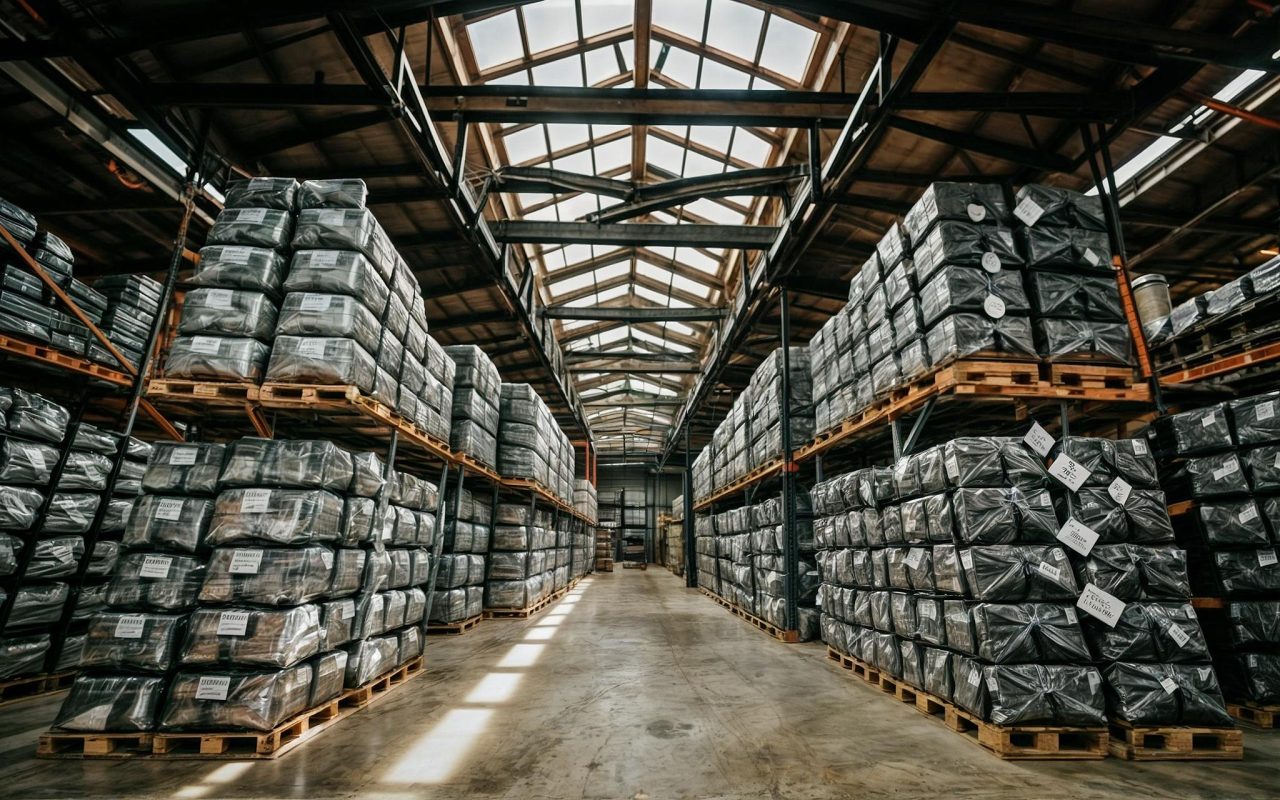
Charcoal products prepared for international export. ALT: Charcoal Shipping Delays – charcoal export warehouse and bulk shipment logistics.
Charcoal Shipping Delays can disrupt inventory planning, increase logistics expenses and affect delivery commitments for international buyers. For businesses importing charcoal from Vietnam and other exporting countries, shipment reliability depends on more than production schedules.
Unlike ordinary cargo, charcoal can present self-heating hazards and is subject to dangerous goods transport requirements. International importers must also consider shipping documentation, customs procedures, vessel availability and port congestion.
Understanding the Causes of Charcoal Shipping Delays helps businesses identify potential problems before they affect commercial orders.
As maritime regulations change in 2026, reviewing Charcoal Shipping Requirements has become particularly important.
Why Do Charcoal Shipments Face Delays?
Charcoal Shipping Problems can arise at different stages of the international supply chain.
A shipment may experience delays before container loading if the carrier has not approved the cargo booking or if the dangerous goods documentation is incomplete.
Other disruptions may occur during customs processing, port operations, transshipment or delivery at the destination.
According to UN Trade and Development (UNCTAD), international maritime transport has experienced disruptions related to vessel rerouting, port congestion and schedule changes. These factors have increased voyage distances and affected supply chain reliability.
For businesses managing Charcoal Shipment Delays, the first priority is identifying which part of the shipment process is affected.
A production delay, carrier rejection and customs hold require different commercial responses.
Updated Dangerous Goods Regulations in 2026
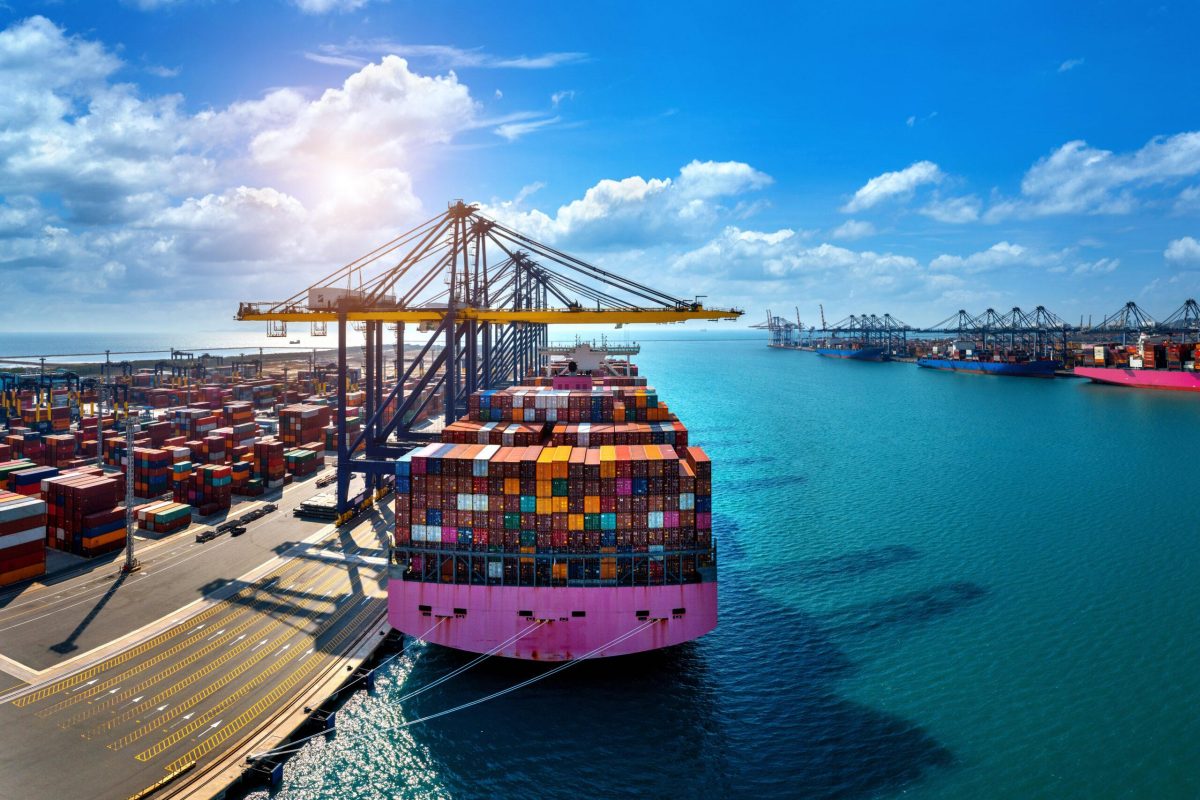
International container shipping operations can be affected by dangerous goods acceptance requirements. ALT: Charcoal Container Shipping – international cargo vessel and port operations.
One of the most important Causes of Charcoal Shipping Delays in 2026 is the implementation of updated international maritime dangerous goods regulations.
The International Maritime Organization (IMO) confirms that Amendment 42-24 to the International Maritime Dangerous Goods (IMDG) Code became mandatory on January 1, 2026.
According to MSC, the amendment removed previous exemptions relevant to charcoal and introduced Special Provision 978, strengthening requirements for documentation, packaging, traceability and safe transport.
The Charcoal Dangerous Goods Regulations identify covered charcoal under:
-
UN Number: UN1361.
-
Proper Shipping Name: CARBON, animal or vegetable origin.
-
Dangerous Goods Class: 4.2 – Substances liable to spontaneous combustion.
-
Special Provision: 978.
Incorrect cargo classification or incomplete documentation may prevent a shipment from being accepted by a shipping line.
This means Charcoal Shipping Delays can occur even when the products are manufactured and ready for dispatch.
Carrier-Specific Requirements Can Affect Shipment Acceptance
International maritime regulations establish mandatory safety requirements, but shipping lines may introduce additional cargo acceptance policies.
In June 2026, Hapag-Lloyd announced updated conditions for UN1361, Class 4.2 charcoal shipments originating in Vietnam.
The carrier requires thermal protection and a container-loading survey report issued by a nominated surveyor, along with the applicable dangerous goods documentation.
These are Hapag-Lloyd-specific requirements, not universal rules imposed by every shipping company.
If exporters or freight forwarders have not confirmed a carrier’s acceptance conditions before booking, additional reviews may affect the proposed departure date.
For importers researching How to Avoid Shipping Delays, advance confirmation of carrier acceptance is an important part of shipment planning.
It also helps distinguish ordinary freight availability from the availability of transport services authorized to carry the particular cargo.
Incomplete Charcoal Export Documentation
Charcoal Export Documentation can be a major source of shipment disruption when commercial and regulatory records are inconsistent.
Common international trade documents include the Commercial Invoice, Packing List and Bill of Lading.
However, charcoal classified under UN1361 also requires appropriate dangerous goods documentation under the applicable IMDG Code provisions.
Hapag-Lloyd explains that the Dangerous Goods Declaration must contain relevant additional information, including the production date, packaging date and material temperature at the time of packaging.
Differences in product descriptions, package information, cargo classification or shipment details may require clarification before the booking is accepted.
Therefore, Charcoal Export Documentation should be reviewed for consistency across the commercial and transport records.
A quality Certificate of Analysis (COA) does not automatically replace a Dangerous Goods Declaration.
Incomplete documentation is one of the Charcoal Shipping Problems that can affect shipment acceptance before the vessel departs.
Charcoal Customs Clearance Delays
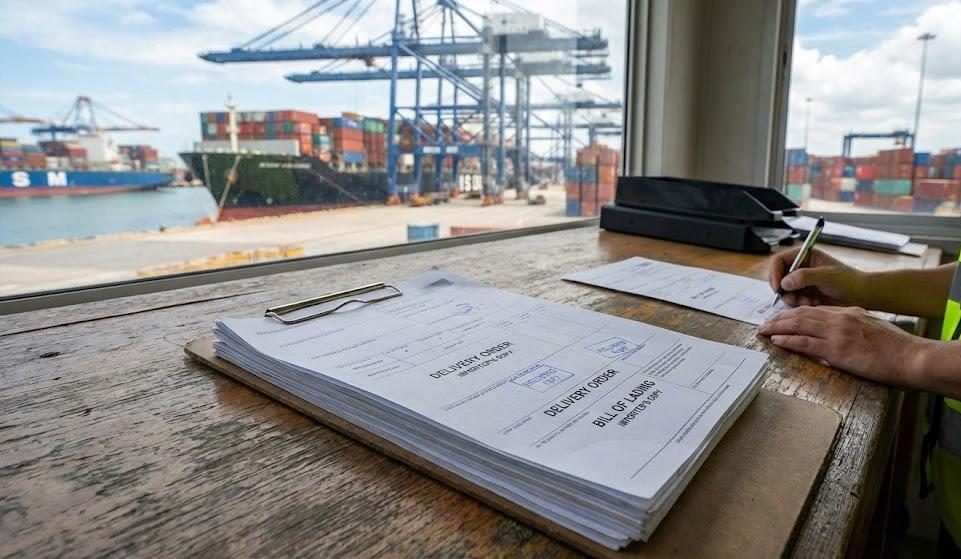
Customs documentation requirements vary between destination markets. ALT: Charcoal Customs Clearance Delays – international import shipping documentation.
Charcoal Customs Clearance Delays may arise when customs authorities require additional information, supporting documents or cargo inspections.
Potential issues include tariff classification, customs valuation, origin verification and differences between declared information and supporting records.
Import requirements vary by destination market.
For example, Singapore Customs requires container and seal information when applying for relevant customs permits for containerized cargo. Other documentation and presentation requirements depend on the clearance circumstances.
This example does not establish a universal procedure for all importing countries.
For businesses experiencing Charcoal Import Delays, it is important to distinguish customs holds from delays involving vessel schedules or shipping line acceptance.
A shipment may reach its destination port on time but remain unavailable for collection until the applicable customs procedures are completed.
Port Congestion and Container Shipping Disruptions
Charcoal Container Shipping is also affected by the wider international freight environment.
Vessel rerouting, port congestion, transshipment arrangements and service changes can influence cargo arrival times.
The UNCTAD Review of Maritime Transport 2025 identifies disrupted shipping routes, longer voyages and increased pressure on port operations as major factors affecting the reliability of international maritime transport.
A container may arrive late at a transshipment port and miss its planned connection, extending the overall journey.
These disruptions are not unique to charcoal.
However, shipments subject to dangerous goods acceptance policies may have fewer suitable transport options, depending on the carrier and service.
Therefore, importers should recognize that an estimated time of arrival (ETA) is a planning estimate rather than a guaranteed delivery date.
Monitoring Charcoal Shipment Delays requires reviewing the cargo’s actual transport status, not only the original booking schedule.
How to Avoid Shipping Delays in Charcoal Imports
For international importers, How to Avoid Shipping Delays involves coordinated commercial and logistics planning.
Several considerations can help businesses assess potential risks:
-
Confirm the product description and applicable dangerous goods classification.
-
Review Charcoal Shipping Requirements for the intended carrier and route.
-
Check Charcoal Export Documentation for consistency before submission deadlines.
-
Clarify the responsibilities of exporters, freight forwarders and importers.
-
Monitor vessel schedules, transshipment connections and updated arrival estimates.
-
Consider inventory requirements and reasonable delivery contingencies.
These measures cannot eliminate every cause of Charcoal Shipping Delays, particularly disruptions outside the parties’ control.
However, they may reduce uncertainty and help businesses respond earlier when transport arrangements change.
Compliance with Charcoal Dangerous Goods Regulations should be handled with qualified logistics and dangerous goods professionals.
Why Supplier Communication Matters
Supplier communication can influence how effectively buyers respond to Charcoal Import Delays.
Completing production does not necessarily mean the cargo has been accepted by a carrier, loaded into a container or placed on board a vessel.
International buyers should distinguish between confirmed production completion, cargo inspection, booking acceptance, vessel loading and arrival at the destination.
These milestones provide different information about shipment progress.
Vietargo operates in Vietnam’s charcoal export industry. As with any other exporter, buyers should evaluate shipment reliability using product-specific documentation, verified logistics arrangements and actual delivery information.
Clear communication about shipment milestones makes it easier to identify the Causes of Charcoal Shipping Delays and assess the impact on distribution schedules.
How Shipping Delays Affect Import Costs
Beyond delivery schedules, Charcoal Shipping Delays can influence the total cost of importing goods.
Depending on the circumstances and contractual responsibilities, delays may contribute to additional storage charges, port-related expenses, inventory shortages or changes in distribution plans.
Dangerous goods compliance may also affect transport quotations and carrier charges.
However, these expenses vary according to the shipment, shipping line, destination and applicable commercial terms.
Importers should avoid assuming that a single surcharge or delay estimate applies to every charcoal transaction.
For businesses evaluating How to Avoid Shipping Delays, cost planning should consider both the original freight quotation and the possibility of changes during transportation.
Conclusion
Charcoal Shipping Delays can result from dangerous goods regulations, carrier acceptance policies, incomplete documentation, customs inspections, port congestion and changes in vessel schedules.
In 2026, the updated IMDG Code has made Charcoal Shipping Requirements particularly important for international charcoal trade.
Understanding Charcoal Shipping Problems and the specific causes of delays helps importers make more informed purchasing and logistics decisions.
Effective preparation depends on accurate documents, confirmed carrier acceptance, transparent shipment communication and realistic delivery planning—not simply choosing the earliest advertised departure date.
Sources & References
VIETARGO – THE BEST CHARCOAL OF THE WORLD TO YOUR SHELF
Website : https://vietargo.com/
Facebook : Vietargo
địa chỉ : 10 Nguyen Hien Street, 91B Residential Area, Can Tho, Vietnam
☎: 0939364888