

Why Does Your Charcoal Sample Look Different from the Bulk Shipment?
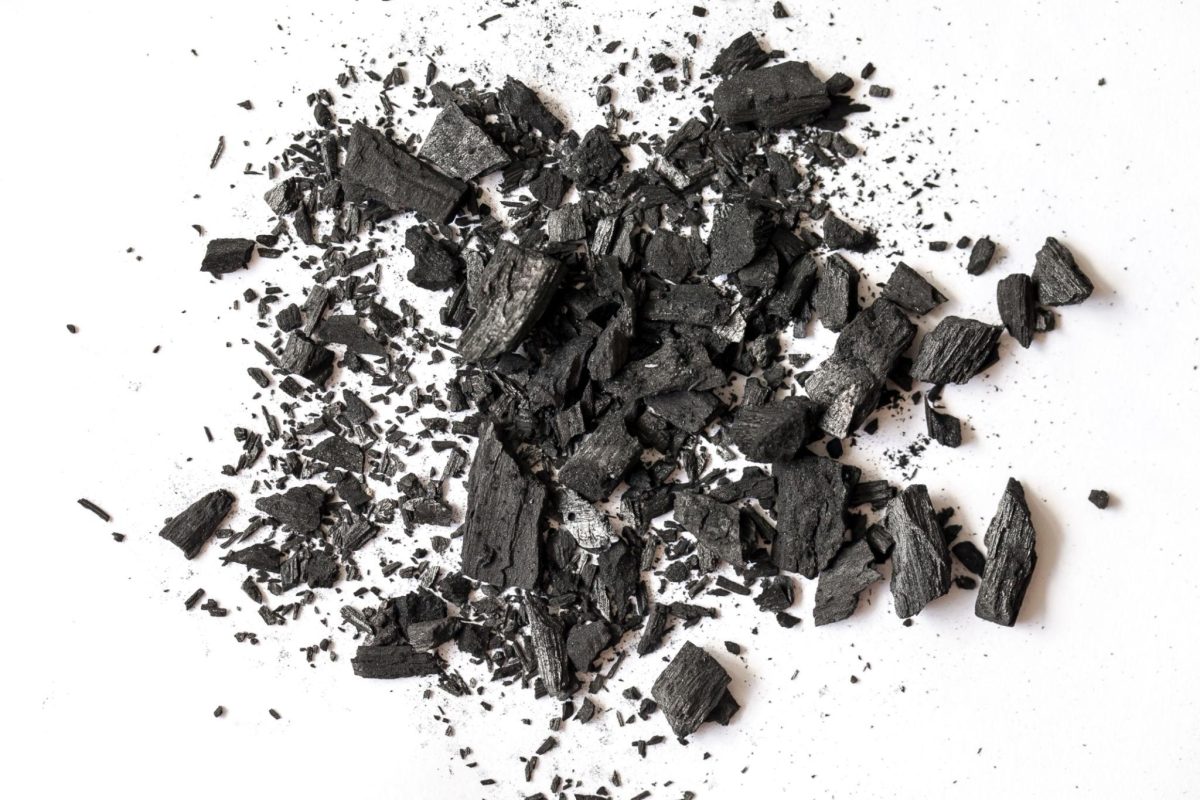
The charcoal sample looked perfect. Large pieces, consistent shapes and almost no broken material. The importer approved it and placed a bulk order.
But when the container arrived, the charcoal looked different.
Some pieces were smaller, the shapes were less consistent and several bags contained more fragments than expected.
Does this mean the supplier delivered lower-quality charcoal?
Not necessarily.
For international importers, Charcoal Quality Consistency is not about making every piece of charcoal look identical. It is about ensuring the delivered product meets clearly defined and agreed specifications.
Differences between an approved sample and a commercial shipment can result from several factors: unrepresentative samples, natural material variation, production differences, sorting practices and transportation damage.
Sometimes the differences fall within acceptable commercial tolerances. In other situations, they reveal a genuine product conformity problem.
Understanding what happened—and how to verify it—is essential for businesses purchasing charcoal in large quantities.
This guide follows the journey from sample approval to bulk delivery, examining where variations can occur and how buyers can reduce future disputes.
The Real Problem: A Beautiful Sample Is Not Always a Representative Sample
Imagine an importer requesting a 5kg charcoal sample before ordering a full container.
The supplier selects several attractive pieces that demonstrate the intended grade. The buyer receives the package, examines its appearance and approves the order.
However, the sample may not represent the full range of material that will be included in commercial production.
Natural charcoal is not a perfectly uniform manufactured product. A large shipment can contain different lengths, diameters, surfaces and levels of physical breakage.
If the original sample was selected primarily for appearance, it may show the best pieces rather than the distribution expected across an entire lot.
This creates an important distinction in Charcoal Sample vs Bulk Order comparisons.
A presentation sample demonstrates what a product can look like. A representative sample is intended to provide reliable information about a defined quantity of goods.
Neither should be confused with a contractual guarantee unless the agreement specifies what the sample represents.
The key question for buyers is therefore:
Was the original charcoal sample representative of the material being purchased, or was it only a visual reference?
Without a clear answer, disagreements become more likely.
Following the Charcoal: Where Quality Differences Can Appear
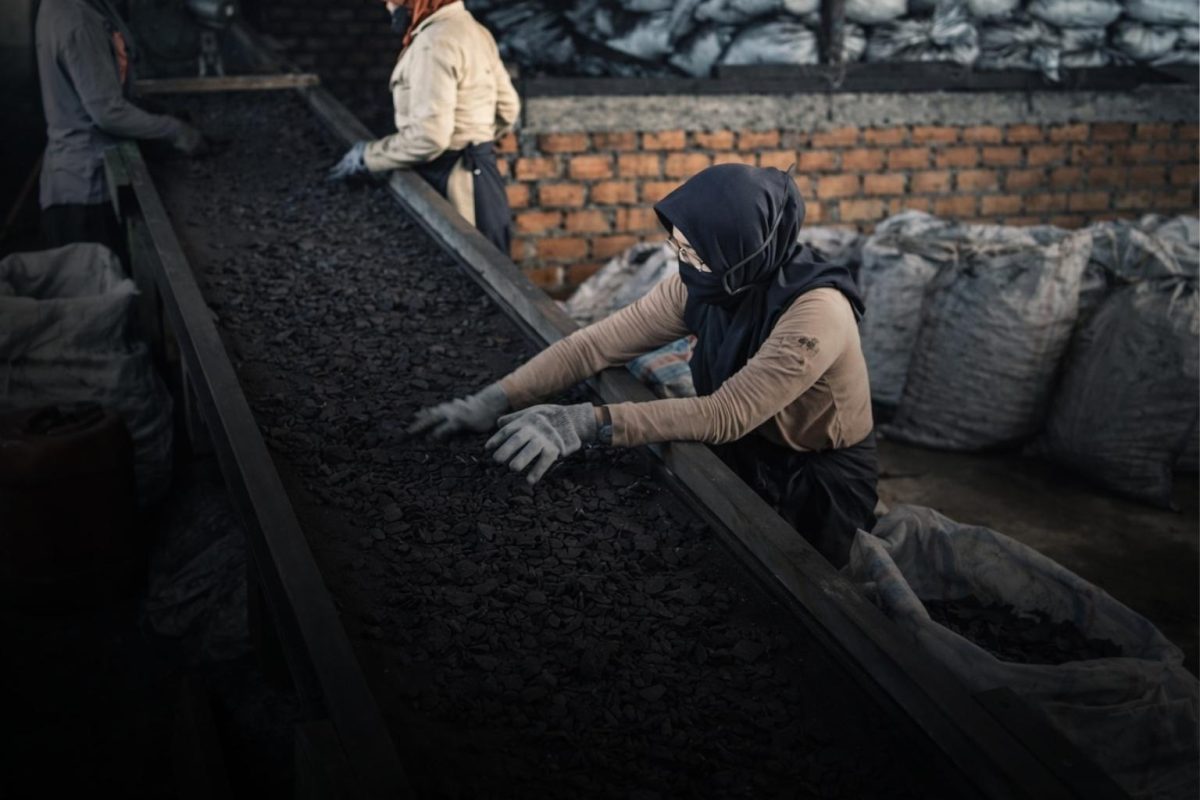
To understand Charcoal Quality Differences, buyers should examine the stages between sample approval and receiving the shipment.
Stage 1: Raw Material and Production
Natural wood materials vary in density, structure and dimensions.
Different production batches may therefore produce charcoal with varying physical characteristics.
Carbonization conditions can also affect the resulting fuel properties.
The Food and Agriculture Organization (FAO) explains that charcoal quality varies with fixed carbon content and that different production characteristics can influence the finished material.
These differences do not automatically indicate a defect.
The relevant question is whether the finished product satisfies the agreed specifications.
Stage 2: Commercial Sorting
Charcoal may be separated according to size, shape or commercial grade.
If buyers and suppliers have different understandings of a grade, the delivered product may not match expectations.
For example, “large charcoal” does not provide a precise size measurement.
A buyer may expect long pieces, while the supplier may classify shorter pieces within its own large-size category.
Unless the parties agree on measurable dimensions and tolerances, both interpretations may remain ambiguous.
Stage 3: Packaging and Handling
Charcoal is relatively fragile.
It can fracture when subjected to handling during packaging and distribution.
The FAO identifies the creation of small fragments, often called fines, as a characteristic problem during charcoal transportation.
Therefore, a shipment can contain more broken material upon arrival than it did immediately after sorting.
The cause and commercial responsibility depend on the available evidence and contract terms.
Five Warning Signs Buyers Should Investigate
A different-looking shipment does not always mean poor quality. However, certain discrepancies deserve closer examination.
1. Significant changes in piece size: The shipment contains substantially more short or undersized material than the agreed distribution permits.
2. Excessive fragments and fines :Broken pieces exceed the contractual tolerance or make the product less suitable for its intended commercial use.
3. Unexpected moisture results :A representative test indicates that moisture content exceeds the agreed limit.
4. Different laboratory values :Appropriate testing shows material deviations in ash, volatile matter or fixed carbon compared with the purchasing specification.
5. Unclear product or batch identification :The commercial shipment cannot be reliably connected to the product specifications and records used during approval.
These warning signs should trigger verification rather than an immediate conclusion about supplier misconduct.
A Closer Look at Charcoal Size Differences
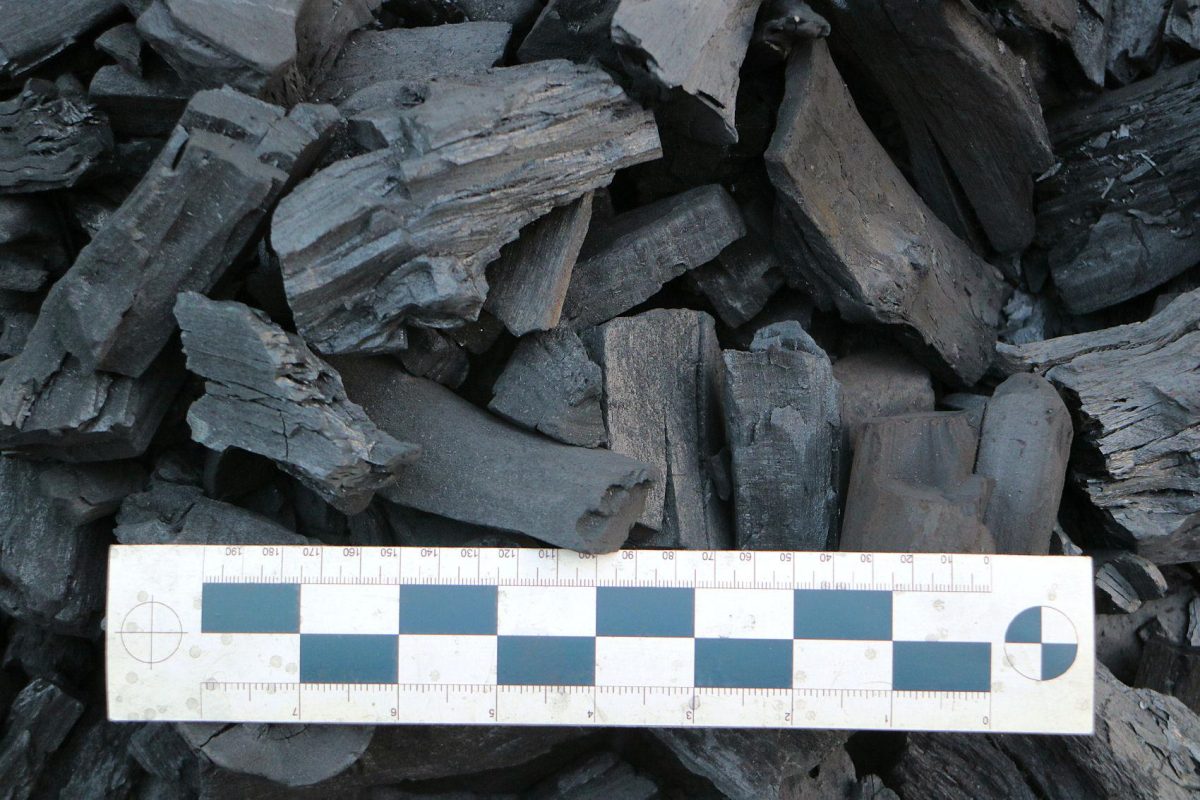
Size variation is one of the most visible issues in Charcoal Shipment Quality.
Suppose an importer purchases hardwood charcoal under a commercial specification requiring most pieces to fall within a defined size range.
The shipment arrives with a mix of large, medium and small pieces.
This does not automatically mean that it fails inspection.
The result depends on how the agreement defines acceptable size distribution.
A useful specification may establish the target dimensions, acceptable proportions outside the target range and the method used to measure material.
Importers should also distinguish between naturally small pieces and pieces that became smaller after breaking.
These may look similar, but their causes and contractual treatment can differ.
Photographs can document visible characteristics, although they cannot establish the percentage of undersized material throughout a shipment.
That requires an appropriate sampling and measurement process.
Why Correct Net Weight Does Not Guarantee Consistent Quality
A shipment can meet its declared net weight and still contain more broken charcoal than expected.
Consider a hypothetical order of 10 metric tons.
The importer receives the contracted quantity, but a larger-than-expected proportion consists of fragments below the accepted commercial size.
The total weight may be correct even though the product no longer satisfies the agreed physical specification.
This is an important issue for Bulk Charcoal Quality Control.
A restaurant supplier may need specific charcoal sizes for customers, while a distributor selling larger natural pieces may assign less commercial value to smaller fragments.
The actual financial impact depends on the buyer’s market and whether smaller material can still be sold.
Therefore, weight verification and size inspection are different activities.
Both may be necessary to determine whether a shipment meets the contract.
What Charcoal Sample Testing Can—and Cannot—Tell You
Charcoal Sample Testing provides important technical information, but buyers need to understand its limitations.
The current ASTM D1762-84(2026) standard covers laboratory determination of moisture, volatile matter and ash in wood charcoal, including lump charcoal and briquettes.
These measurements can help evaluate the characteristics of the tested material.
However, a test result applies to the sample examined under the stated method.
It does not automatically establish the condition of every bag or prove that a later shipment is identical.
For example, a sample may meet an agreed ash limit while a separate shipment contains a different proportion of undersized charcoal.
Both observations can be correct because chemical quality and physical size distribution are different measurements.
For meaningful comparisons, buyers should confirm the test method, reporting basis, sample identification and relationship between the sample and the commercial lot.
A laboratory certificate without clear sample identification may provide less assurance than buyers expect.
Charcoal Pre-Shipment Inspection: What Does It Actually Verify?
A Charcoal Pre-Shipment Inspection can establish evidence about the cargo before dispatch.
However, its value depends on the scope of inspection.
An inspection that only counts bags cannot confirm fixed carbon content.
A visual examination cannot independently verify moisture or ash limits.
Similarly, inspecting a few conveniently accessible bags may not represent the contents of an entire lot.
One recognized framework for acceptance sampling is ISO 2859-1:2026, which defines sampling schemes for inspection by attributes.
Its application requires an appropriate inspection plan and defined criteria. It should not be treated as an automatic standard for all charcoal testing.
For charcoal purchasing, importers may need separate procedures for physical defects, size distribution and laboratory properties.
The parties should agree on what will be inspected, when it will be inspected and what constitutes acceptance.
Pre-shipment inspection provides evidence of condition at the inspection point. It does not guarantee that no physical changes will occur during transportation.
How to Investigate a Suspected Shipment Quality Problem
When buyers discover a discrepancy, a structured investigation is more useful than immediately blaming the supplier.
The following example illustrates the difference between observations and evidence.
| Observation | Possible explanation | Evidence to review |
|---|---|---|
| More short pieces | Sorting variation or breakage | Size distribution, inspection records |
| More fines | Handling, transport or initial packing condition | Contract tolerance, before/after records |
| Different appearance | Natural material or batch variation | Product identity, lot records, specifications |
| Moisture above limit | Production, storage or exposure conditions | Representative test results |
| Different chemical values | Batch variation or sampling differences | Laboratory method and sample identity |
| Inconsistent packaging | Packing or artwork variation | Approved packaging specifications |
A buyer should first identify exactly what appears different.
Next, the relevant contract and sample-approval records should be reviewed.
If testing or inspection is needed, the methods and sample selection should be appropriate to the disputed characteristic.
Commercial notification deadlines, carrier procedures and insurance requirements should also be respected where relevant.
This approach helps distinguish Charcoal Supplier Quality Issues from damage or variation that may have occurred elsewhere in the supply chain.
Building Charcoal Batch Consistency Across Repeat Orders
For importers buying regularly, Charcoal Batch Consistency becomes a long-term purchasing objective.
A consistent product is one that repeatedly satisfies agreed commercial requirements, even when minor natural variations exist.
The importer should maintain an approved specification rather than relying entirely on an attractive first sample.
Records connecting product approvals, relevant laboratory reports and commercial shipment references can help identify changes between orders.
Where available, lot identification can make investigations more efficient.
If a supplier proposes a different raw material, size distribution or packaging arrangement, the potential impact should be reviewed before the order is changed.
However, buyers should verify which quality-control and traceability procedures a supplier actually operates.
A professional supplier relationship benefits from documented expectations and transparent communication.
It should not depend on unsupported claims that every shipment will look exactly the same.
Three Questions Worth Asking Before Your Next Order
For charcoal importers and purchasing teams
1. Does our approved sample represent the commercial shipment, or is it only a presentation sample?
2. Have we defined acceptable sizes, broken pieces and technical quality limits in the purchase agreement?
3. Do we know how the shipment will be inspected and how discrepancies will be documented?
If any answer is unclear, the purchasing specifications may need further review before the order is confirmed.
These questions are more practical than requesting a generic promise of “100% identical quality.”
Vietargo and International Charcoal Quality Requirements
Vietargo operates in Vietnam’s charcoal export sector.
For international buyers evaluating charcoal from Vietargo, clear purchasing specifications can help establish the intended product characteristics before a commercial order.
Relevant information may include charcoal type, dimensions, quality parameters, packaging, order quantity and intended destination.
Buyers can also discuss the availability of product samples, testing documentation and inspection arrangements.
Specific capabilities, quality-control systems and product specifications should be confirmed directly for the proposed transaction.
No general article can establish that every product offered by a supplier follows the same production or inspection procedure.
Conclusion: Consistency Is About Specifications, Not Identical Appearance
Charcoal Quality Consistency is a critical part of international charcoal purchasing, but it should not be confused with perfect visual uniformity.
Natural differences, sample selection, sorting practices and transportation can affect the appearance of charcoal between sample approval and bulk delivery.
Some differences may be acceptable. Others may indicate that the shipment does not meet the agreed requirements.
For importers, the most effective approach is to establish measurable specifications, use representative samples and define appropriate inspection criteria.
A reliable charcoal purchasing process does not promise that every piece will look identical. It ensures that the commercial shipment can be evaluated fairly against the product the buyer agreed to purchase.
VIETARGO – THE BEST CHARCOAL OF THE WORLD TO YOUR SHELF
Website : https://vietargo.com/
Facebook : Vietargo
địa chỉ : 10 Nguyen Hien Street, 91B Residential Area, Can Tho, Vietnam
☎: 0939364888