

Winter Inventory Planning: What Charcoal Buyers Should Consider for 2027
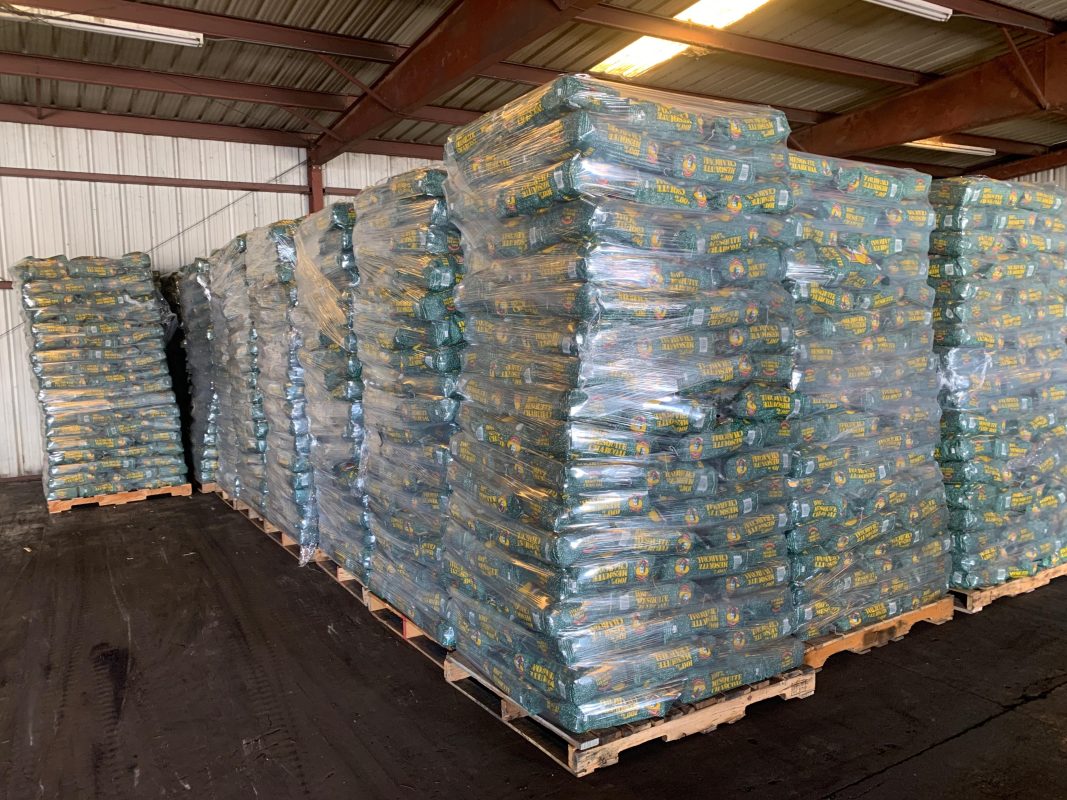
Real photograph: Wholesale mesquite charcoal inventory stored at Viva Pancho’s warehouse. Image source: Viva Pancho Charcoal. ALT: Charcoal Inventory Planning – wholesale charcoal stock for seasonal distribution.
Charcoal Inventory Planning is an important part of procurement management for international charcoal importers, wholesale distributors and businesses supplying barbecue fuel.
As 2026 approaches its final months, buyers need to evaluate how much charcoal to hold, when to replenish stock and how to prepare purchasing schedules for early 2027.
However, winter does not affect every charcoal market in the same way.
In some European markets, outdoor barbecue sales are concentrated in warmer months. Winter may therefore be a period for preparing the next selling season rather than responding to increased household grilling demand.
In other markets, year-round restaurant operations, commercial grilling and regional purchasing patterns may create different inventory requirements.
This means that Winter Charcoal Demand should never be treated as a universal increase or decrease across all countries.
For businesses sourcing charcoal internationally, inventory decisions must also account for production schedules, ocean freight reliability, customs procedures and warehouse availability.
An unexpected delay can affect product availability even when the supplier completes production on schedule.
This guide examines Charcoal Inventory Management, demand forecasting, safety stock and replenishment planning to help buyers prepare for winter 2026 and the 2027 trading year.
Why Charcoal Inventory Planning Matters Before 2027
Charcoal Inventory Planning helps buyers balance two competing commercial risks: holding too much stock and running out of inventory.
Excess inventory ties up working capital, occupies warehouse space and may increase storage expenses.
Insufficient inventory can result in missed wholesale orders, delayed customer deliveries and lost sales opportunities.
For businesses importing charcoal from overseas, this balance becomes more complicated because replenishment involves several stages.
The time between placing an order and receiving saleable inventory may include production, export documentation, shipping, customs clearance and inland delivery.
Consequently, buyers cannot always replenish imported charcoal as quickly as products purchased from a nearby distributor.
The Food and Agriculture Organization (FAO) recognizes the importance of stockholding in charcoal distribution, particularly when production and demand vary throughout the year.
For importers, the objective is not to maintain the largest possible stockpile.
It is to maintain enough suitable inventory to meet expected demand while managing costs and uncertainty.
A structured plan should connect the sales forecast, available inventory, confirmed incoming shipments and the time required to replace stock.
Winter Charcoal Demand: Why Regional Markets Behave Differently
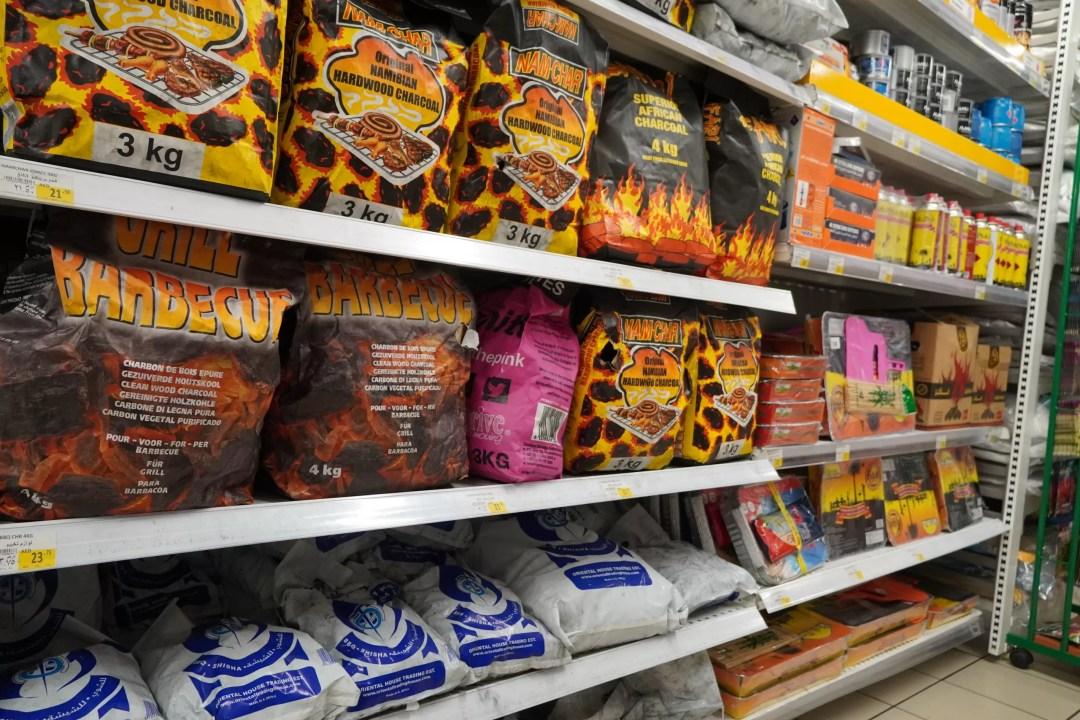
Winter Charcoal Demand depends on local market conditions, customer segments and the intended use of charcoal.
In many temperate European markets, household outdoor barbecue purchases tend to be concentrated around warmer weather and major outdoor cooking periods.
This creates a distinction between the selling season and the buying season.
A European importer may negotiate supply and build inventory during late autumn or winter to prepare for spring 2027.
Therefore, a winter purchasing order does not necessarily indicate strong winter retail consumption.
A charcoal trade market analysis published in 2026 describes European barbecue demand as highly seasonal, with retail sales concentrated primarily between April and August in several markets. The report also discusses advance purchasing ahead of the spring season.
However, this pattern should not be applied automatically to every European country or customer.
Foodservice buyers may operate throughout the year, while winter weather, local holidays and outdoor cooking traditions can influence purchasing differently across regions.
For importers, Seasonal Charcoal Demand should be assessed separately for retail consumers, restaurants and wholesale distribution.
Each segment may require a different ordering calendar.
Charcoal Demand Forecast 2027: Start With Your Own Sales Data
A reliable Charcoal Demand Forecast 2027 should begin with the buyer’s historical sales rather than broad assumptions about global market growth.
The most useful information may include previous monthly sales, customer reorder frequency, product categories and actual stockout periods.
Buyers should also identify unusual events that affected earlier results.
For example, a large promotional order in one month should not automatically be treated as normal demand.
Likewise, low recorded sales during a stock shortage may underestimate actual customer demand because the business could not fulfill every order.
A distributor might compare monthly sales from 2024, 2025 and 2026 to identify recurring patterns.
However, recent changes in customer accounts, retail distribution or product pricing should also be considered.
The forecast should distinguish natural lump charcoal, mangrove charcoal, coconut shell briquettes and other product categories.
Different charcoal products may serve different customers and therefore follow different purchasing cycles.
Charcoal Demand Forecast 2027 is most useful when forecasts are created at the product or SKU level rather than using one growth assumption for the entire inventory.
A forecast remains an estimate, not a guarantee. It should be updated as actual orders and market conditions change.
Charcoal Stock Planning: How Much Inventory Is Enough?
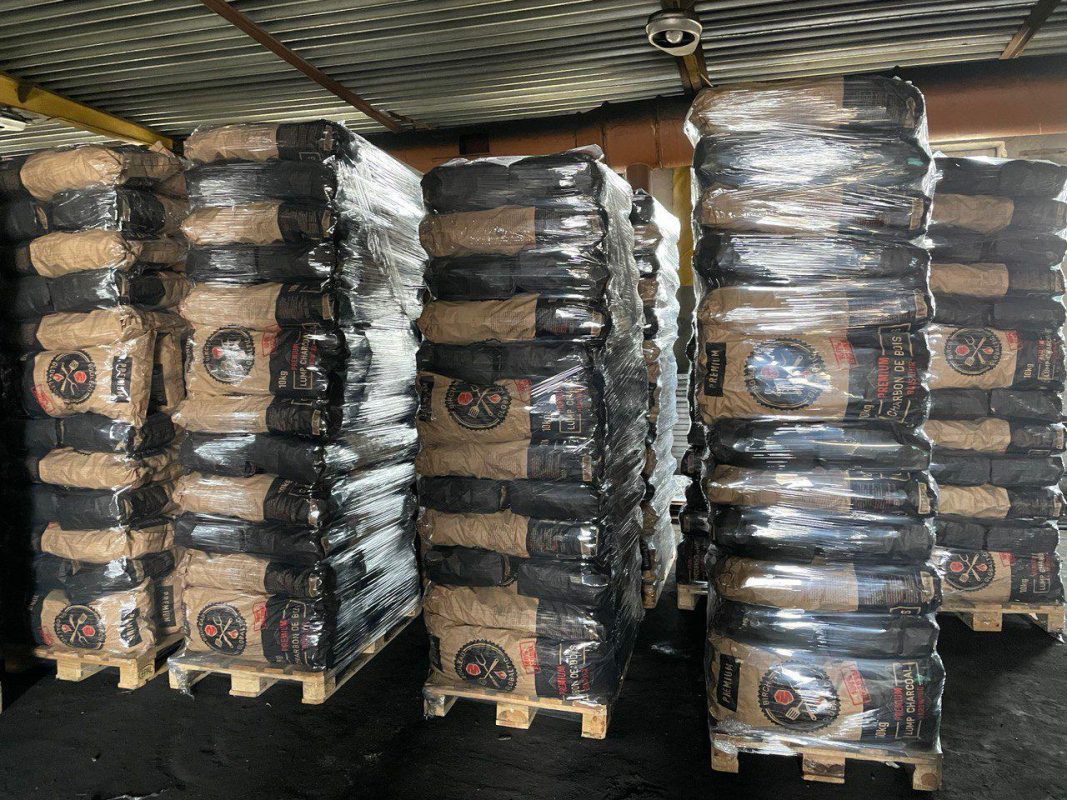
Charcoal Stock Planning can use a reorder-point approach to identify when replenishment should be initiated.
A common inventory formula is:
Reorder Point =Expected Demand During Lead Time+Safety Stock
Oracle’s inventory documentation describes reorder-point planning as combining forecast demand during replenishment lead time with a safety-stock allowance.
Consider a hypothetical charcoal distributor selling an average of 300 bags per week.
If its complete replenishment lead time is eight weeks, expected demand during that period is 2,400 bags.
If the business maintains an additional buffer of 600 bags, the reorder point would be:
This means the distributor would consider replenishment when its inventory position reaches approximately 3,000 bags, assuming the forecast and lead-time estimates remain appropriate.
An inventory position should consider stock on hand, confirmed incoming orders and outstanding customer commitments rather than physical warehouse stock alone.
These figures are illustrative and do not represent actual Vietargo order quantities, customer demand or delivery lead times.
In strongly seasonal markets, a fixed average may be insufficient.
The reorder point should reflect expected demand during the actual lead-time period, especially when orders are placed before a seasonal sales increase.
Safety Stock: Preparing for a Charcoal Stock Shortage
Safety stock is additional inventory held to reduce the impact of uncertain demand or supply delays.
For businesses importing charcoal, unexpected changes can affect both the quantity of stock required and the time available for replenishment.
A Charcoal Stock Shortage may occur when sales exceed forecasts, a supplier experiences delays, or a shipment arrives later than expected.
Safety stock provides a buffer, but the appropriate level should depend on actual demand variability and replenishment performance.
Oracle NetSuite explains that safety-stock calculations can account for variations in daily demand and supplier lead time. It also cautions that some statistical models are less accurate when demand is strongly seasonal or irregular.
This is particularly relevant to BBQ charcoal.
For example, a business preparing for spring sales may need to assess a different demand scenario from one serving restaurants throughout the year.
Safety stock should also be adjusted when supplier conditions change.
Holding excessive inventory is not automatically safer from a financial or operational perspective.
The objective is to find a level that supports an acceptable customer service rate without creating unnecessary storage and working-capital costs.
Charcoal Import Lead Time: Understanding the Complete Timeline
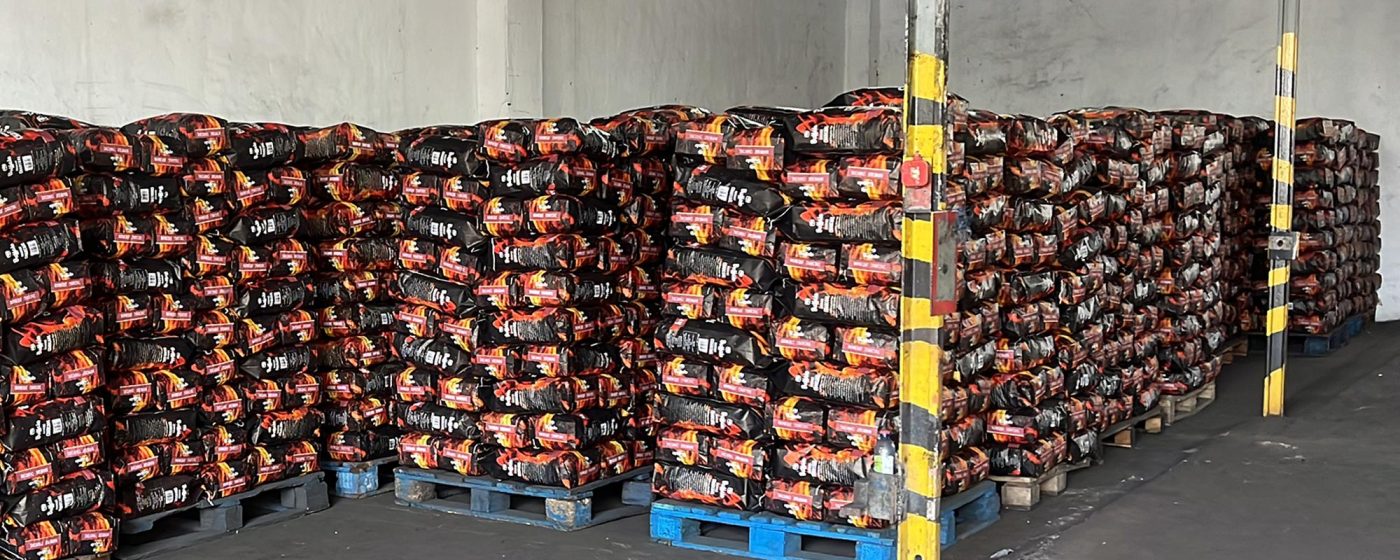
Charcoal Import Lead Time includes more than the ocean transit time quoted by a shipping line.
The complete replenishment period may involve purchase-order approval, production scheduling, product preparation, documentation, shipping, customs and warehouse receipt.
For 2027 planning, buyers should use shipment records to estimate how long these stages typically take.
Current maritime data demonstrates why transportation uncertainty matters.
According to Sea-Intelligence, global container vessel schedule reliability reached 50.6% in September 2026, while the average delay among late vessel arrivals was 6.65 days. These figures were published on October 28, 2026.
The figures represent global container services rather than a charcoal-specific route or a confirmed Vietnam export lead time.
Nevertheless, they illustrate why importers should not treat scheduled vessel arrival dates as guaranteed warehouse availability dates.
Drewry’s November 2026 market assessment also identifies weak schedule reliability and continuing operational challenges.
For Charcoal Supply Planning, importers should distinguish confirmed supplier readiness, planned vessel departure, estimated port arrival and final warehouse receipt.
This produces a more realistic timeline than using ocean transit alone.
Bulk Charcoal Orders: Balancing Purchasing Volume and Flexibility
Bulk Charcoal Orders can offer commercial advantages when buyers have predictable demand and sufficient storage capacity.
Larger orders may reduce purchasing frequency and allow importers to consolidate procurement.
However, they also increase financial exposure if customer demand is weaker than forecast.
A business ordering a full container of charcoal should evaluate the quantity expected to sell before the next replenishment opportunity.
Product mix is another important factor.
For example, a distributor may sell hardwood lump charcoal quickly while a specialized briquette product moves more slowly.
Ordering equal quantities of both products could lead to excess inventory of one SKU and shortages of another.
A practical purchasing strategy connects each product to its own sales forecast.
Importers should also compare purchase quantities with supplier minimum order requirements and available shipping arrangements.
The best order size is not necessarily the largest quantity a supplier can offer.
It is the quantity that supports expected sales while keeping inventory and distribution costs manageable.
Charcoal Inventory Management: Storage and Product Condition
Effective Charcoal Inventory Management also requires attention to the physical condition of stored products.
Charcoal can absorb moisture from its environment, while natural charcoal pieces may break during repeated handling.
FAO notes that moisture exposure can reduce charcoal’s useful heating value and that physical breakage can create additional fines during distribution.
For importers, inventory records should distinguish quantities from product condition.
A warehouse may report sufficient total charcoal stock while some packages no longer meet the intended commercial specification.
However, storage planning must also consider safety.
Charcoal is subject to self-heating hazards, and stored shipments must be managed in accordance with applicable fire-safety, packaging and dangerous-goods requirements.
Hapag-Lloyd confirms that charcoal is classified as UN1361, Class 4.2 under the updated IMDG framework, with mandatory global application from January 1, 2026.
Inventory procedures should therefore be reviewed by qualified warehouse and safety personnel.
Commercial stock planning should never override applicable requirements for safe charcoal handling and storage.
Seasonal Charcoal Demand: Comparing Three Buyer Segments
Different customers create different inventory patterns.
| Buyer segment | Main planning consideration | Potential 2027 priority |
|---|---|---|
| European BBQ retailers | Seasonal household purchasing | Prepare inventory ahead of spring |
| Restaurant suppliers | Recurring commercial consumption | Maintain reliable replenishment |
| Wholesale importers | Mixed customers and order volumes | Forecast demand by product and customer |
Illustrative segmentation, not a measured forecast of 2027 charcoal demand.
For European retail businesses, winter may be a procurement and preparation period before the primary outdoor grilling season.
For foodservice distributors, Winter Charcoal Supply requirements may reflect continuing restaurant orders rather than household BBQ demand.
For wholesalers selling to multiple customer categories, forecasting may require separate plans for each segment.
A combined sales forecast can hide these differences.
The more useful approach is to identify which customers purchase charcoal, when they place orders and how predictable those orders have been historically.
This allows importers to adjust inventory strategies without assuming that winter creates identical purchasing conditions in every market.
A Practical 2027 Charcoal Inventory Planning Calendar
The following calendar is a suggested planning framework for importers preparing in November 2026.
It is not a prediction of actual demand or a confirmed supplier production schedule.
| Period | Recommended planning focus |
|---|---|
| November 2026 | Review 2026 sales, existing inventory and customer forecasts |
| December 2026 | Confirm product mix, purchasing budgets and supplier requirements |
| January 2027 | Review replenishment schedules and confirmed incoming shipments |
| February–March 2027 | Reassess available stock against expected spring demand |
| April–June 2027 | Track actual sales and adjust further orders |
| July–September 2027 | Review seasonal performance and slow-moving inventory |
| October–December 2027 | Prepare the following annual purchasing cycle |
The timing should be adjusted according to the destination country and customer segment.
For buyers operating in the Southern Hemisphere or serving year-round foodservice customers, the relevant seasonal calendar may look substantially different.
Charcoal Inventory Planning should remain flexible rather than follow a fixed international schedule.
Working With Charcoal Suppliers for 2027 Orders
Reliable Charcoal Supply Planning requires clear communication between importers and exporters.
Before confirming orders, buyers should provide information about the product category, specifications, estimated quantity, packaging and intended destination.
They should also distinguish confirmed purchase orders from preliminary demand forecasts.
For suppliers, a forecast may help discussions about capacity, but it should not be treated as a binding order unless the parties agree.
Importers can request information about order preparation, sample approval and the documentation needed for shipping.
Vietargo operates in Vietnam’s charcoal export industry. Buyers considering products from Vietargo can discuss their intended charcoal categories and purchasing requirements through a formal inquiry.
However, specific production capacity, minimum order quantities, stock availability and delivery periods must be confirmed directly.
No general market article can establish those commercial commitments for a particular supplier.
Five Common Charcoal Stock Planning Mistakes
A common mistake is treating every charcoal product as though it has the same demand pattern.
Another is using a shipping company’s estimated sea transit time as the complete import lead time.
Buyers may also overlook stock already committed to customers, resulting in an inaccurate view of inventory available for sale.
A fourth mistake is increasing purchasing quantities without evaluating warehouse capacity and working-capital requirements.
Finally, some importers assume that last year’s sales will repeat exactly.
Historical data is useful, but forecasts should account for changes in customers, product mix, market conditions and supplier reliability.
Avoiding these errors can improve Charcoal Stock Planning without requiring businesses to predict every market movement accurately.
Conclusion
Charcoal Inventory Planning is an essential part of preparing for winter 2026 and the 2027 trading year.
However, Winter Charcoal Demand differs across regions and customer categories. A winter purchasing period may reflect preparation for future sales rather than stronger immediate consumer demand.
Importers should evaluate historical sales, stock availability, safety stock, supplier lead times and logistics uncertainty before confirming Bulk Charcoal Orders.
Effective Charcoal Inventory Management also requires attention to product condition, warehouse costs and applicable safety requirements.
For businesses importing charcoal from Vietnam, the strongest approach is to connect purchasing schedules with realistic replenishment timelines and customer-specific demand forecasts.
The goal is not to hold the maximum amount of charcoal. It is to have the right product, in the right quantity, available when customers need it—without creating unnecessary stock and financial risk.
VIETARGO – THE BEST CHARCOAL OF THE WORLD TO YOUR SHELF
Website : https://vietargo.com/
Facebook : Vietargo
địa chỉ : 10 Nguyen Hien Street, 91B Residential Area, Can Tho, Vietnam
☎: 0939364888