

Charcoal Transport Safety: Understanding Self-Heating and Shipping Requirements
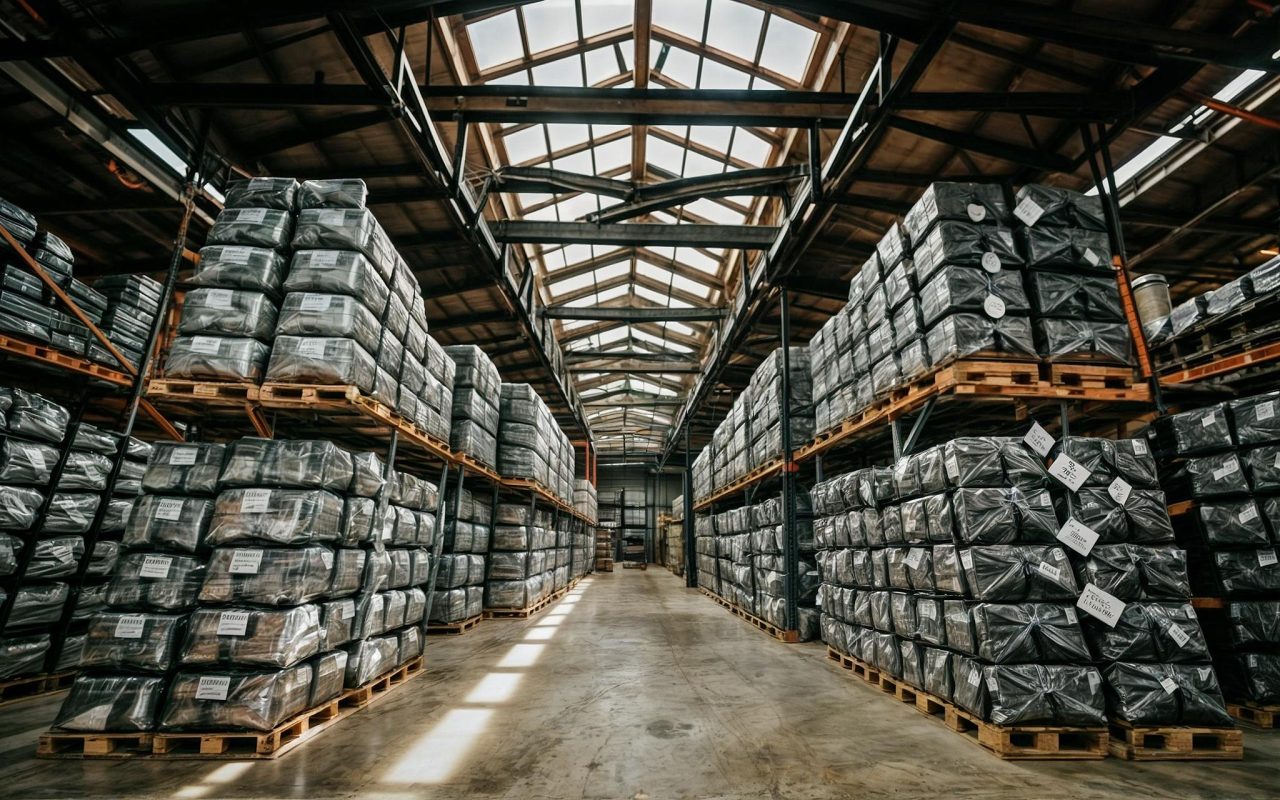
Charcoal Shipping Safety has become an increasingly important concern for international charcoal importers, exporters and freight operators. As maritime regulations change in 2026, businesses need to understand why charcoal is treated as dangerous cargo and how transport requirements affect commercial shipments.
Although charcoal is widely used for barbecue, restaurants and industrial applications, its physical and chemical properties can create hazards during transportation.
One of the main concerns is Charcoal Self Heating, a process in which heat develops within the material without an external flame.
Understanding Charcoal Shipping Requirements, dangerous goods classification and relevant transport documents helps businesses evaluate compliance risks and plan more reliable international shipments.
Why Is Charcoal Shipping Safety Important?
Charcoal is not treated like ordinary non-hazardous cargo under the current international maritime framework.
Its ability to generate heat internally creates a potential fire hazard, especially during long shipping journeys.
The World Shipping Council identifies the risk of self-heating and spontaneous combustion as a major reason behind stricter international rules for charcoal transportation.
For importers, Charcoal Shipping Safety involves more than ensuring that products meet commercial specifications.
It also requires accurate dangerous goods classification, suitable transport arrangements, reliable documentation and compliance with carrier acceptance policies.
Failing to address these issues can expose shipments to booking rejection, additional costs and potentially serious safety incidents.
What Is Charcoal Self Heating?
Charcoal Self Heating refers to the development and accumulation of heat within charcoal through exothermic chemical reactions.
Charcoal is produced by carbonizing organic material under conditions with limited oxygen.
After production, carbonaceous material can continue to undergo slow oxidation when exposed to oxygen.
This oxidation releases heat. When the generated heat is not dissipated sufficiently, the temperature within the material can increase.
Under unfavorable conditions, continued heat accumulation may contribute to spontaneous ignition.
Industry guidance published by the Cargo Incident Notification System (CINS) explains the relationship between charcoal oxidation, heat generation and the potential for spontaneous combustion during transport.
Importantly, Charcoal Self Heating does not necessarily produce visible flames during its early stages.
This characteristic makes professional cargo assessment and adherence to dangerous goods regulations particularly important.
What Causes Charcoal Fire Risk During Shipping?
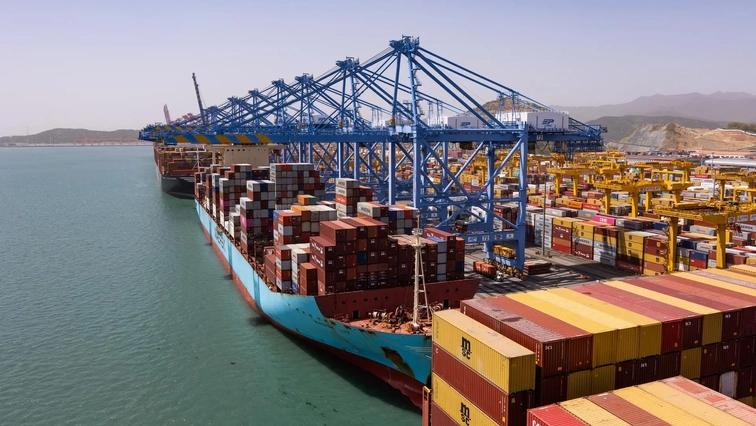
Charcoal Fire Risk During Shipping is associated with the material’s self-heating properties and the possibility of heat accumulating during transport.
Relevant considerations include the characteristics of the charcoal, its production history, the condition of the shipment, packaging and the broader transport environment.
The CINS guidance notes that charcoal can release heat through slow oxidation. When that heat accumulates, the potential for a fire increases.
The danger is not limited to whether a shipment displays obvious signs of combustion before departure.
This is why Charcoal Container Safety requires a broader regulatory approach rather than relying exclusively on visual inspection.
For international traders, identifying Charcoal Fire Risk During Shipping is an essential part of commercial risk assessment.
Understanding Charcoal Dangerous Goods Classification
Charcoal Dangerous Goods Classification establishes how charcoal must be identified and handled within the maritime dangerous goods framework.
Under the International Maritime Dangerous Goods (IMDG) Code, charcoal of animal or vegetable origin is associated with:
-
UN Number: UN1361
-
Proper Shipping Name: CARBON, animal or vegetable origin
-
Dangerous Goods Class: 4.2 – Substances liable to spontaneous combustion
-
Relevant Special Provision: 978
What Does Charcoal UN1361 Class 4.2 Mean?
Charcoal UN1361 Class 4.2 identifies charcoal as cargo subject to regulations addressing the risk of spontaneous combustion.
This classification influences documentation, packaging, labelling, marking and carrier acceptance.
The applicable packing group must also be correctly determined for the shipment rather than assumed from the general product description.
The distinction between charcoal and mineral coal is important because these materials originate from different sources and are not automatically covered by identical transport classifications.
According to MSC, Amendment 42-24 removes previous exemptions and introduces Special Provision 978, with stronger requirements relating to declaration, packaging, traceability and safe handling.
Therefore, Charcoal Dangerous Goods Classification is a fundamental part of international shipping compliance.
IMDG Code Charcoal 2026: What Changed?
The most important development affecting Charcoal Shipping Safety in 2026 is the mandatory implementation of IMDG Code Amendment 42-24.
The International Maritime Organization (IMO) confirms that Amendment 42-24 became mandatory on January 1, 2026.
The revised framework strengthens the requirements for charcoal shipments classified as UN1361.
One significant change is the removal of the former pathway that allowed certain charcoal shipments to avoid dangerous goods classification based on specified self-heating test exemptions.
MSC announced that it would enforce the revised charcoal requirements from November 1, 2025, ahead of their mandatory global application.
Hapag-Lloyd also adopted enhanced dangerous goods requirements for charcoal before January 2026.
For importers, IMDG Code Charcoal 2026 should be considered when negotiating shipping arrangements and evaluating logistics quotations.
Businesses should also recognize that Charcoal Transport Regulations and individual shipping-line acceptance policies are related but distinct.
What Are the Current Charcoal Shipping Requirements?
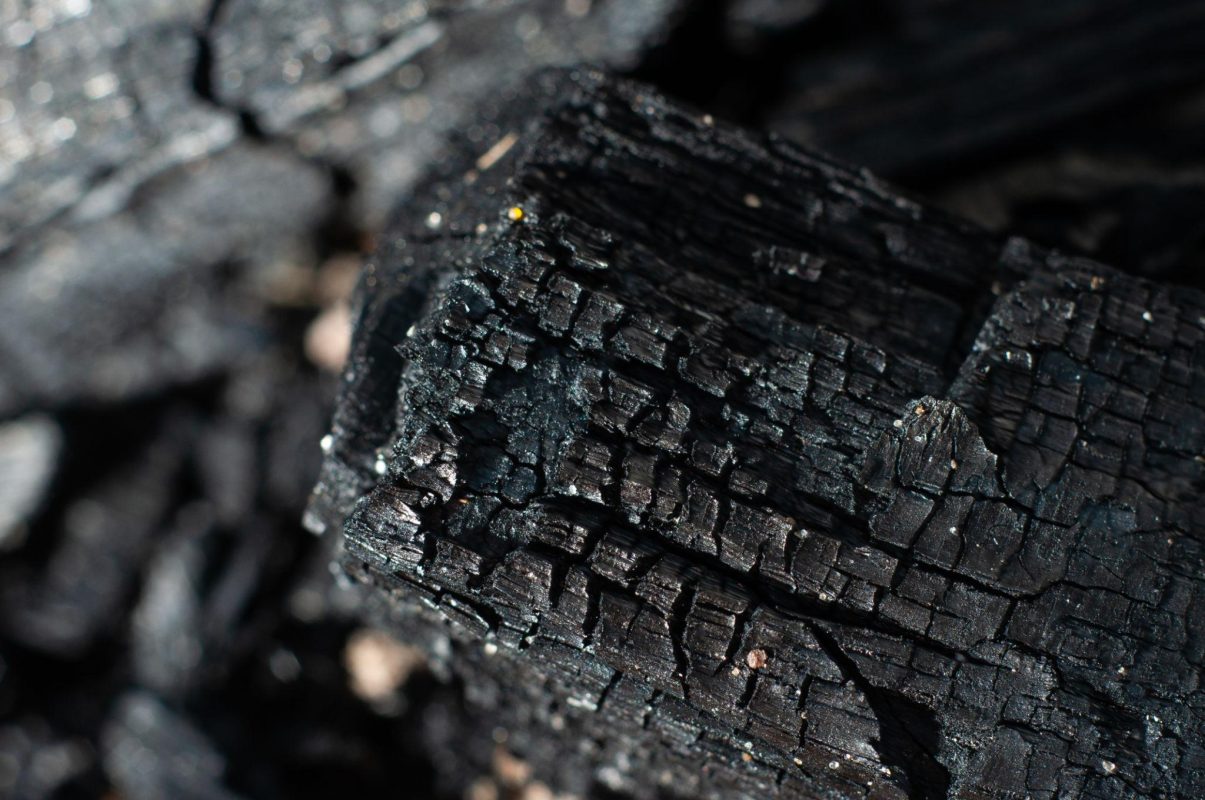
Charcoal Shipping Requirements under the revised IMDG framework involve correct cargo identification, dangerous goods documentation, appropriate packaging and other applicable transport safety controls.
Hapag-Lloyd’s published guidance on Special Provision 978 identifies requirements concerning the condition of charcoal after production, packaging, temperature-related criteria and additional declaration information.
Compliance with these provisions requires qualified dangerous goods personnel and reference to the full applicable IMDG Code.
Carrier acceptance policies may also introduce additional conditions.
For example, in June 2026, Hapag-Lloyd announced specific requirements for UN1361, Class 4.2 charcoal shipments originating from Vietnam, including thermal protection and a container-loading survey report issued by a carrier-nominated surveyor.
These requirements are specific to Hapag-Lloyd’s acceptance policy and should not automatically be treated as universal obligations for all shipping lines.
Importers should therefore distinguish between mandatory Charcoal Shipping Requirements under international regulations and additional conditions established by individual carriers.
Which Charcoal Shipping Documents Are Important?
Charcoal Shipping Documents are essential for identifying cargo and establishing compliance with applicable transport rules.
Ordinary commercial documentation may include a Commercial Invoice, Packing List and Bill of Lading.
For shipments covered by UN1361, the dangerous goods documentation requirements must also be satisfied.
Relevant records can include the Dangerous Goods Declaration, cargo classification information, applicable packaging documentation and additional reports required by the carrier.
Hapag-Lloyd’s guidance identifies specific production and packaging information that must be included in the dangerous goods declaration under the updated charcoal rules.
Some carriers may require further inspection or survey documents as a condition of accepting a shipment.
Charcoal Shipping Documents should contain consistent information about the cargo, its classification and the relevant shipment details.
A standard quality Certificate of Analysis (COA) does not automatically replace the Dangerous Goods Declaration or other mandatory maritime documentation.
For B2B buyers, reviewing the scope of Charcoal Shipping Documents is an important part of understanding the responsibilities associated with an international charcoal transaction.
Why Charcoal Container Safety Matters
Charcoal Container Safety involves several participants in the international logistics chain.
The shipper is responsible for meeting the obligations applicable to its role, including accurate cargo information and relevant dangerous goods compliance.
Freight forwarders and qualified dangerous goods professionals help coordinate the transport documentation and acceptance process.
Shipping lines assess cargo bookings against applicable regulations and their own safety policies.
Importers must also consider the implications of Charcoal Shipping Safety when evaluating suppliers, contracts and delivery arrangements.
Commercial terms such as FOB or CIF determine certain cost and risk responsibilities, but they do not remove the statutory dangerous goods obligations of the parties involved.
Reliable Charcoal Container Safety therefore depends on accurate information and coordination between responsible commercial and transport organizations.
How Do Shipping Regulations Affect Import Costs?
Safe Transport of Charcoal can influence the overall cost of international trade.
Depending on the shipment and carrier, costs may arise from dangerous goods declarations, compliant packaging, inspection services, transport surcharges and carrier-specific acceptance conditions.
Hapag-Lloyd has published a Dangerous Goods Premium surcharge associated with its charcoal transport policy. However, applicable charges may vary according to shipping routes, service conditions and changes in carrier tariffs.
It would therefore be misleading to assume that a single published surcharge applies to every charcoal shipment.
When comparing logistics quotations, importers should consider whether the offers cover equivalent dangerous goods services and requirements.
Understanding Charcoal Transport Regulations can help buyers interpret differences between freight quotations and identify potential compliance-related expenses.
Ultimately, Charcoal Shipping Safety is both a regulatory responsibility and a factor in supply chain reliability.
Conclusion
Charcoal Shipping Safety is an essential consideration for international charcoal trade in 2026.
The phenomenon of Charcoal Self Heating explains why charcoal can present fire hazards even without an external ignition source.
The implementation of IMDG Code Charcoal 2026 and the requirements for Charcoal UN1361 Class 4.2 have increased the importance of accurate classification, documentation and regulatory compliance.
For businesses involved in charcoal imports and exports, understanding Charcoal Shipping Requirements, Charcoal Container Safety and Charcoal Fire Risk During Shipping supports informed commercial planning.
Safe Transport of Charcoal depends on compliance with current maritime regulations, accurate cargo information and cooperation with qualified logistics professionals.
Sources & References
VIETARGO – THE BEST CHARCOAL OF THE WORLD TO YOUR SHELF
Website : https://vietargo.com/
Facebook : Vietargo
địa chỉ : 10 Nguyen Hien Street, 91B Residential Area, Can Tho, Vietnam
☎: 0939364888