

Why Does Charcoal Spark and Pop? Causes and How to Reduce It
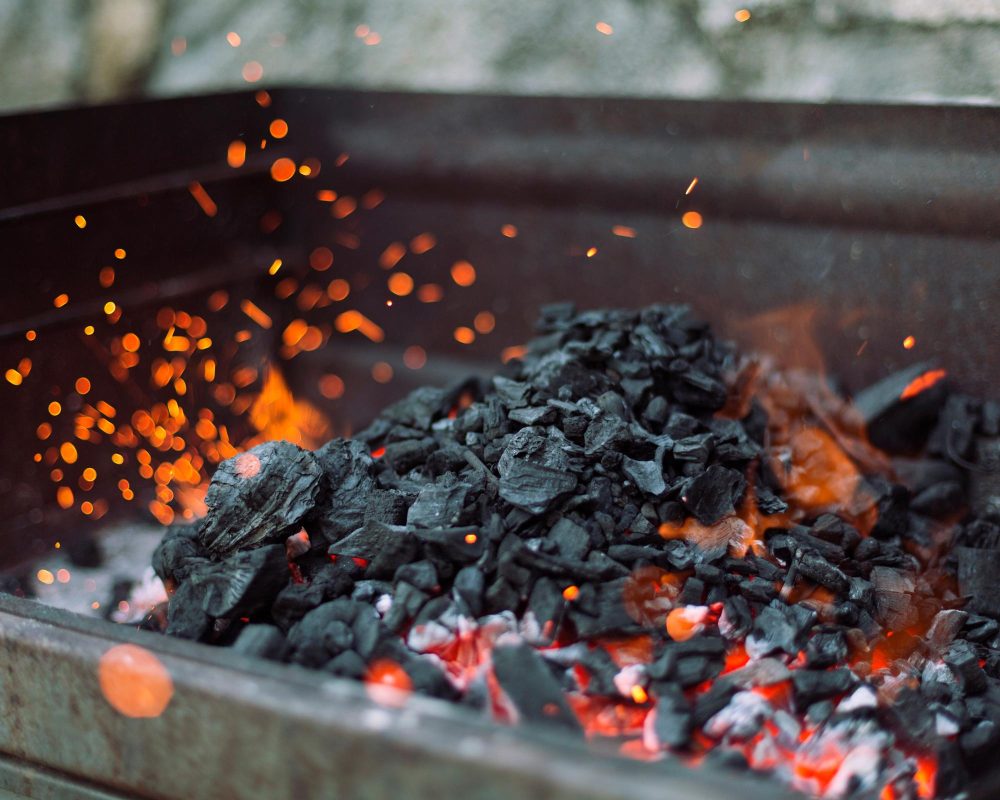
Why Does Charcoal Spark during burning, and why do some charcoal pieces make popping or cracking sounds? These are common questions among barbecue users, restaurant operators, charcoal distributors and international buyers.
Charcoal Popping and Sparking can occur when moisture, trapped gases, structural weaknesses or foreign materials interact with heat. The intensity varies depending on the type of charcoal, its production characteristics and the conditions in which it is used.
Understanding Charcoal Sparking Causes helps buyers recognize potential product defects, interpret quality information and evaluate charcoal for commercial applications.
Why Does Charcoal Spark During Burning?
The question Why Does Charcoal Spark is closely related to the physical and chemical changes that occur when charcoal is heated.
Charcoal has a porous carbon structure containing small cavities and cracks formed during carbonization.
When heat reaches these areas, moisture and residual volatile compounds may escape from the material.
If vapor or gases are released rapidly from confined areas, localized pressure can contribute to cracking, popping sounds and the ejection of small fragments.
Scientific literature on solid-fuel combustion describes how trapped moisture and the release of volatile gases can contribute to popping and crackling during heating.
However, not all sparks are caused by moisture. Raw material characteristics, small particles and foreign substances may also influence the behavior of burning charcoal.
Charcoal Moisture Content and Its Effect on Sparking
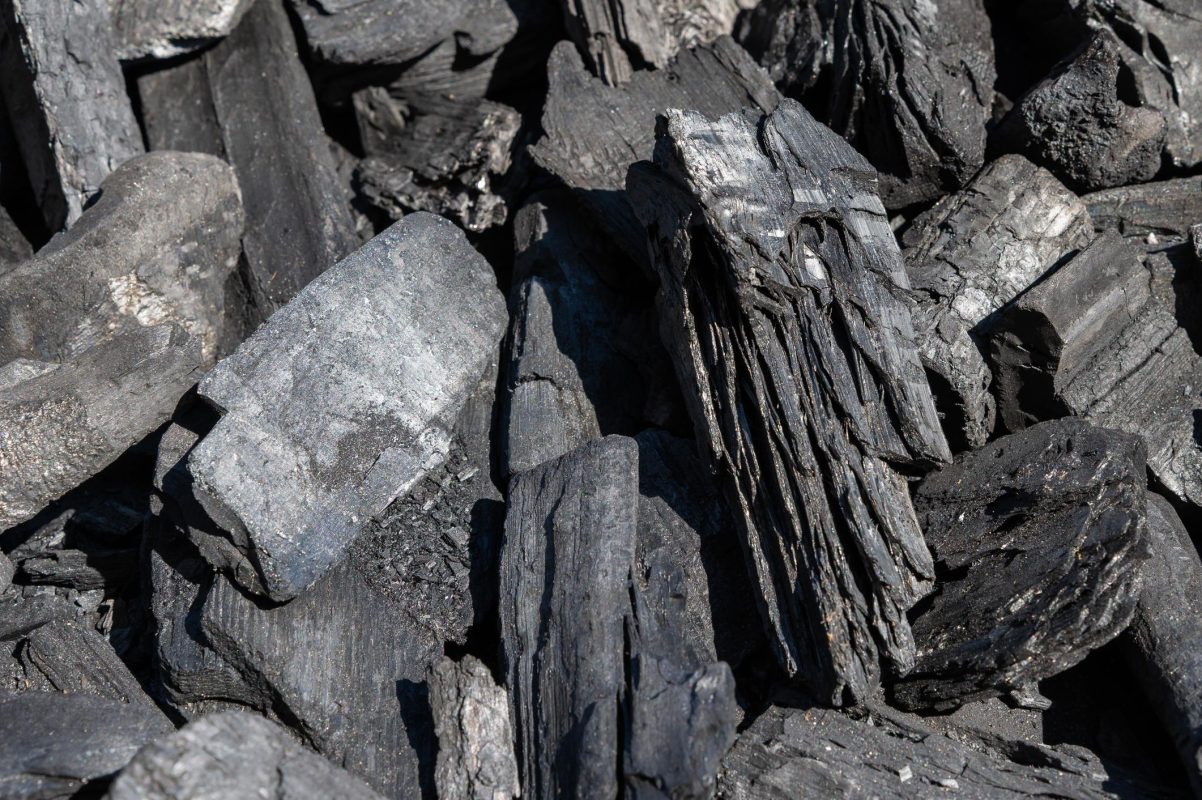
Charcoal Moisture Content refers to the proportion of water contained in charcoal at the time of testing.
According to the Food and Agriculture Organization (FAO), charcoal can absorb moisture from the surrounding air after production. Even well-carbonized charcoal may reach moisture levels of approximately 5–10% under common storage conditions.
When charcoal containing moisture is exposed to heat, water turns into vapor and escapes through pores or cracks.
Rapid vapor release may create localized pressure, contributing to cracking sounds or the ejection of small charcoal fragments.
This is one explanation for Why Does Charcoal Pop during heating.
Moisture absorption during unsuitable storage conditions may also change the combustion behavior of a charcoal shipment.
However, lower moisture content does not guarantee spark-free combustion because other material characteristics remain important.
How Volatile Matter Influences Charcoal Burning
Residual volatile matter is another factor to consider when investigating Charcoal Sparking Causes.
Volatile matter includes compounds released as gases or vapors when charcoal is heated under specified testing conditions.
FAO explains that charcoal carbonization conditions influence volatile matter content. Charcoal containing more volatile compounds may produce more visible flames or smoke during combustion.
Nevertheless, flames, smoke and sparks are different combustion phenomena.
Higher volatile matter content may help explain certain Charcoal Burning Problems, but it should not automatically be identified as the direct cause of every spark.
A reliable assessment requires consideration of moisture, charcoal structure, raw material composition and the actual symptoms observed.
Why Charcoal Cracks When Heated
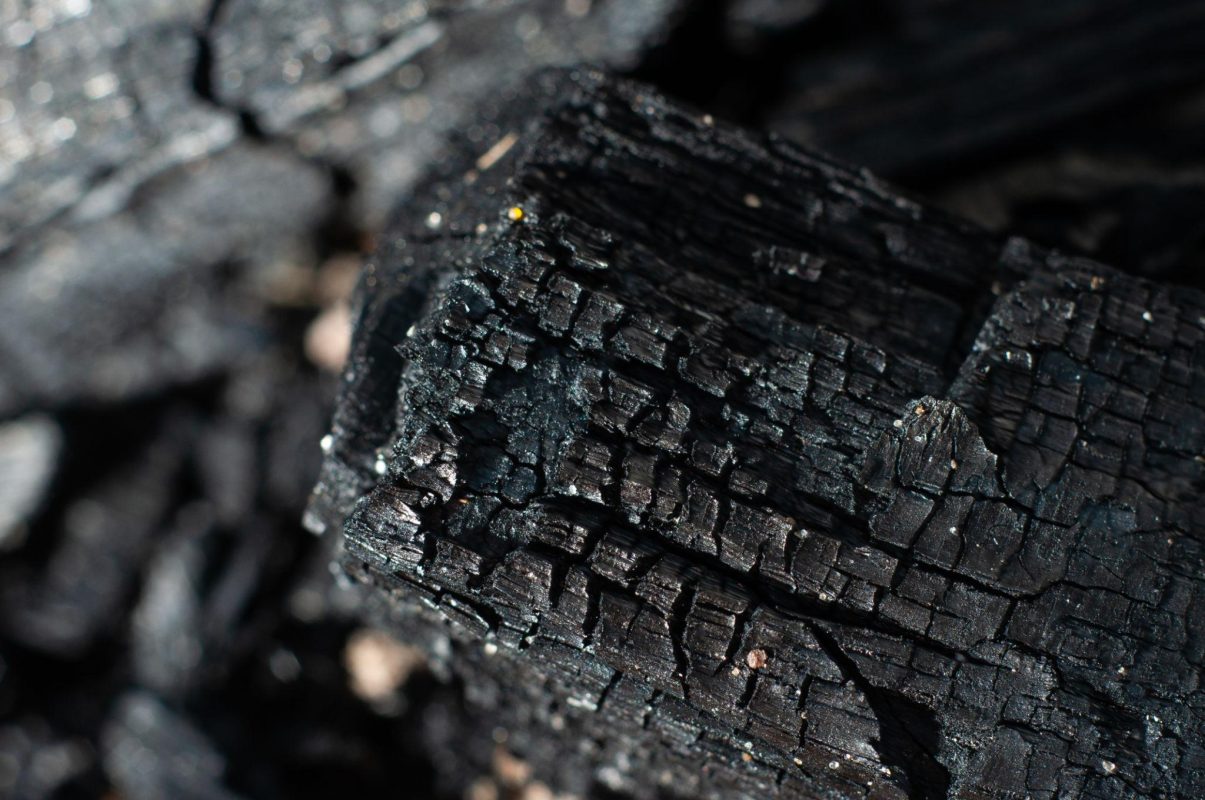
Understanding Why Charcoal Cracks When Heated requires examining the physical structure of the material.
Charcoal retains some structural characteristics of the original biomass after carbonization.
When heated, different areas within a piece may experience changes in temperature at different rates.
These temperature differences can produce thermal stress, allowing existing cracks to expand or causing the material to fracture.
Moisture and gases within the structure may further contribute to the development of cracks.
As a result, Charcoal Popping and Sparking can sometimes occur together with visible fragmentation.
However, the presence of cracks alone does not necessarily indicate poor charcoal quality.
The significance of cracking depends on its severity, the intended application and whether it affects product safety or performance.
Raw Material Impurities and Charcoal Sparking Causes
Impurities are another consideration when evaluating Charcoal Sparking Causes.
Charcoal can contain naturally occurring minerals from its original raw material. Additional foreign substances may enter the product during collection, processing, handling or storage.
FAO identifies raw material species, bark content and contamination with soil or mineral substances as factors influencing charcoal ash content.
Not every mineral component causes sparking. However, foreign materials and inconsistent physical structure may affect combustion behavior.
Unusually high levels of fines, visible contamination, excessive fragmentation or inconsistent performance may indicate Charcoal Quality Problems requiring further investigation.
These characteristics should be assessed through appropriate product inspection rather than appearance alone.
What Makes Low Spark Charcoal Different?
Low Spark Charcoal generally describes charcoal that produces relatively limited visible sparks under defined use or testing conditions.
Different charcoal products, including hardwood lump charcoal, coconut shell charcoal and charcoal briquettes, may behave differently when heated.
However, it would be misleading to claim that one raw material always produces fewer sparks without comparable test evidence.
When evaluating Low Spark Charcoal, buyers should consider moisture levels, consistency of physical structure, fines content, contamination and relevant performance observations.
Batch-to-batch consistency is particularly important for wholesale buyers and distributors.
The term Low Spark Charcoal should not be interpreted as a guarantee that the product will never spark or crack.
Any commercial claim about sparking performance should ideally be supported by appropriate evaluation conditions and documented results.
How to Reduce Charcoal Sparking
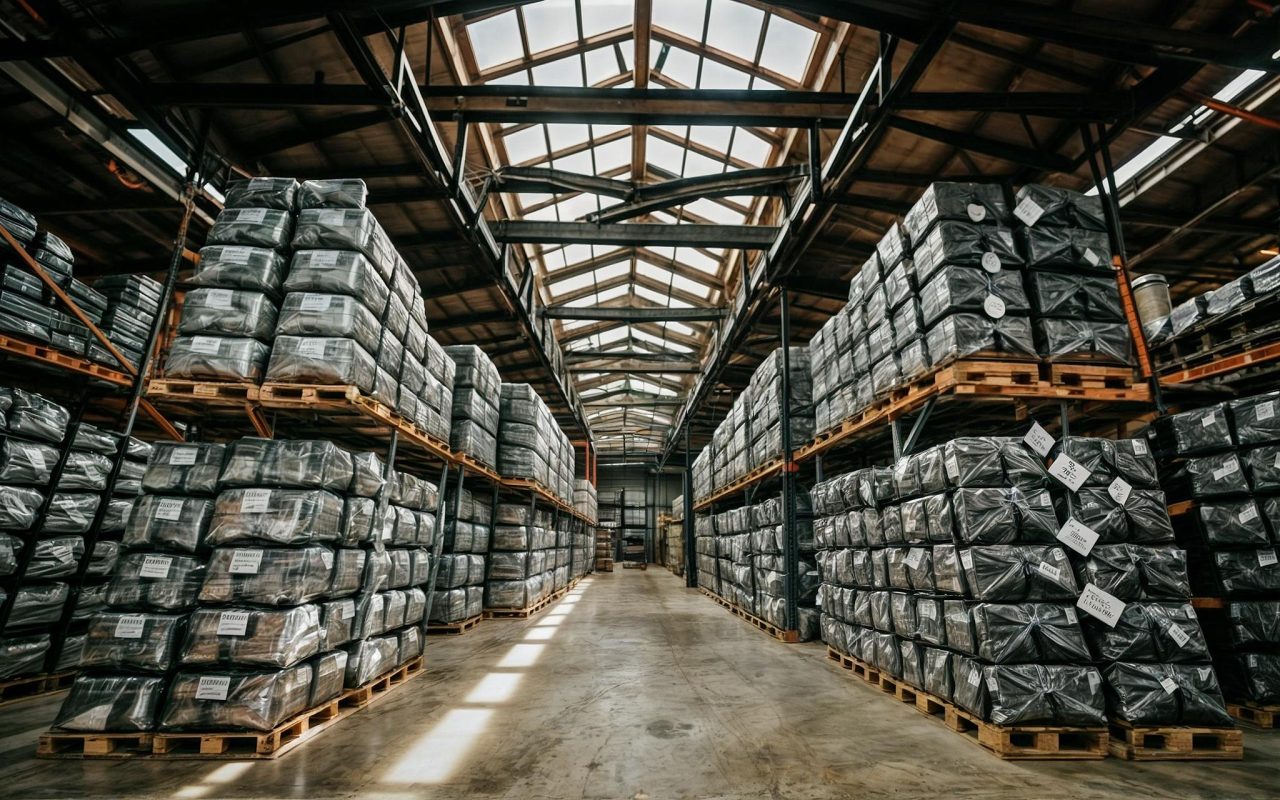
How to Reduce Charcoal Sparking involves understanding product quality, storage conditions and safe-use considerations.
For commercial buyers, an important starting point is the moisture specification agreed with the supplier.
Products showing signs of water exposure, damaged packaging or unusual physical deterioration should be evaluated before use.
Consistent raw materials and effective production quality control may also contribute to more predictable product behavior.
Shipments containing unusually high quantities of fines, foreign substances or fractured pieces may require additional quality assessment.
The question How to Prevent Charcoal Popping should not be interpreted as a promise that every instance of popping can be eliminated.
Instead, the practical objective is to identify charcoal products with suitable and consistent performance characteristics.
If charcoal produces unusually vigorous sparks or popping, discontinue use of the affected product until the issue has been evaluated. Avoid improvised attempts to treat burning charcoal.
Charcoal also releases carbon monoxide during combustion. The U.S. Consumer Product Safety Commission warns that charcoal grills must not be used inside homes, garages, tents or other enclosed spaces because carbon monoxide can cause fatal poisoning.
cpsc.gov
How to Identify Charcoal Quality Problems Before Bulk Orders
For international importers, Charcoal Burning Problems should be considered as part of a broader product quality assessment.
A Certificate of Analysis (COA) can provide information about moisture content, fixed carbon, ash and volatile matter.
However, a standard COA does not necessarily demonstrate that charcoal has low-sparking performance unless the relevant characteristic has been evaluated separately.
A product may meet its chemical specifications while still displaying physical behavior that requires further investigation.
When assessing Charcoal Quality Problems, buyers should consider the consistency of samples, the traceability of test results and the relationship between technical reports and actual delivered goods.
Commercial specifications should distinguish measurable laboratory characteristics from application-specific performance claims.
This approach can help importers make more informed comparisons between different charcoal products.
Conclusion
Why Does Charcoal Spark is a question with several possible explanations involving both physical structure and material composition.
Moisture, volatile compounds, rapid gas release, thermal stress and foreign materials may contribute to Charcoal Sparking Causes.
Understanding Why Does Charcoal Pop can help buyers identify potential quality concerns and evaluate whether a product meets the needs of its intended market.
Effective quality control, suitable moisture specifications and consistent product evaluation are important considerations for reducing Charcoal Popping and Sparking.
Sources & References
VIETARGO – THE BEST CHARCOAL OF THE WORLD TO YOUR SHELF
Website : https://vietargo.com/
Facebook : Vietargo
địa chỉ : 10 Nguyen Hien Street, 91B Residential Area, Can Tho, Vietnam
☎: 0939364888