

Sustainable Charcoal: Market Trends and Sourcing Challenges
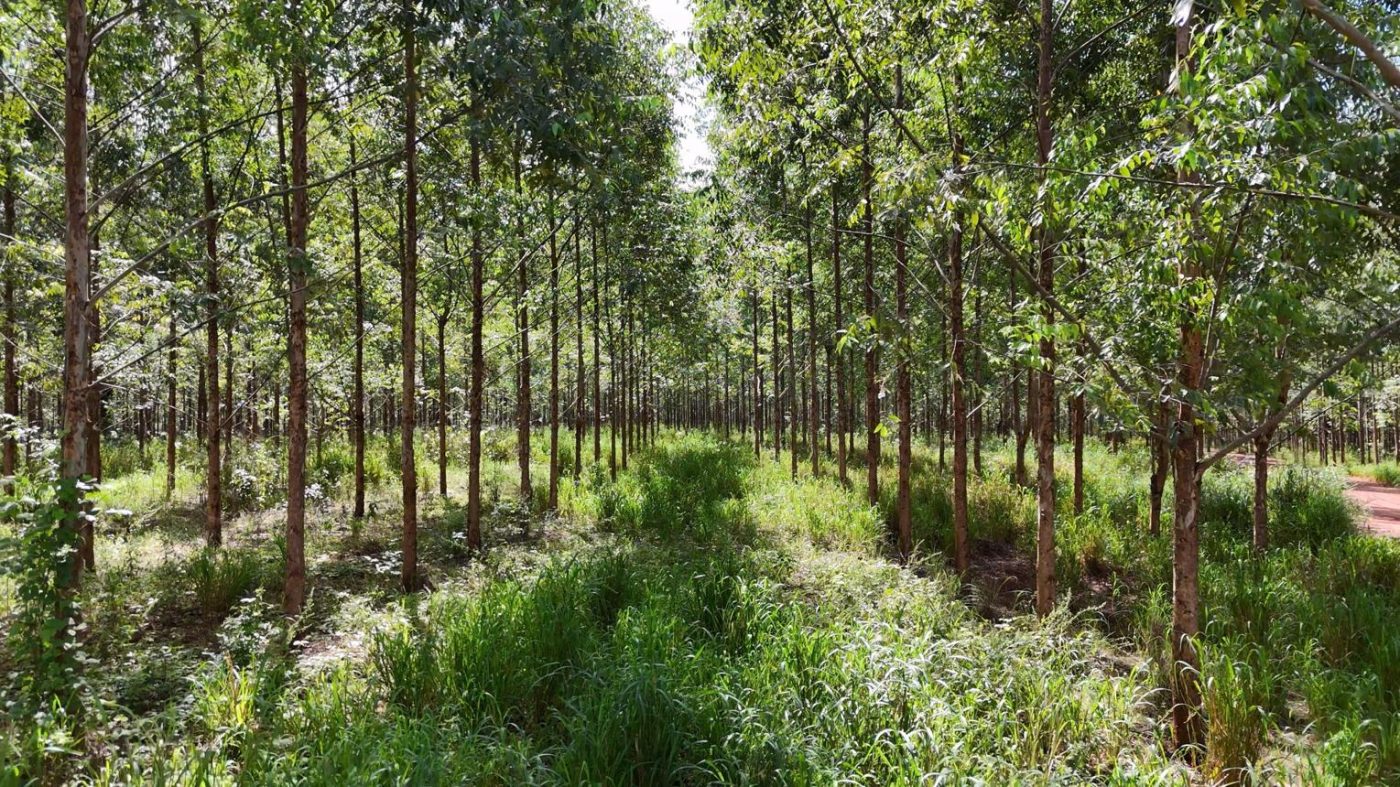
Responsible forest management is one consideration in assessing the sustainability of wood-based charcoal. ALT: Sustainable Charcoal – responsible forest sourcing and renewable raw materials.
Sustainable Charcoal is becoming an important consideration for international charcoal importers, wholesale distributors and businesses supplying barbecue fuel. As environmental requirements and supply chain expectations evolve, buyers are increasingly interested in understanding where charcoal originates and how its production affects natural resources.
Traditionally, charcoal quality has been assessed through fixed carbon, ash content, moisture, calorific value and burning performance. These specifications remain important, but they do not provide a complete picture of environmental or social responsibility.
A charcoal product may meet commercial quality requirements while still presenting sourcing risks if its raw materials originate from illegal logging or poorly managed forests.
According to the United Nations Environment Programme (UNEP), renewable charcoal produced from managed tree resources should be distinguished from non-renewable charcoal associated with deforestation. UNEP also cautions that renewable forestry systems can create environmental impacts, including reduced biodiversity in monoculture plantations.
For businesses evaluating the Sustainable Charcoal Market, the central issue is therefore not simply whether a product is made from biomass. It is whether the relevant environmental claims can be supported by reliable information.
Understanding Sustainable Charcoal Trends, traceability requirements and sourcing challenges can help international buyers make more informed decisions.
What Is Sustainable Charcoal?
Sustainable Charcoal generally refers to charcoal supplied through practices that consider raw material legality, environmental impacts, social responsibilities and the long-term availability of resources.
It is not a single charcoal product category.
Natural hardwood charcoal may come from responsibly managed forestry operations. Coconut shell charcoal and carbonized sawdust briquettes may utilize agricultural or wood-processing residues.
These materials offer different potential benefits, but none should automatically be considered environmentally sustainable based on its name alone.
For example, coconut shell charcoal may utilize material generated by coconut processing. However, its overall environmental impact also depends on how the material is collected, processed and transported.
Similarly, charcoal produced from managed forest resources can still create environmental concerns if forest management, biodiversity or production emissions are not adequately addressed.
The expression Eco Friendly Charcoal is frequently used in marketing, but it does not represent a universal technical certification.
Buyers should distinguish renewable raw materials, independently verified sourcing and compliance with applicable legal requirements.
These concepts are related but are not interchangeable.
A credible sustainability claim should identify the specific characteristic being evaluated and the evidence supporting it.
Sustainable Charcoal Market: What Is Changing?
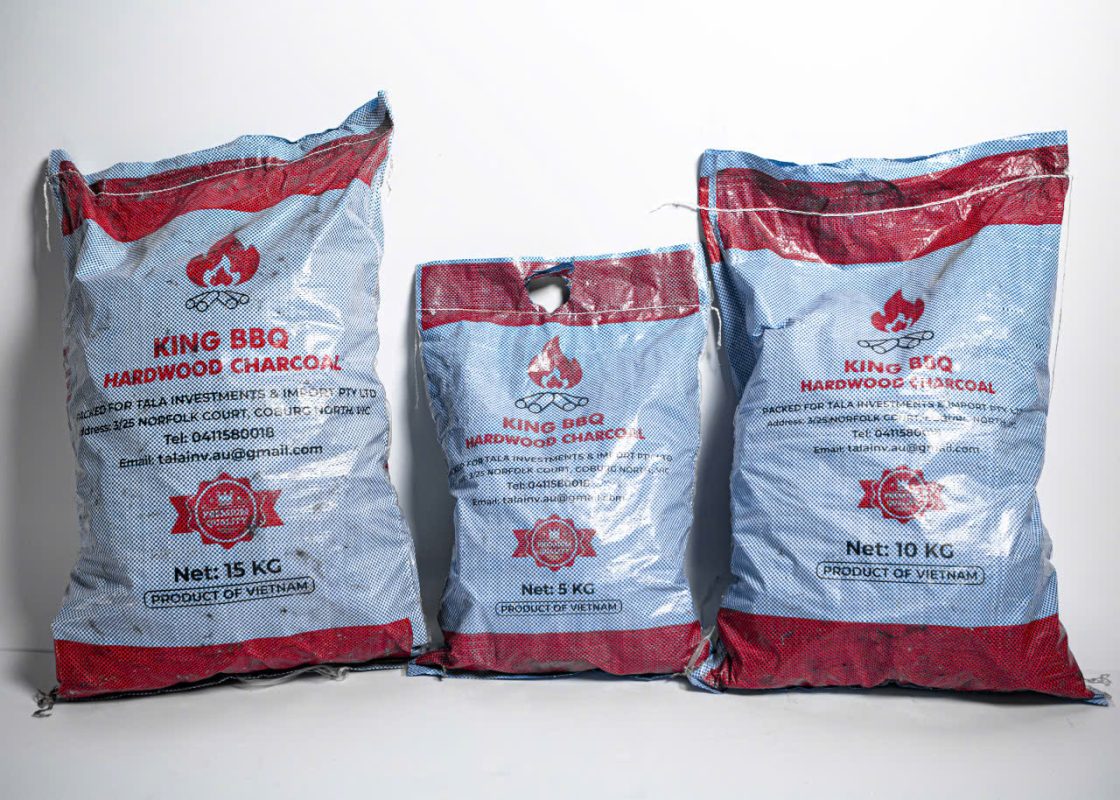
Retail and wholesale markets may consider packaging and raw material information alongside charcoal quality. ALT: Sustainable Charcoal Market – responsibly marketed BBQ charcoal products.
The Sustainable Charcoal Market is influenced by environmental policy, sourcing practices and the commercial demand for charcoal products with more transparent supply chains.
However, there is no single universally accepted dataset that measures the exact size of the global sustainable charcoal market in 2026.
International trade statistics typically classify charcoal according to product categories and tariff codes rather than verified sustainability characteristics.
As a result, total charcoal import or export volumes cannot automatically be treated as sustainable charcoal market volumes.
The most identifiable Sustainable Charcoal Trends are therefore changes in procurement requirements, regulatory expectations and product documentation.
One development is greater attention to alternative biomass feedstocks.
UNEP identifies agricultural and organic residues, including sawdust, nutshells and other biomass waste, as materials that could reduce dependence on charcoal sourced directly from trees.
Another development concerns traceability.
Buyers supplying markets with strict sourcing requirements may need more detailed information about raw material origin and the companies involved in the supply chain.
Voluntary certification and independent verification are also relevant to buyers seeking additional evidence of responsible sourcing.
These developments create opportunities for suppliers with reliable documentation, although they do not establish that all buyers are willing to pay a higher price for certified charcoal.
Agricultural Residues and Eco Friendly Charcoal
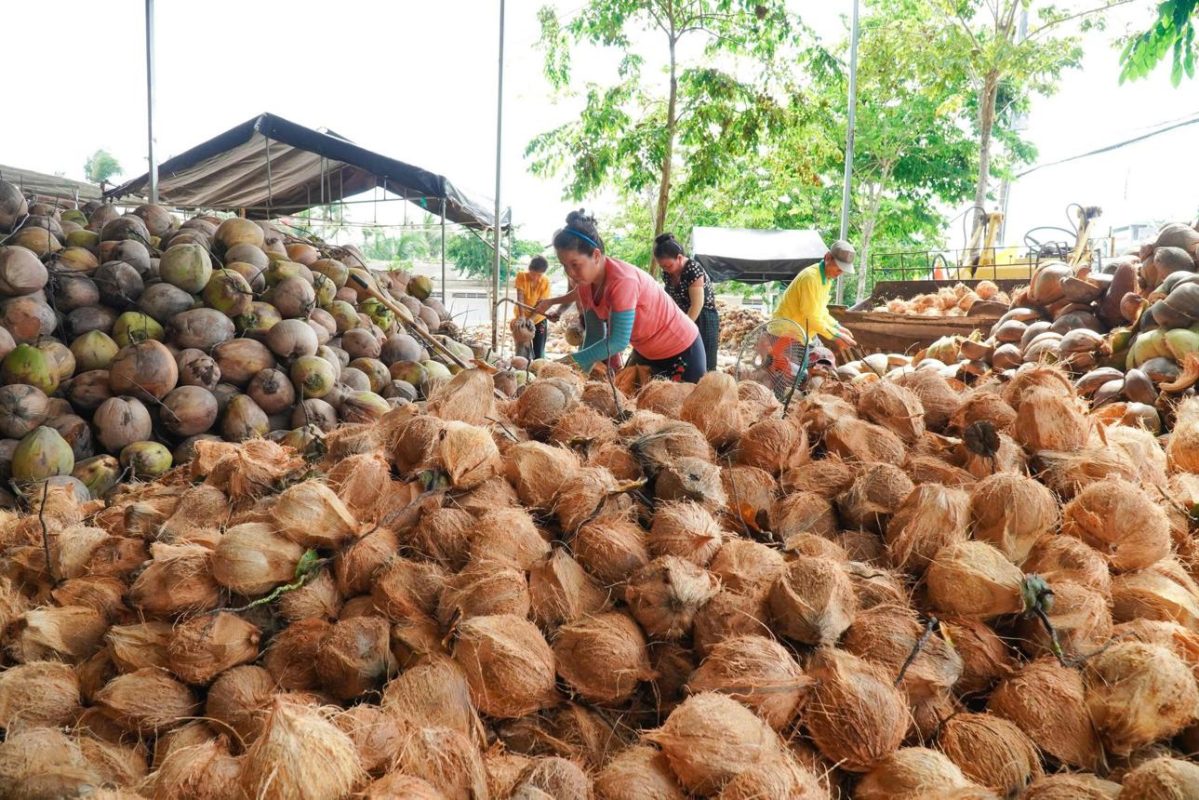
Coconut shells are among the agricultural residues used as raw materials for charcoal products. ALT: Eco Friendly Charcoal – coconut shell residues and biomass sourcing.
Agricultural residues are frequently discussed in relation to Eco Friendly Charcoal because they offer opportunities to utilize materials generated by existing industries.
Coconut processing produces hard shells that can serve as raw materials for carbonized products.
Wood-processing facilities generate sawdust and other residues that may be suitable for different biomass applications, including charcoal briquettes.
These resources can provide alternatives to directly harvested wood.
For Vietnam, coconut-producing regions and the wood-processing industry are relevant sources of biomass residues.
Nevertheless, the environmental benefits depend on the actual supply chain.
A material described as a by-product may already have competing commercial uses. Redirecting it toward charcoal manufacturing does not necessarily result in an equivalent reduction in waste.
Transportation distances, processing energy and manufacturing emissions must also be considered.
Consequently, Sustainable Charcoal Sourcing should not rely solely on the assumption that agricultural residues always have a lower environmental impact.
Buyers should seek evidence appropriate to the claim being made.
A supplier describing coconut shell briquettes as Sustainable BBQ Charcoal, for example, should be able to explain the raw material source and the basis of any additional environmental claims.
Sustainable Charcoal Production and Environmental Performance
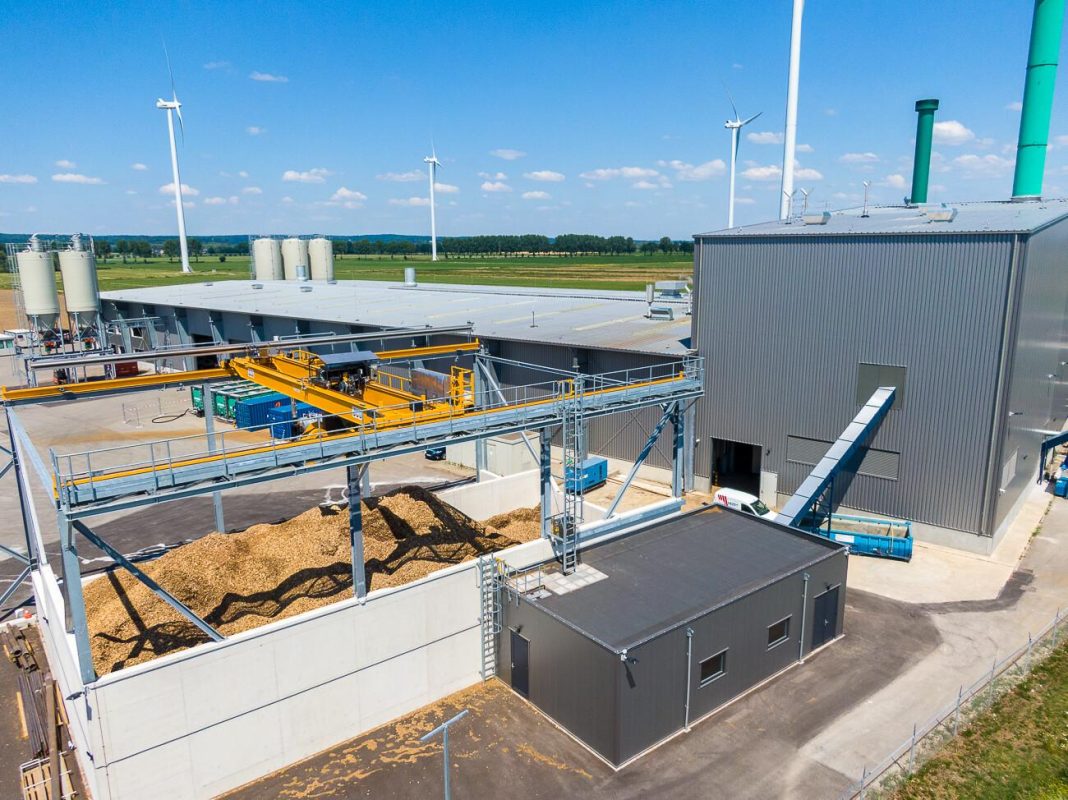
Environmental management at production facilities is relevant to the sustainability of charcoal manufacturing. ALT: Sustainable Charcoal Production – biomass processing facility and industrial environmental controls.
Sustainable Charcoal Production involves examining the environmental and operational impacts of charcoal manufacturing.
Important issues can include raw material efficiency, emissions, waste management, energy requirements and worker welfare.
Environmental performance cannot be established simply by measuring the quality of the final charcoal product.
A high fixed carbon percentage or low ash content may be desirable for particular applications, but neither result proves that the production facility has low emissions or responsible labor practices.
In March 2026, the International Renewable Energy Agency (IRENA) published Charcoal in the Modern Cooking Transition.
The report discusses the environmental impacts of charcoal dependence and emphasizes the need to modernize production and related supply chains while recognizing the livelihoods connected to the industry.
Its primary focus is traditional cooking energy, especially in Sub-Saharan Africa, rather than international BBQ charcoal trade.
Nevertheless, the report highlights broader issues that are relevant when evaluating Sustainable Charcoal Production.
For international buyers, production-related claims should be supported by evidence appropriate to the facility and the processes involved.
A Certificate of Analysis provides information about the tested charcoal sample. It is not a substitute for environmental performance data or labor-related assessments.
Responsible Charcoal Sourcing and Raw Material Traceability
Responsible Charcoal Sourcing requires more than selecting a supplier that advertises environmentally friendly products.
Buyers need to understand the origin of the raw materials and the parties involved in producing and supplying the goods.
For wood-based charcoal, forest origin and the legality of timber sourcing are particularly important.
After carbonization, the material may no longer retain easily recognizable characteristics of the original wood.
This can make visual verification difficult, especially when charcoal from different sources is combined or repackaged.
For that reason, records throughout the Charcoal Supply Chain can play a critical role.
Depending on the product and market, relevant information may include the raw material supplier, producer identity, production location, shipment identification and supporting legality documents.
The required level of detail depends on the applicable law and the nature of the sourcing claim.
Responsible Charcoal Sourcing should therefore focus on traceable evidence rather than broad statements about renewable materials.
An identifiable source of raw material is useful, but the accuracy of the supporting information must also be considered.
FSC Certification and Sustainable Charcoal Suppliers
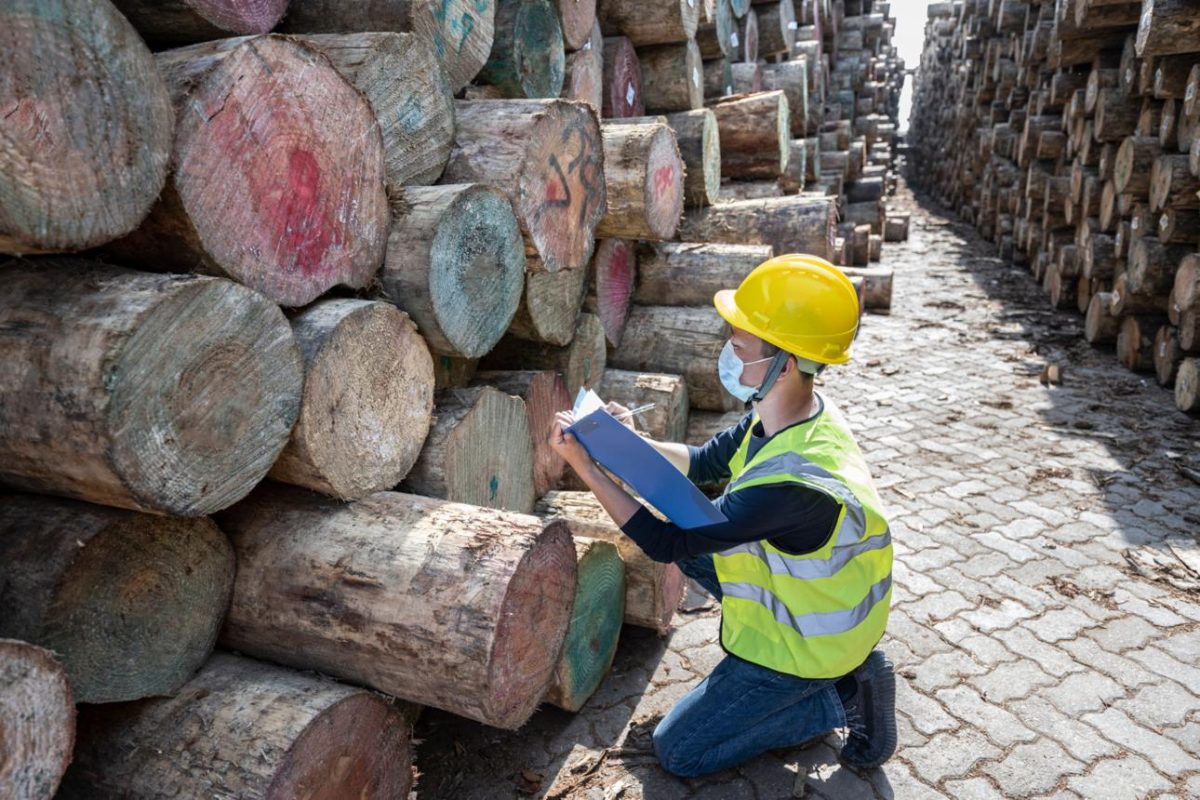
Supply chain audits can support verification of forestry-related sourcing claims. ALT: Sustainable Charcoal Suppliers – forest products chain of custody and traceability.
Independent certification can provide additional information when evaluating Sustainable Charcoal Suppliers.
The Forest Stewardship Council (FSC) operates a Chain of Custody certification system designed to verify that qualifying forest-based materials are tracked through the relevant stages of the supply chain.
According to FSC, Chain of Custody certification provides a framework for maintaining credible sourcing claims from the forest through processing and distribution.
However, buyers must distinguish an organization’s certificate from the certification status of a particular product.
The certificate scope, validity and related product claims should all be checked.
Charcoal supply chains present particular verification challenges because the original material undergoes substantial transformation during carbonization.
FSC has investigated charcoal certification integrity through transaction verification and wood-identification testing.
These investigations identified historical discrepancies between declared materials and actual products, leading to corrective actions and certificate cancellations.
This demonstrates why independent verification and supply chain monitoring remain important even when certification systems are available.
For buyers comparing Sustainable Charcoal Suppliers, certification can be useful evidence, but it should not be interpreted as a guarantee of every environmental or technical characteristic.
An FSC-related sourcing claim does not automatically establish charcoal calorific value, moisture content, burning duration or ash percentage.
EUDR and the Sustainable Charcoal Market in 2026
The European Union Deforestation Regulation (EUDR) is a significant development affecting parts of the Sustainable Charcoal Market.
EUDR establishes requirements intended to prevent products associated with deforestation and forest degradation from entering or leaving the EU market.
The framework addresses relevant commodities and products, including certain wood-derived goods.
According to the European Commission’s July 2026 update, the main application dates are December 30, 2026, for large and medium-sized operators and certain smaller operators previously covered by the EU Timber Regulation, and June 30, 2027, for most other micro and small operators.
The legal framework includes wood charcoal products within its product scope, but businesses must determine whether a specific product is covered based on its commodity composition and applicable classification.
This distinction matters for products made from coconut shells, wood residues or combinations of raw materials. The tariff heading alone should not replace a product-specific legal assessment.
For relevant products and operators, EUDR creates obligations concerning deforestation-free sourcing, legality and due diligence.
The precise responsibilities depend on the company’s role in the supply chain.
Voluntary certifications do not automatically replace the legal due diligence requirements.
For companies conducting Sustainable Charcoal Sourcing, the EUDR makes accurate documentation and legal interpretation especially relevant during the final months of 2026.
Sustainable Charcoal Challenges in Global Supply Chains
The Sustainable Charcoal Challenges facing buyers and suppliers extend across several stages of international trade.
One major difficulty is fragmented raw material sourcing.
Charcoal production may involve independent biomass collectors, small processing facilities, manufacturers, traders and exporters.
When materials from multiple origins are combined, linking finished products to individual sources can become complicated.
Another challenge is the cost of verification.
Recordkeeping, testing, audits and certification can create additional expenses, particularly for smaller businesses.
Documentation quality can also vary between suppliers.
Some companies may provide clear evidence of raw material origin, while others may have incomplete records or rely heavily on verbal descriptions.
Quality consistency remains another issue.
Even when a charcoal product has a credible sourcing claim, buyers still need to verify that it meets the technical requirements of its intended market.
A sustainably sourced product with unsuitable moisture, excessive breakage or inconsistent dimensions may still fail to satisfy commercial requirements.
These Sustainable Charcoal Challenges show why sourcing responsibility and product performance must be evaluated together.
The Role of Logistics in the Charcoal Supply Chain
The Charcoal Supply Chain does not end at the production facility.
Storage, packaging, transport and distribution can influence both product condition and the reliability of information provided to the buyer.
For international trade, shipment records should be consistent with the products and parties identified in the commercial documents.
The environmental impact of transport may also matter when a supplier makes claims about the overall lifecycle performance of its products.
However, a shipment originating closer to the destination is not automatically environmentally superior.
The assessment depends on the transportation mode, route, cargo characteristics and the broader production system.
For charcoal importers, logistics information is therefore one component of responsible sourcing rather than a complete measure of sustainability.
How Should Buyers Evaluate Sustainable Charcoal Suppliers?
Commercial buyers can review product specifications and sourcing evidence together. ALT: Sustainable Charcoal Sourcing – charcoal procurement verification and supplier records.
Evaluating Sustainable Charcoal Suppliers requires examining environmental claims and technical product information separately.
Buyers should determine which raw materials are used, where they originate and which parties are responsible for supplying them.
They should also examine supporting legality documents, relevant certification claims and the ability to connect records to specific shipments.
Commercial quality requirements remain important.
Fixed carbon, moisture, ash content, dimensions and physical integrity can help establish whether a product meets its intended application.
However, these laboratory measurements do not independently establish sustainable sourcing.
A charcoal product with an environmental certification may still require separate technical testing.
Similarly, a product with excellent technical specifications may lack sufficient evidence to support environmental claims.
Vietargo operates in Vietnam’s charcoal export sector. As with any supplier, products associated with Vietargo should be assessed using product-specific specifications, sourcing information and supporting documents available for the actual transaction.
Importers should be cautious with broad claims such as “zero emission,” “100% environmentally friendly” or “carbon neutral” unless the supplier provides appropriate supporting evidence.
Sustainable BBQ Charcoal and Commercial Buyer Expectations
Sustainable BBQ Charcoal must satisfy both sourcing expectations and practical market requirements.
For restaurant suppliers and wholesale distributors, product quality, reliable delivery and consistent specifications remain commercially relevant.
A charcoal product may have credible sourcing documentation but still be unsuitable for a particular customer if its size, ash content or physical characteristics do not meet the customer’s needs.
Conversely, a product that performs well during grilling cannot automatically be described as sustainable without appropriate sourcing evidence.
The strongest commercial evaluation combines product quality, transparent information and applicable legal compliance.
This approach avoids treating sustainability as a substitute for technical performance.
Sustainable Charcoal Trends: What Comes Next?
Looking ahead, several Sustainable Charcoal Trends deserve attention.
The first is the development of traceability systems that connect charcoal products with identifiable raw material sources.
The second is continued interest in agricultural and wood-processing residues as alternative feedstocks.
The third is the growing significance of regulatory requirements for selected forest-derived products entering major importing markets.
Certification integrity and independent verification are also likely to remain important topics.
However, available evidence does not justify assuming that all international charcoal buyers will pay a fixed premium for sustainability claims or that every biomass-based product has a lower environmental footprint.
For the Sustainable Charcoal Market, future competitiveness may depend partly on suppliers’ ability to substantiate claims while maintaining commercial quality and reliable delivery.
Conclusion
Sustainable Charcoal is not defined by a single raw material, production method or marketing label.
It involves evaluating the legality and origin of resources, the impacts of production, the integrity of the Charcoal Supply Chain and the evidence supporting environmental claims.
Important Sustainable Charcoal Trends include agricultural residue utilization, improved traceability and preparation for regulations such as EUDR.
Nevertheless, Sustainable Charcoal Challenges remain significant, particularly in fragmented sourcing networks and markets with differing documentation requirements.
For international importers, responsible charcoal purchasing depends on combining verified sourcing information, reliable product specifications and an accurate understanding of the requirements applying to each destination market.
Sources & References
VIETARGO – THE BEST CHARCOAL OF THE WORLD TO YOUR SHELF
Website : https://vietargo.com/
Facebook : Vietargo
địa chỉ : 10 Nguyen Hien Street, 91B Residential Area, Can Tho, Vietnam
☎: 0939364888