

Which Charcoal Is Best for Restaurants? Comparing Popular Charcoal Types
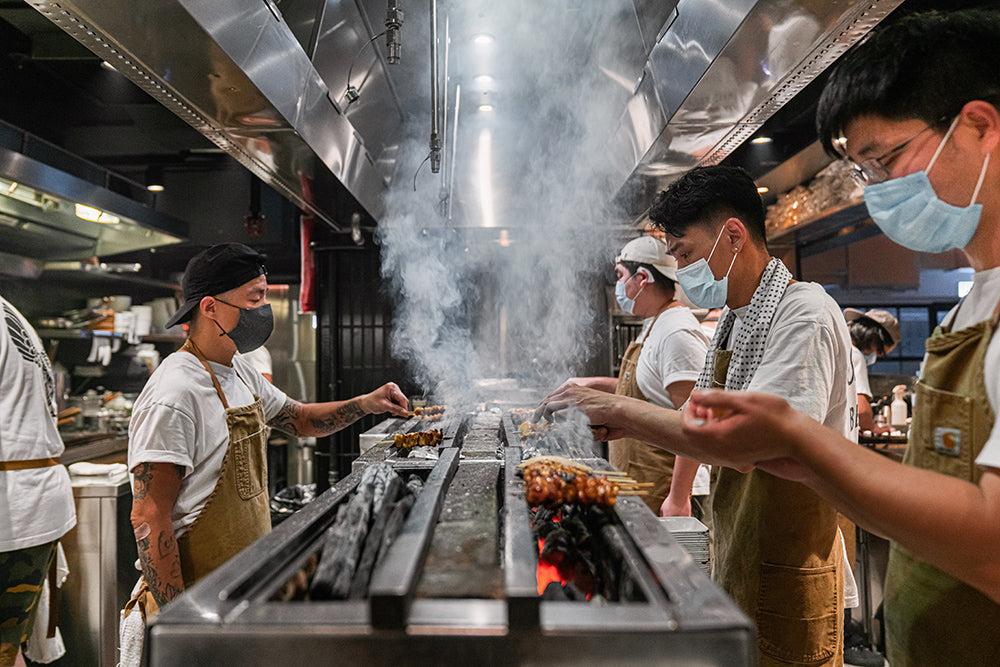
Choosing the Best Charcoal for Restaurants is not simply about finding the hottest fuel or the lowest price per kilogram. For professional foodservice businesses, charcoal selection can influence cooking consistency, fuel purchasing costs, kitchen operations and the quality expectations of customers.
Restaurants use charcoal in different ways. A traditional BBQ restaurant may prefer natural hardwood charcoal, while a restaurant requiring relatively uniform pieces may consider manufactured sawdust briquettes. Other businesses evaluate mangrove charcoal or coconut shell charcoal for their specific grilling requirements.
Each category has potential advantages, but performance depends on the actual product rather than its name alone.
Two suppliers offering hardwood lump charcoal may deliver noticeably different size distributions and technical specifications. Similarly, two charcoal briquettes with the same shape may differ in composition, ash content and physical integrity.
A practical comparison of Restaurant Charcoal Types must therefore go beyond promotional claims such as premium, smokeless or extra long-burning.
This guide compares four popular charcoal categories and explains how restaurant buyers can evaluate fuel quality, consistency, purchasing costs and wholesale supply.
What Makes Charcoal Suitable for Professional Restaurants?
Charcoal for Restaurant Grilling should be selected according to the equipment, menu and operating requirements of the business.
A small specialty restaurant and a large commercial BBQ operation may have very different purchasing priorities.
Important factors include fuel quality, predictable performance, suitable dimensions and consistency across repeat deliveries.
For professional buyers, the most relevant technical characteristics may include:
-
Fixed carbon and volatile matter
-
Moisture and ash content
-
Shape, dimensions and particle-size distribution
-
Physical integrity and the amount of broken charcoal
-
Verified performance under comparable conditions
-
Compliance with relevant product and safety requirements
The Food and Agriculture Organization (FAO) explains that charcoal quality depends on measurable properties and the intended end use. Fixed carbon, volatile matter, moisture, ash and physical characteristics can all affect suitability.
Consequently, the best choice cannot be determined by raw material alone.
The first purchasing decision should be to identify the restaurant’s requirements and establish which product characteristics are essential.
Comparing Four Popular Restaurant Charcoal Types
The following table summarizes the characteristics buyers should investigate when comparing common commercial products.
| Charcoal type | Physical form | Potential commercial advantage | Key purchasing consideration |
|---|---|---|---|
| Mangrove charcoal | Natural sticks or lumps | Distinct commercial grades and sizes | Piece dimensions, legal sourcing, breakage |
| Hardwood lump charcoal | Irregular natural chunks | Traditional lump-charcoal format | Size distribution and batch consistency |
| Sawdust charcoal briquettes | Manufactured bars, often hexagonal | Relatively uniform shape | Dimensions, structural integrity, fuel testing |
| Coconut shell charcoal briquettes | Manufactured cubes, bars or other forms | Defined shapes and product formats | Composition, binder, foodservice suitability |
These are general product characteristics, not verified performance rankings.
A product marketed as Restaurant Grade Charcoal should still be evaluated through its specifications.
Some suppliers publish comparisons of their own charcoal products, but those values should be treated as supplier-specific claims rather than universal properties of each category.
For importers, a product comparison becomes meaningful only when the tested materials, quantities and evaluation conditions are sufficiently consistent.
Mangrove Charcoal for BBQ Restaurants
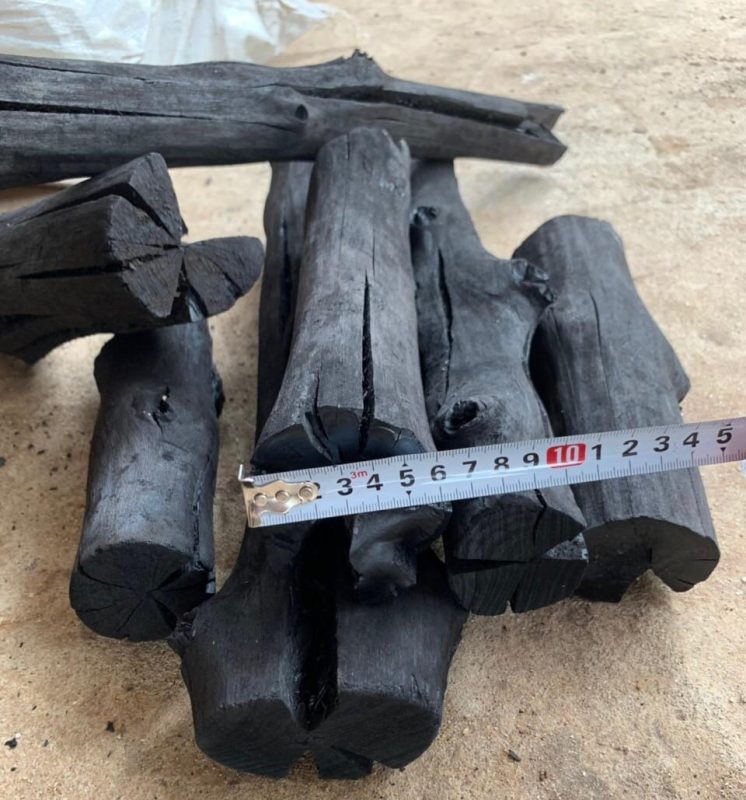
Mangrove Charcoal for BBQ is a natural charcoal category offered by suppliers in Vietnam and other producing countries.
It is commonly marketed as elongated sticks, shorter sections or irregular pieces that retain the original structure of carbonized wood.
For restaurant buyers, these physical forms may be useful when a particular size range is required.
However, mangrove charcoal should not automatically be considered superior to other hardwood charcoal.
Its suitability depends on the actual composition, dimensions and performance of the supplied grade.
A restaurant buyer should verify the length, diameter and proportion of intact pieces in the commercial shipment.
Sourcing is another consideration. Mangrove ecosystems have important environmental functions, so importers should examine the legality and supporting documentation for raw-material origin.
An attractive product photograph or a premium grade name does not independently demonstrate responsible sourcing.
Potential fit: Restaurants or distributors seeking natural charcoal sticks with defined physical specifications.
Hardwood Lump Charcoal for Traditional Grilling
Hardwood lump charcoal is one of the best-known categories in restaurant and BBQ fuel markets.
It consists of carbonized wood pieces that generally retain irregular shapes.
Different hardwood species, production conditions and sorting practices can result in different physical and chemical properties.
For restaurants seeking a traditional lump-charcoal product, this format may be commercially suitable.
However, irregular pieces can create greater variation in dimensions than manufactured briquettes.
Restaurant buyers may therefore require a defined size range or an acceptable percentage of undersized material.
The FAO notes that charcoal is susceptible to breakage during handling and transportation, potentially increasing the amount of small fragments and fines.
For foodservice distributors, this matters because a shipment may contain the agreed net weight but a lower proportion of commercially preferred piece sizes.
When comparing Lump Charcoal vs Briquettes, the buyer should separate natural shape from actual quality.
Natural lump charcoal is not automatically cleaner, hotter or more economical than every manufactured briquette.
Potential fit: Restaurants seeking a traditional natural charcoal format and able to accommodate its size distribution.
Hexagonal Sawdust Charcoal Briquettes for Restaurants
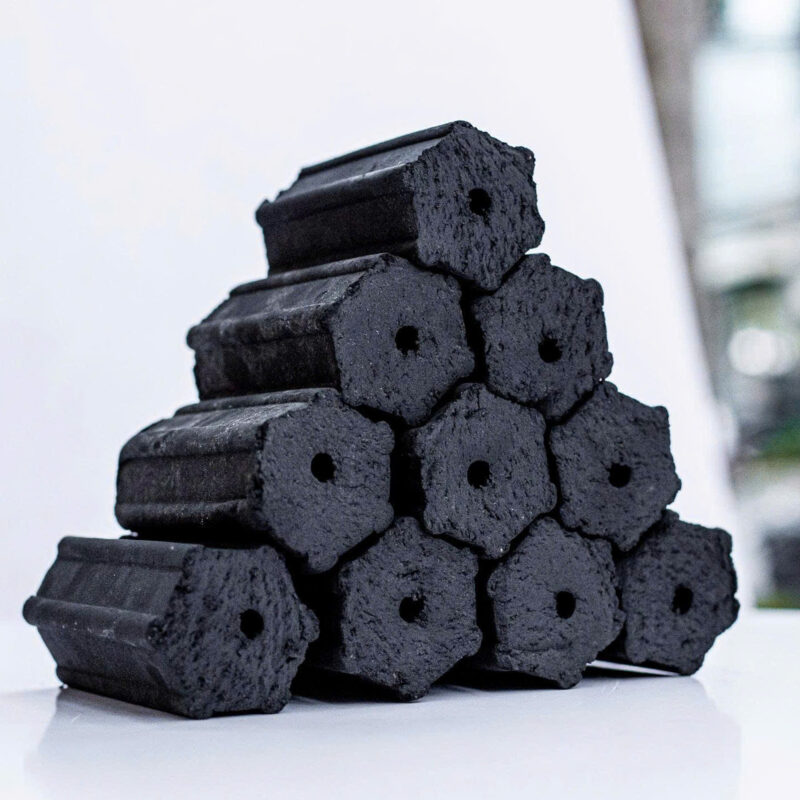
Manufactured sawdust briquettes are another option for Charcoal for Restaurant Grilling.
These products are commonly formed from compressed biomass materials and carbonized into defined shapes.
Hexagonal briquettes, for example, often feature six exterior faces and a longitudinal opening.
Unlike irregular lump charcoal, manufactured products can be specified using nominal dimensions, length ranges and tolerances.
This can be useful for distributors supplying customers with consistent packaging and product-format requirements.
However, shape consistency does not guarantee chemical consistency.
Buyers should verify moisture, ash, fixed carbon and other agreed characteristics.
Physical integrity is also important. A briquette may meet the required dimensions before shipping but arrive with broken sections after handling.
Potential fit: Restaurants and foodservice distributors seeking a manufactured charcoal format with defined dimensions.
Coconut Charcoal for Restaurants: What Should Buyers Know?
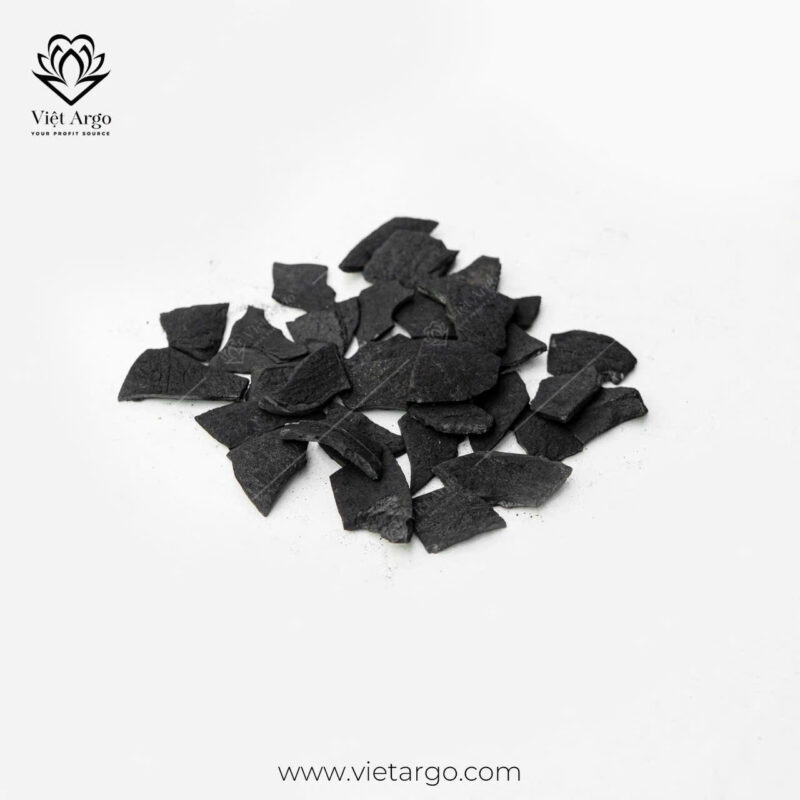
Coconut Charcoal for Restaurants is often discussed alongside other manufactured charcoal categories.
Coconut shell charcoal can be processed into briquettes with specified shapes and dimensions.
However, not every coconut charcoal briquette is designed or documented for foodservice grilling.
Some coconut charcoal products are specifically marketed for hookah or shisha applications.
A buyer should not assume that a product intended for another use is automatically appropriate for food preparation.
For restaurant purchasing, the supplier should identify the intended application, composition and applicable technical requirements.
Where binders or other ingredients are used, their suitability for the intended barbecue application also needs consideration.
Coconut-based charcoal may be worth evaluating when a restaurant or distributor seeks a particular manufactured shape, but its performance must be established through product-specific evidence.
Potential fit: Foodservice buyers sourcing coconut shell charcoal briquettes specifically intended and documented for grilling.
Lump Charcoal vs Briquettes: Which Is Better for Restaurant Operations?
The Lump Charcoal vs Briquettes comparison is often presented as a simple contest between natural and manufactured products.
In practice, the choice is more nuanced.
Natural lump charcoal offers irregular shapes associated with the original wood material.
Manufactured briquettes provide shapes created through a forming process.
Neither characteristic alone determines the best fuel for a restaurant.
A restaurant prioritizing a particular natural wood-charcoal format may prefer lump charcoal.
Another business may value the defined dimensions of manufactured briquettes.
However, buyers should evaluate the actual sample, not assume the category determines fuel quality.
For multi-location restaurant chains, consistent specifications may be especially important because purchasing teams need to supply comparable products across different locations.
The Best Charcoal for Restaurants is ultimately the product that meets the established technical and commercial requirements of the business.
Long Burning Charcoal: What Does the Claim Mean?
Long Burning Charcoal is a common marketing term, but its meaning is often unclear.
A supplier may advertise several hours of burning duration without specifying the test conditions, fuel quantity or evaluation method.
Such claims are difficult to compare directly.
A larger piece may contain more fuel than a smaller piece of similar composition and density. However, dimensions alone cannot reliably predict the duration or useful heat produced in every application.
The FAO explains that effective charcoal performance depends on both fuel quality and the equipment used.
For B2B purchasing, buyers should request evidence supporting any claimed duration.
Comparisons should use equivalent product quantities and relevant testing conditions.
A useful commercial question is not simply, “How many hours does this charcoal burn?”
It is whether the product provides reliable, usable performance for the restaurant’s actual requirements.
Low Smoke Charcoal: Is Smokeless Charcoal Really Possible?
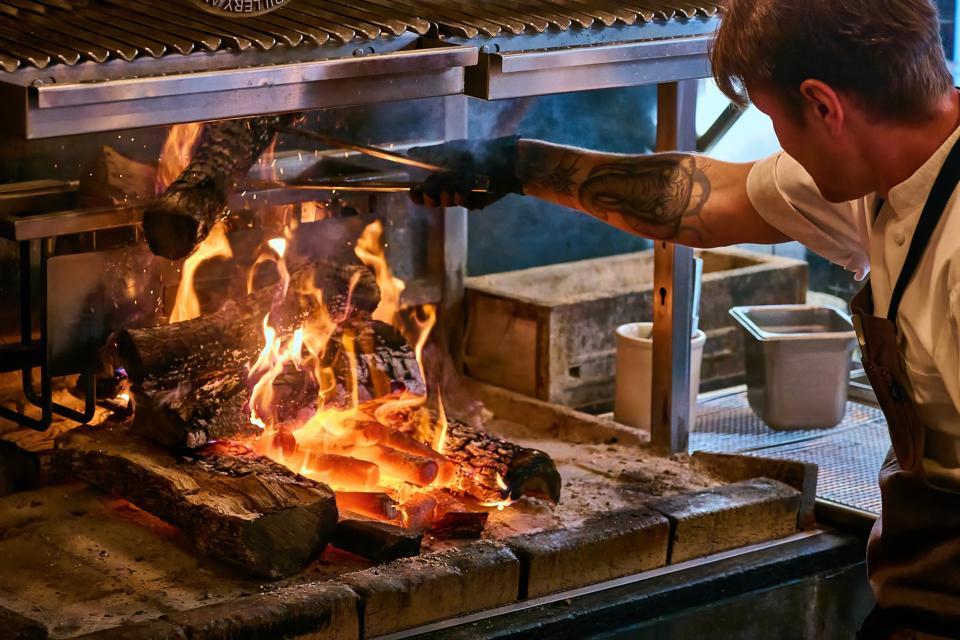
Low Smoke Charcoal is another phrase that requires careful interpretation.
The amount of visible smoke can be influenced by fuel composition, moisture, volatile matter and the food or other materials involved in the cooking environment.
The FAO explains that charcoal with higher volatile matter can produce more smoky flames, while low-volatile charcoal generally burns more cleanly.
However, a low-smoke claim does not establish that a product is emission-free.
Most importantly, low visible smoke does not mean low carbon monoxide emissions.
All charcoal-burning appliances produce combustion hazards, and restaurants must follow applicable fire, ventilation and occupational-safety requirements.
Buyers should avoid treating marketing terms such as “smokeless” as permission to use charcoal in unsuitable enclosed spaces.
For procurement purposes, product claims should be supported by relevant technical evidence and assessed separately from the restaurant’s safety obligations.
Restaurant Grade Charcoal and Technical Standards
Restaurant Grade Charcoal can be a useful description, but buyers should distinguish marketing grades from recognized technical requirements.
EN 1860-2:2023 is a European standard covering barbecue charcoal and barbecue charcoal briquettes.
It recognizes restaurant charcoal as charcoal with particle-size characteristics adapted to larger barbecues and professional applications.
For barbecue lump charcoal within its scope, the standard specifies minimum fixed carbon of 75% on a dry basis, maximum ash of 8% on a dry basis and maximum total moisture of 8%. The requirements for briquettes differ.
Importers should not assume that a product automatically complies simply because its supplier calls it restaurant grade.
Appropriate testing and product documentation are needed to support technical claims.
A buyer may also establish additional contractual specifications for dimensions, broken pieces and packaging.
These commercial requirements should be clearly distinguished from any statement of conformity to a recognized standard.
Wholesale Restaurant Charcoal: Comparing the Real Purchase Cost
For Wholesale Restaurant Charcoal, the purchase price per metric ton should be evaluated alongside product conformity.
A cheaper shipment may provide less commercial value if it contains a larger proportion of pieces outside the agreed size range.
The following example illustrates the difference.
| Purchasing factor | Product A | Product B |
|---|---|---|
| Hypothetical price | $600/MT | $640/MT |
| Contract-conforming material | 90% | 98% |
| Cost per conforming MT | $666.67 | $653.06 |
Illustrative calculations only. Not actual market prices or Vietargo quotations. Assumes nonconforming material has no recoverable value and excludes other costs.
Despite its higher purchase price, Product B has the lower cost per conforming metric ton in this example.
This is why restaurant suppliers should compare more than nominal prices.
Packaging, shipment quantities, inspection results and repeat-order consistency also matter.
Choosing a Charcoal Supplier for Your Restaurant Market
Before requesting a wholesale quotation, buyers should identify the restaurant segment they serve and the product characteristics that matter most.
The supplier inquiry should describe the charcoal type, dimensions, technical specifications, estimated order quantity and destination.
Buyers should also request information about available quality documentation and applicable packaging options.
Vietargo operates in Vietnam’s charcoal export industry. For buyers considering charcoal supplied by Vietargo, a clearly defined purchasing inquiry can help establish which products and commercial terms require confirmation.
Specific product specifications, availability, prices and supplier capabilities should always be verified for the proposed transaction.
Conclusion: What Is the Best Charcoal for Restaurants?
There is no single Best Charcoal for Restaurants that meets every foodservice requirement.
Mangrove charcoal and hardwood lump charcoal may suit buyers looking for natural charcoal formats, while manufactured sawdust and coconut shell briquettes may appeal to customers seeking defined shapes.
However, these categories do not guarantee particular burning times, smoke levels or technical performance.
For restaurant importers and distributors, the strongest purchasing decisions are based on verified specifications, appropriate product use, commercial consistency and the customer’s actual requirements.
The best restaurant charcoal is not simply the product advertised as the hottest or longest-burning. It is the charcoal that reliably meets the intended restaurant’s quality, operational and purchasing needs.
VIETARGO – THE BEST CHARCOAL OF THE WORLD TO YOUR SHELF
Website : https://vietargo.com/
Facebook : Vietargo
địa chỉ : 10 Nguyen Hien Street, 91B Residential Area, Can Tho, Vietnam
☎: 0939364888