

Container Freight Trends in Late 2026: Implications for Charcoal Imports
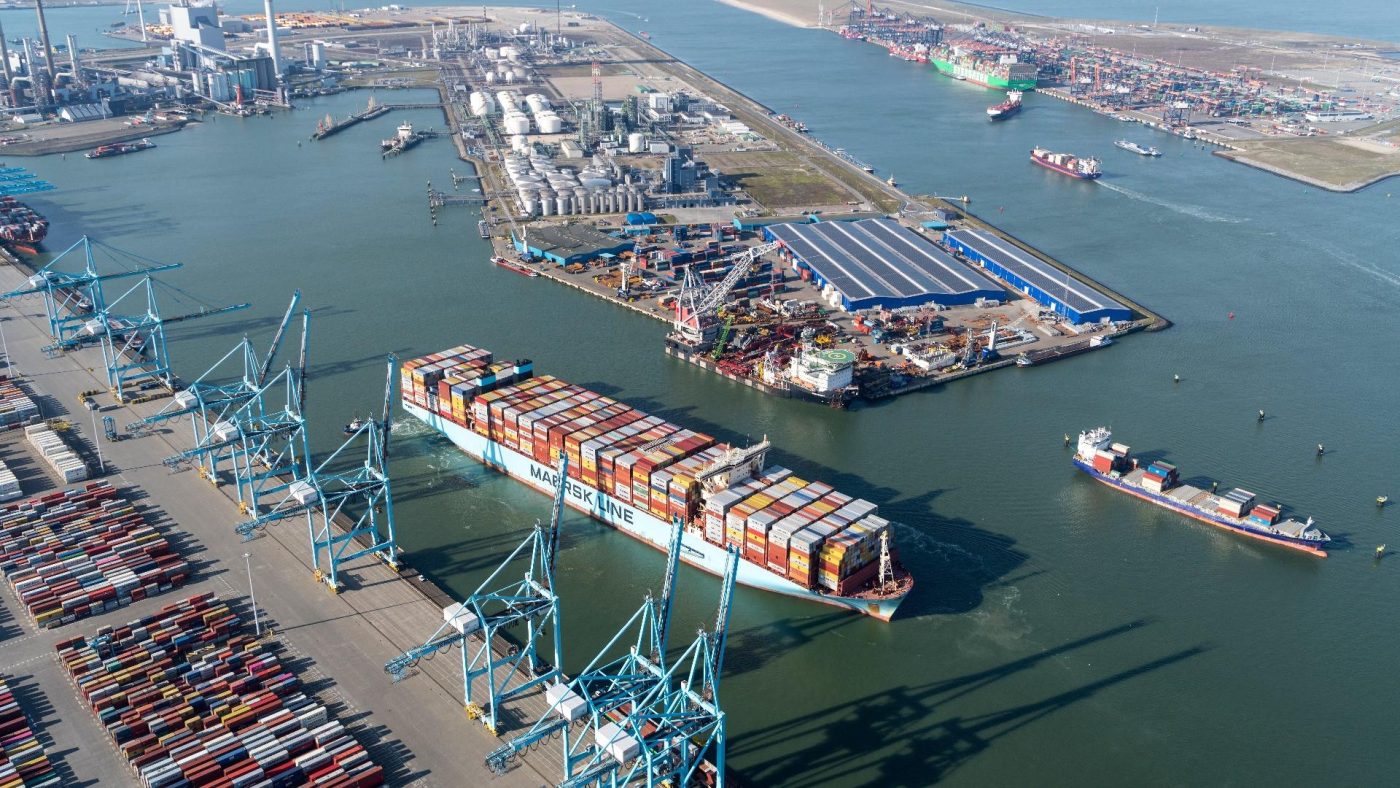
International container shipping is a major component of the global charcoal import supply chain. ALT: container freight rates 2026 – international container freight market and charcoal logistics.
Container freight rates 2026 remain an important consideration for charcoal importers, wholesale distributors and international trading companies. As the final months of 2026 approach, changes in ocean freight pricing, shipping capacity and maritime regulations are influencing how businesses evaluate supply contracts and landed costs.
The global container market is experiencing different conditions across major trade routes. Some Asia–Europe and Transpacific shipping rates have recently increased, while available vessel capacity and regional demand continue to influence individual freight markets.
For companies importing barbecue charcoal, hardwood charcoal and manufactured charcoal briquettes, these developments have practical commercial implications.
Changes in Ocean Freight Rates 2026 can affect procurement budgets, contract negotiations, shipment schedules and inventory planning. However, charcoal imports also face requirements that do not apply to ordinary containerized cargo.
Understanding Container Freight Trends, dangerous goods requirements and the differences between freight benchmarks and actual carrier quotations can help buyers make more informed shipping decisions.
Container Freight Rates 2026: What Do the Latest Figures Show?
According to Drewry, the World Container Index (WCI) increased by 2% to US$4,585 per 40-foot container on October 22, 2026.
This represented the index’s second consecutive weekly increase and its highest level in approximately 15 weeks. The increase was supported by higher freight rates on Asia–Europe and Transpacific trade lanes.
Another important reference is the Freightos Baltic Global Container Index.
The weekly FBX series recorded approximately US$3,513 per forty-foot equivalent unit (FEU) on October 24, 2026, representing a 1.3% decrease from the previous weekly observation.
These figures demonstrate that container freight markets should not be evaluated using one benchmark alone.
The two indices cover different combinations of shipping routes and use different methodologies. Their values cannot be interpreted as competing quotations for the same shipment.
For businesses following Container Shipping Rates 2026, it is more useful to compare the movement of one consistent index over time than to compare unrelated index values.
Drewry World Container Index – USD per 40-foot container
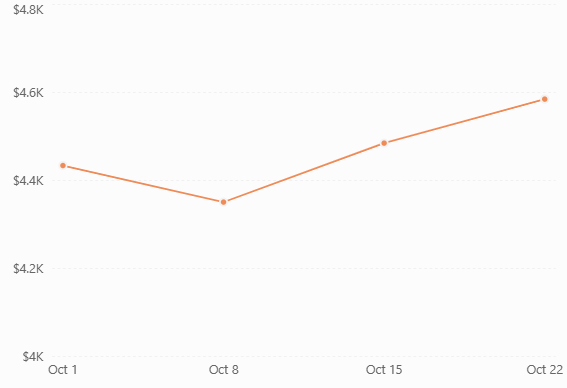
Selected October 2026 weekly observations. Source: Drewry WCI.
The recent recovery in the WCI suggests renewed pricing pressure on some major shipping routes.
However, a short-term increase does not establish that freight prices will continue rising throughout the remainder of 2026.
Ocean Freight Rates 2026: Major Shipping Routes Show Different Conditions
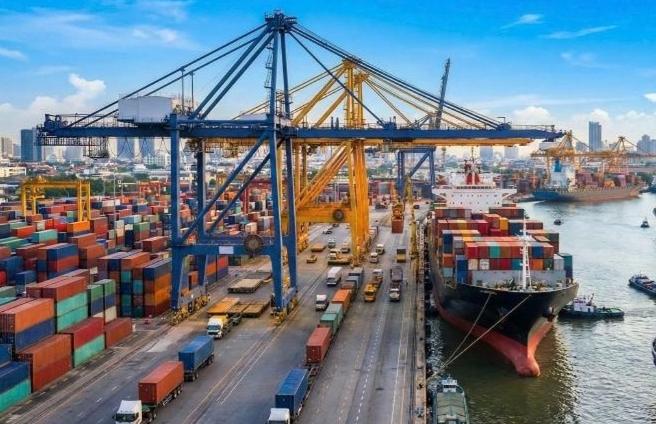
Freight rates vary substantially between shipping routes and destination markets. ALT: Ocean Freight Rates 2026 – Asia Europe and Transpacific container shipping.
International Freight Rates vary according to the origin port, destination port, vessel service, available capacity and prevailing demand conditions.
Drewry’s October 22, 2026 assessment reported the following rates for selected routes originating in Shanghai:
| Shipping route | USD per 40-foot container | Weekly movement |
|---|---|---|
| Shanghai – Los Angeles | $8,007 | +2% |
| Shanghai – New York | $10,166 | +1% |
| Shanghai – Rotterdam | $3,632 | +3% |
| Shanghai – Genoa | $4,152 | +5% |
These differences are significant for importers because they illustrate how geographically specific freight pricing can be.
For example, the Shanghai–New York benchmark was considerably higher than the Shanghai–Rotterdam benchmark during the same observation period.
However, the table should not be interpreted as a list of freight quotations available to charcoal exporters in Vietnam.
Freight Costs from Vietnam depend on the actual loading port, destination, carrier, container type and cargo acceptance conditions.
Shipping from southern Vietnam to a European destination may involve different prices, services and transshipment arrangements from those represented by the Shanghai benchmark.
This distinction matters when evaluating Global Container Shipping Costs, particularly for importers comparing sourcing options across different exporting countries.
What Is Driving Container Freight Trends in Late 2026?
Several factors are influencing Container Freight Trends during the final quarter of 2026.
According to Drewry’s October market assessment, higher bunker fuel costs, port congestion and reduced schedule reliability are creating operational and financial pressure.
At the same time, available vessel capacity and relatively stable demand are helping prevent a more uniform tightening of the market.
Carrier capacity management is another important factor.
Shipping lines may cancel scheduled services, commonly referred to as blank sailings, to adjust available capacity.
On October 22, Drewry reported that eight blank sailings had been announced for the following week on Asia–Europe services, compared with two during the current week.
On Transpacific services, the number of announced blank sailings was lower, falling from six to two.
These differences help explain why Sea Freight Rates 2026 may increase on one route while remaining stable on another.
The operational consequences extend beyond freight pricing.
Changes in vessel schedules can affect booking availability, transshipment connections and estimated arrival dates.
For charcoal importers, these factors may influence when goods arrive at distribution warehouses and whether sufficient stock remains available for customers.
Maritime routing is another consideration.
Drewry continues to monitor the gradual recovery of Suez Canal services and the relationship between Red Sea routing, shipping capacity and operational costs.
The commercial impact depends on the specific route rather than a uniform global adjustment.
Why Charcoal Shipping Costs Are Different From Standard Freight Rates
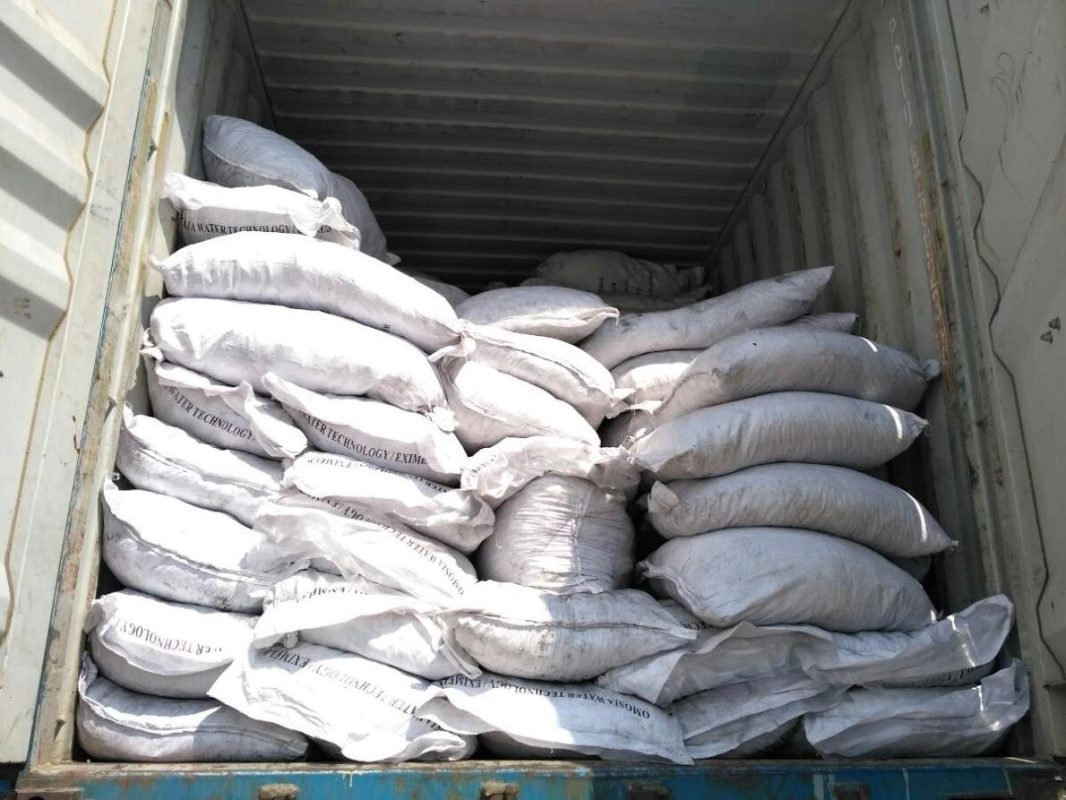
Charcoal cargo may require additional acceptance procedures and dangerous goods documentation. ALT: Charcoal Shipping Costs – charcoal export packaging and international logistics.
Charcoal Shipping Costs are influenced by an additional regulatory factor: charcoal’s classification under the international maritime dangerous goods framework.
Under the International Maritime Dangerous Goods (IMDG) Code, charcoal falling within UN1361, Class 4.2 is regulated because of its self-heating properties and the associated risk of spontaneous combustion.
The International Maritime Organization confirms that IMDG Code Amendment 42-24 became mandatory on January 1, 2026.
For charcoal shipments, this framework affects cargo declarations, acceptance procedures and other transport requirements.
Consequently, the total cost of moving a charcoal container may differ from a general cargo quotation for the same route.
Potential commercial cost categories include dangerous goods surcharges, documentation services, inspections and additional carrier acceptance requirements.
Hapag-Lloyd announced a Dangerous Goods Premium of US$250 or €210 per container in its published charcoal regulation notice, while indicating that further dangerous goods charges could apply.
This is a carrier-published surcharge, not a universal rate applicable to every shipping line or shipment.
Importers comparing Charcoal Shipping Costs should therefore confirm which charges are included in each quotation.
A low base freight rate does not automatically represent the lowest total transport cost.
For charcoal, the ability of a carrier to accept the shipment under the applicable dangerous goods classification is just as important as the initial freight price.
Charcoal Container Shipping and Carrier Acceptance Policies
Charcoal Container Shipping requires compliance with the relevant maritime regulations and the acceptance policies of the chosen shipping company.
Different carriers may impose additional conditions beyond the minimum applicable requirements.
In June 2026, Hapag-Lloyd announced updated acceptance requirements for UN1361, Class 4.2 charcoal shipments originating in Vietnam.
These included thermal protection conditions and a container-loading survey report from a carrier-nominated surveyor.
These requirements are specific to the carrier’s published policy and should not be treated as universal conditions for every shipping line.
For importers, such policies have several commercial implications.
First, not every available container service may be suitable for the intended charcoal shipment.
Second, cargo acceptance and documentary checks may affect the time required before a shipment can be confirmed.
Third, additional compliance-related costs may need to be considered alongside ocean freight.
These issues make Charcoal Container Shipping more complex than simply comparing freight quotations by price and transit time.
For businesses purchasing charcoal in bulk, transport planning should therefore form part of supplier evaluation and contract preparation.
Qualified dangerous goods and logistics professionals should determine the applicable compliance requirements for each shipment.
Freight Costs from Vietnam: Understanding the Full Cost Structure
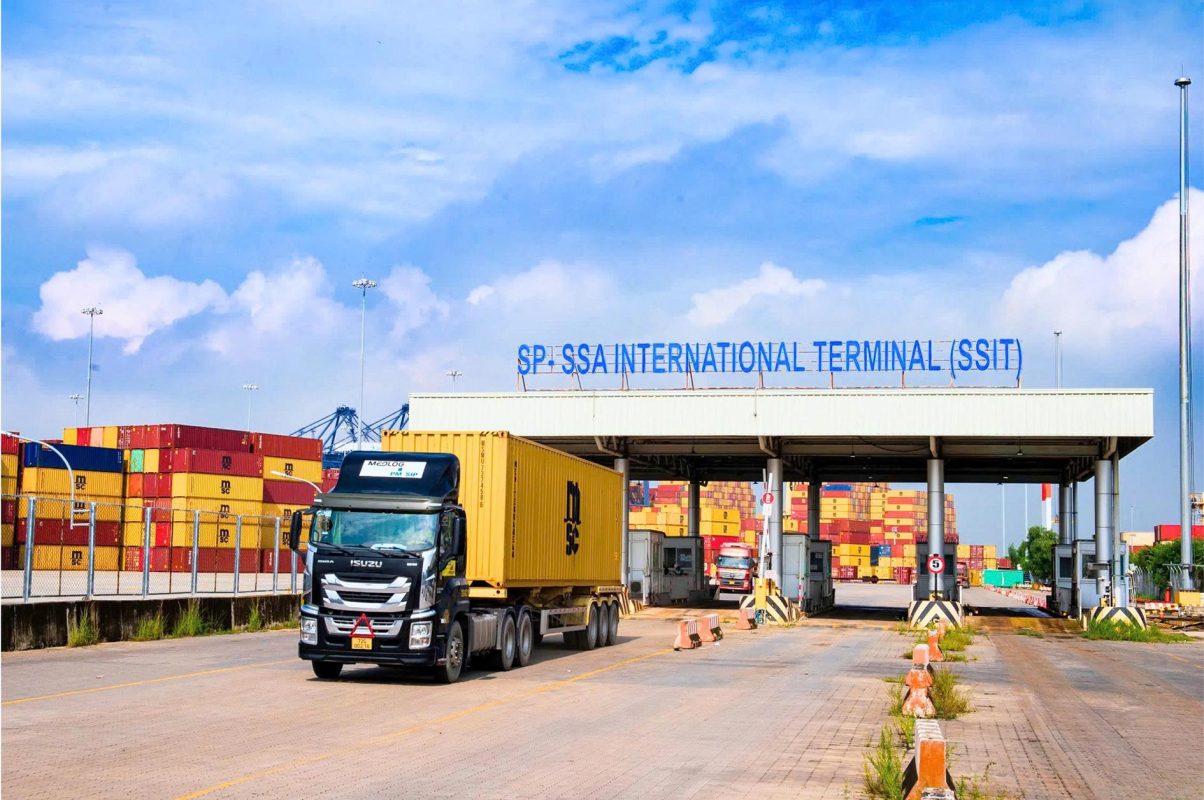
Inland transport and port-related charges contribute to total export logistics costs. ALT: Freight Costs from Vietnam – container trucking and seaport operations.
Freight Costs from Vietnam may include several different categories of expenses.
Depending on the sales contract and shipping arrangement, these can include inland transport, terminal handling, ocean freight, dangerous goods charges and destination-related services.
Importers should distinguish the quoted ocean freight from the total landed cost of their goods.
International commercial terms also determine which party is responsible for particular expenses and arrangements.
For example, under FOB terms, the buyer generally arranges the main ocean carriage, while the seller fulfills its obligations associated with delivery on board at the named port.
Under CIF terms, the seller contracts and pays for carriage and the required insurance to the named destination port.
However, CIF does not automatically mean every destination charge or import-related expense is included in the invoice price.
For this reason, comparisons of International Freight Rates must use equivalent commercial terms and service coverage.
A shipping quotation should identify its validity period, cargo description and relevant additional charges.
This is especially important when the commodity is charcoal, as dangerous goods acceptance conditions may differ between carriers.
How Freight Changes Affect Charcoal Import Costs per Ton
Changes in Ocean Freight Rates 2026 can influence the import cost of charcoal on a per-ton basis.
Consider a hypothetical shipment carrying 20 metric tons of charcoal in one container.
If the ocean freight charge increases by US$400 per container, the additional freight cost would equal US$20 per metric ton.
This calculation is an illustration only.
It does not establish the actual loading weight or transport cost for any commercial charcoal shipment. Actual permissible loads depend on equipment, cargo specifications and applicable transport requirements.
Nevertheless, the example shows why changes in Global Container Shipping Costs can matter even when product prices remain stable.
For wholesale importers, a higher freight cost per ton may reduce margins unless selling prices, commercial terms or other expenses change.
Additional storage costs and shipment delays can create further financial pressure.
The most useful cost comparison therefore combines product price, international freight, relevant compliance charges and destination expenses.
Container Freight Rate Forecast: What Could Happen Next?
A Container Freight Rate Forecast should be interpreted as a conditional market assessment rather than a guaranteed future price.
Drewry’s October 22 analysis expected Transpacific freight rates to remain relatively stable in the following week, supported by continuing US import demand and fewer announced blank sailings.
Asia–Europe services showed tighter available capacity in the near term because of additional planned blank sailings.
However, these observations do not establish the final freight rates for November or December 2026.
Several possible conditions could influence the market during the remaining months of the year.
If demand strengthens while available capacity becomes more restricted, upward freight pressure may continue.
If more capacity becomes available relative to cargo demand, prices may stabilize or decline.
Fuel costs, port congestion and changing maritime routes could also influence individual services.
For charcoal importers, the most practical approach to a Container Freight Rate Forecast is to consider more than one possible cost outcome.
A procurement budget based on a single optimistic freight assumption may not provide enough flexibility if shipping conditions change.
Why Vessel Schedules Matter Beyond Freight Prices
Price is only one aspect of container transport.
A shipment with a relatively low freight quotation may not provide commercial value if the service fails to meet the buyer’s distribution schedule.
This consideration is especially relevant for importers supplying wholesalers, retailers or restaurant customers with recurring demand.
Drewry’s October market signals identified weaker schedule reliability and port congestion as important operational pressures.
Importers should distinguish a carrier’s scheduled transit time from the actual availability of goods at the destination.
Delays may occur during transshipment, customs processing or final delivery.
For charcoal cargo, regulatory acceptance and documentation requirements can create additional scheduling considerations.
Therefore, evaluating Sea Freight Rates 2026 should include service reliability as well as price.
What Should Charcoal Importers Monitor in Late 2026?
The final months of 2026 present several issues worth monitoring for international charcoal buyers.
The first is the direction of freight rates on the actual trade lane used by the shipment.
The second is the availability of services that accept charcoal under the relevant dangerous goods classification.
The third is the overall cost of delivery, including carrier-specific charges and the commercial responsibilities established in the contract.
For buyers importing charcoal from Vietnam, Freight Costs from Vietnam should be reviewed using current quotations based on the actual origin, destination and cargo details.
Market indices provide useful benchmarks but cannot substitute for a confirmed shipping offer.
Vietargo operates in Vietnam’s charcoal export sector. As with any other charcoal supplier, buyers evaluating imports associated with Vietargo should assess product specifications, shipment information and transport arrangements before confirming their purchasing decisions.
Monitoring Container Shipping Rates 2026 alongside charcoal-specific shipping requirements can help businesses interpret price changes more accurately.
Conclusion
Container freight rates 2026 continue to reflect changing shipping capacity, regional demand and operational pressures across major global trade routes.
Drewry reported a World Container Index of US$4,585 per 40-foot container on October 22, 2026, while route-specific freight rates showed substantial differences between destinations.
However, these benchmarks do not directly represent freight quotations for charcoal exports from Vietnam.
For importers, Charcoal Shipping Costs also depend on dangerous goods requirements, carrier acceptance policies, documentation and other logistics expenses.
Understanding Container Freight Trends, comparing complete shipping quotations and monitoring route-specific developments are essential for making informed charcoal procurement decisions during the final months of 2026.

Sources & References
VIETARGO – THE BEST CHARCOAL OF THE WORLD TO YOUR SHELF
Website : https://vietargo.com/
Facebook : Vietargo
địa chỉ : 10 Nguyen Hien Street, 91B Residential Area, Can Tho, Vietnam
☎: 0939364888