

Lump Charcoal vs Briquettes: Which Is Better for Your BBQ?
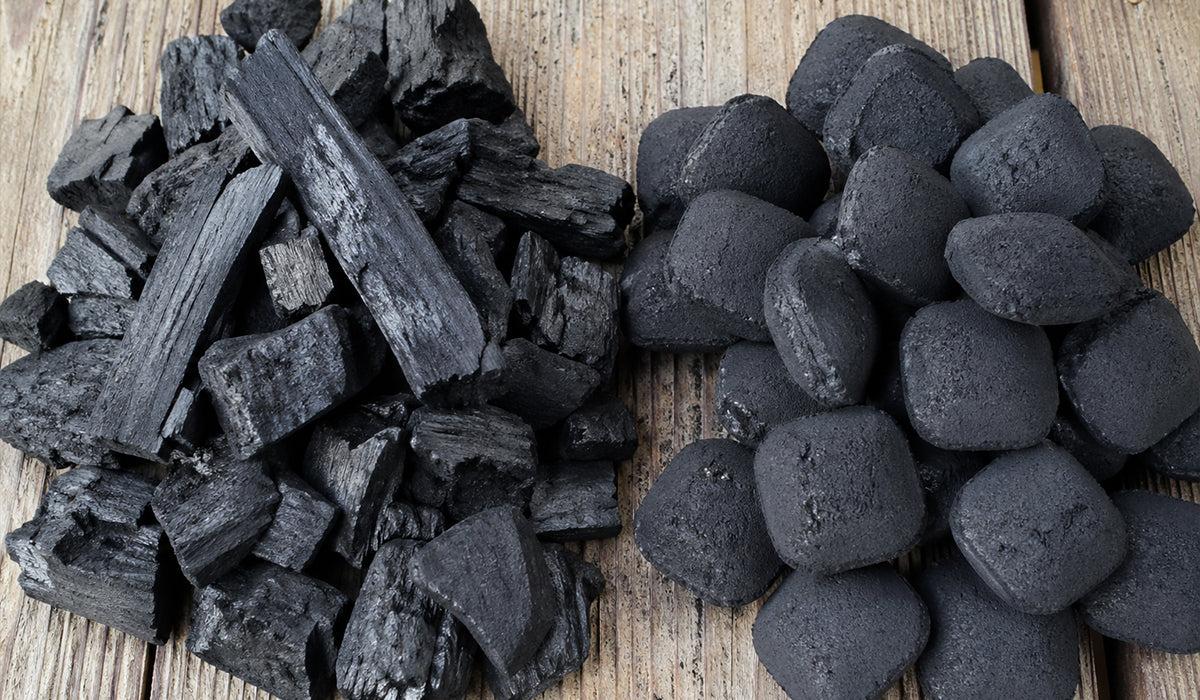
Natural lump charcoal and manufactured briquettes have different physical characteristics. ALT: Lump Charcoal vs Briquettes – BBQ fuel comparison.
Lump Charcoal vs Briquettes is a common comparison among barbecue enthusiasts, restaurant operators, wholesale distributors and international charcoal buyers. Both fuels provide heat for grilling, but they differ in composition, shape, heat behavior, burning duration and cost.
When searching for the Best Charcoal for BBQ, buyers often want to know which product burns hotter, lasts longer, produces less ash and offers better value.
However, there is no universal winner in Lump Charcoal vs Charcoal Briquettes. Performance depends on the specific product, charcoal quality, grill design and intended cooking application.
Understanding these differences helps businesses choose charcoal based on technical characteristics rather than general marketing claims.
What Is the Difference Between Lump Charcoal and Briquettes?
Lump Charcoal is produced by carbonizing natural wood. It typically retains the original wood structure and is supplied as irregularly shaped pieces.
Charcoal Briquettes are manufactured by forming carbonized material into relatively uniform shapes. Depending on the manufacturing process, briquettes may contain suitable binders or other ingredients.
Common charcoal briquette forms include pillow-shaped pieces, cylindrical briquettes and hexagonal charcoal sticks.
Weber explains that natural lump charcoal generally reaches high temperatures quickly, while conventional briquettes provide more uniform pieces and relatively consistent heat.
An important consideration in Natural Lump Charcoal vs Briquettes is that manufactured charcoal products are not all identical.
For example, coconut shell charcoal briquettes and carbonized sawdust briquettes can have different specifications from conventional pillow-shaped charcoal briquettes.
Lump Charcoal Benefits for BBQ Applications
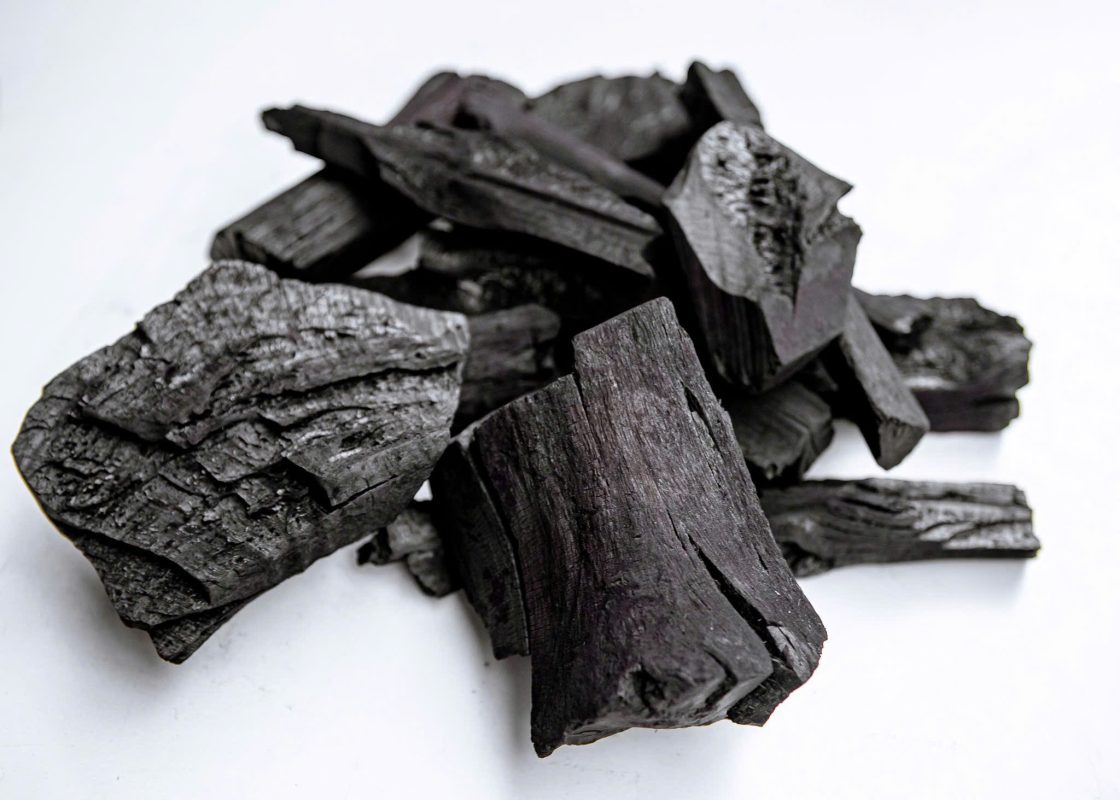
Natural lump charcoal retains irregular shapes and visible carbonized wood structures. ALT: Lump Charcoal Benefits – natural hardwood charcoal for BBQ.
Lump Charcoal Benefits are commonly associated with rapid heating, high-temperature performance and natural wood characteristics.
According to Weber, lump charcoal can reach grilling temperatures relatively quickly and respond noticeably to airflow adjustments.
These characteristics can be useful for applications where strong heat is a priority.
However, irregular piece sizes may cause differences in burning behavior within the same batch.
Smaller pieces can be consumed differently from larger pieces, and some products contain more fines than others.
For commercial buyers, Lump Charcoal Benefits should be evaluated alongside product dimensions, fixed carbon, moisture content and shipment consistency.
Not every hardwood lump charcoal product provides the same performance.
Charcoal Briquettes Benefits for Consistent Grilling
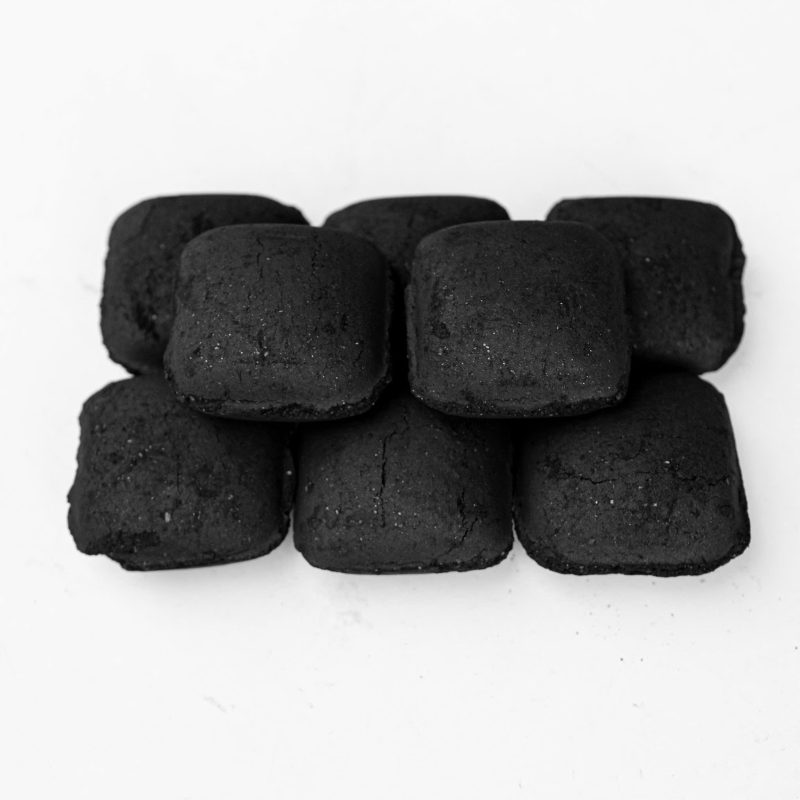
Manufactured briquettes offer relatively consistent shapes and dimensions. ALT: Charcoal Briquettes Benefits – uniform BBQ charcoal fuel.
Charcoal Briquettes Benefits are often associated with uniformity and predictable fuel characteristics.
Manufacturing processes allow briquettes to be produced in controlled shapes and dimensions.
This consistency can be useful for restaurants and other commercial operations that require repeatable fuel specifications.
Weber notes that conventional charcoal briquettes commonly maintain heat for longer periods than natural lump charcoal under the conditions described in its product guidance.
However, the composition of briquettes varies significantly.
Some products use compressed hardwood charcoal particles, while others are made from carbonized coconut shells or sawdust.
Binders and other ingredients may also influence physical durability and ash content.
Therefore, Charcoal Briquettes Benefits should be verified through product-specific specifications and relevant performance data.
Lump Charcoal vs Briquettes Heat: Which Burns Hotter?
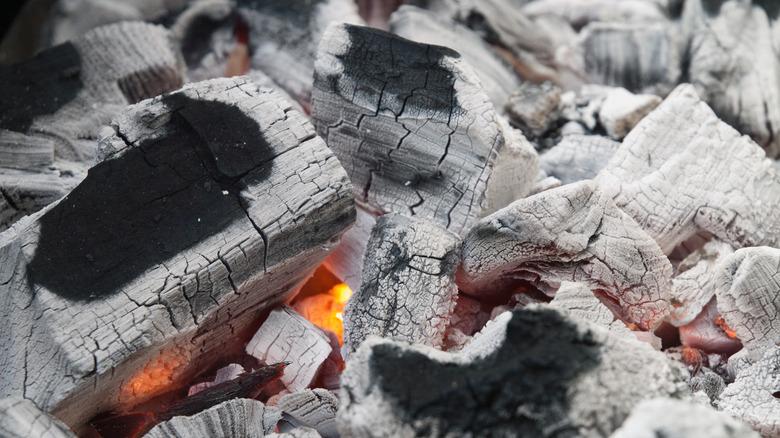
Grilling temperature depends on charcoal characteristics and equipment conditions. ALT: Lump Charcoal vs Briquettes Heat – charcoal heat performance.
Lump Charcoal vs Briquettes Heat is one of the most important comparisons for BBQ fuel selection.
Two measurements should be distinguished: calorific value and actual grill temperature.
Calorific value measures the energy available per unit mass of fuel, usually expressed in MJ/kg or kcal/kg.
Grill temperature depends on fuel characteristics, equipment design and operating conditions.
Consumer Reports compared two commercial charcoal products in controlled grill tests and found that the tested lump charcoal reached temperatures approximately 40–50°F (22–28°C) higher than the tested briquettes.
However, these findings apply to the products and testing conditions involved.
They do not prove that every lump charcoal product produces more heat than every manufactured briquette.
For buyers comparing Lump Charcoal vs Briquettes Heat, reliable product testing is more meaningful than generalized claims.
Lump Charcoal vs Briquettes Burn Time: Which Lasts Longer?
Lump Charcoal vs Briquettes Burn Time is particularly relevant to restaurants and businesses requiring predictable fuel consumption.
Conventional charcoal briquettes often provide more consistent burning characteristics because of their uniform shape and dimensions.
In Weber’s published product information, its premium lumpwood charcoal is described as burning for approximately 1.5 hours at 180°C, compared with approximately 3 hours for its briquettes.
These are manufacturer-specific figures and should not be treated as universal burning durations.
Actual Lump Charcoal vs Briquettes Burn Time depends on the product’s size, density, moisture, available fuel mass and testing conditions.
Certain dense manufactured briquettes may behave differently from traditional pillow-shaped products.
For wholesale buyers, burning-time claims should ideally identify the test conditions and product specifications.
Ash Content and Product Quality
Ash content is another consideration when comparing Lump Charcoal vs Charcoal Briquettes.
Natural hardwood lump charcoal is frequently marketed as a low-ash product compared with conventional briquettes.
However, the actual difference depends on raw materials, mineral content and briquette formulation.
Some manufactured briquettes may contain ingredients that increase ash content, while other products are designed with low-ash specifications.
EN 1860-2:2023 establishes separate quality requirements for barbecue charcoal and barbecue charcoal briquettes, reflecting differences between these categories.
When evaluating the Best Charcoal for BBQ, buyers should review laboratory results for ash, fixed carbon, moisture and other applicable technical parameters.
A low-ash claim without supporting data does not establish overall product quality.
Lump Charcoal vs Briquettes Cost: Which Offers Better Value?
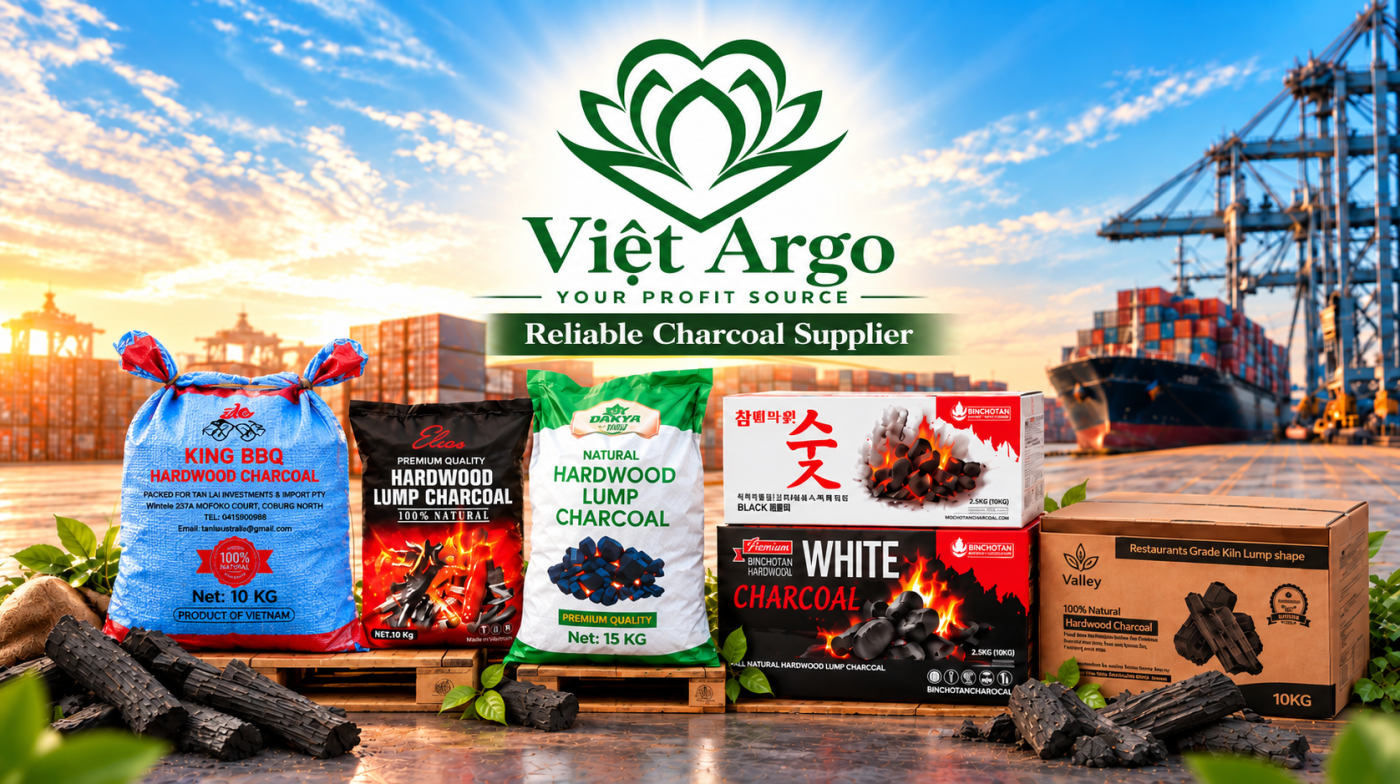
Fuel value should be assessed using quality, consumption and total purchasing costs. ALT: Lump Charcoal vs Briquettes Cost – commercial BBQ fuel comparison.
Lump Charcoal vs Briquettes Cost involves more than comparing retail or wholesale prices per kilogram.
Conventional briquettes may be less expensive than premium natural lump charcoal in some markets.
However, specialty charcoal briquettes manufactured from high-grade materials may be priced differently.
For reference, a 2018 Consumer Reports comparison listed two specific charcoal products at approximately US$0.54/lb and US$1.25/lb. Those historical prices do not represent current 2026 market quotations.
Commercial buyers should consider product quality, fuel consumption, packaging, breakage and logistics costs.
For international importers, freight terms and total landed costs are also important.
A lower unit price does not automatically indicate better long-term value.
Therefore, Lump Charcoal vs Briquettes Cost should be evaluated using equivalent product specifications and actual commercial requirements.
Lump Charcoal vs Briquettes for Grilling: Which Suits Different Applications?
The choice between Lump Charcoal vs Briquettes for Grilling depends on the type of cooking operation.
Natural lump charcoal may be suitable for applications prioritizing rapid temperature response and high-heat performance.
Conventional charcoal briquettes may be preferable when consistency and extended heat retention are important.
University of Kentucky educational material also distinguishes these two fuels according to burning characteristics and typical grilling applications.
However, restaurants may use different types of charcoal for reasons related to grill design, product availability and operating requirements.
Lump Charcoal vs Briquettes for Grilling should therefore be considered in the context of the actual equipment and fuel specifications.
No single charcoal category is automatically the best choice for every restaurant or grilling application.
Natural Lump Charcoal vs Briquettes: What Should Importers Check?
International buyers comparing Natural Lump Charcoal vs Briquettes should consider measurable quality parameters.
Important information may include fixed carbon, moisture, ash content, volatile matter, dimensions, fines content and product composition.
For manufactured briquettes, the type of raw material and any binders should also be reviewed.
Buyers should request suitable laboratory reports and verify whether the tested samples represent the products being purchased.
The EN 1860-2:2023 standard provides separate requirements for barbecue charcoal and barbecue charcoal briquettes, making correct product classification important when evaluating conformity.
For repeated bulk purchases, shipment consistency can be just as important as the performance of an initial sample.
Which Is Better Lump Charcoal or Briquettes?
Which Is Better Lump Charcoal or Briquettes does not have one answer for every buyer.
If high-temperature performance and natural hardwood fuel characteristics are the main priorities, lump charcoal may be appropriate.
If consistent dimensions and predictable burning characteristics are more important, manufactured briquettes may offer advantages.
However, specialized coconut shell or sawdust charcoal briquettes should be assessed according to their actual product data rather than assumptions about conventional briquettes.
Vietargo operates in Vietnam’s charcoal export industry. As with any supplier, charcoal products associated with Vietargo should be evaluated using documented specifications, product samples and relevant quality information.
Ultimately, the Best Charcoal for BBQ is the product that meets the customer’s requirements for performance, reliability and cost.
Conclusion
Lump Charcoal vs Briquettes is a comparison between two charcoal categories with different manufacturing characteristics and commercial applications.
Lump Charcoal Benefits often include high-temperature performance and natural hardwood characteristics, while Charcoal Briquettes Benefits frequently include uniform shapes and consistent burning behavior.
However, Lump Charcoal vs Briquettes Heat, Lump Charcoal vs Briquettes Burn Time and overall costs vary between products.
For international buyers and restaurant operators, choosing the Best Charcoal for BBQ requires evaluating verified technical specifications, intended applications and total purchasing value rather than assuming one fuel type is always superior.
Sources & References
VIETARGO – THE BEST CHARCOAL OF THE WORLD TO YOUR SHELF
Website : https://vietargo.com/
Facebook : Vietargo
địa chỉ : 10 Nguyen Hien Street, 91B Residential Area, Can Tho, Vietnam
☎: 0939364888