

EU Deforestation Regulation 2026: What Charcoal Importers Need to Know

Charcoal Requirements for the European Union are changing under the EU Deforestation Regulation 2026 (EUDR). The regulation introduces important obligations concerning raw material origin, legal production and supply chain traceability for products covered by its scope, including certain charcoal products.
For international importers, understanding EUDR Charcoal Compliance is essential when evaluating sourcing arrangements and preparing for the regulation’s implementation.
Natural hardwood charcoal, mangrove charcoal, sawdust charcoal briquettes and certain shell-based charcoal products may fall within HS heading 4402. However, the applicable obligations depend on the product classification, raw material and legal scope.
What Is the EU Deforestation Regulation 2026?
The EU Deforestation Regulation 2026 refers to the implementation of Regulation (EU) 2023/1115, as subsequently amended.
Its objective is to reduce deforestation and forest degradation associated with products placed on the EU market or exported from the EU.
The regulation covers seven commodities: cattle, cocoa, coffee, oil palm, rubber, soya and wood, together with specified derived products.
For products within its scope, the EUDR establishes three central conditions: they must be deforestation-free, produced in accordance with relevant legislation in the country of production and covered by the required due diligence statement or applicable declaration.
EUDR Wood Charcoal is particularly relevant to the charcoal industry because compliance involves more than ordinary commercial documentation.
Importers must understand how charcoal is classified, where its raw materials originate and which parties are responsible for demonstrating compliance.
Does EUDR Apply to Charcoal Under HS Code 4402?
Annex I of the EUDR includes ex 4402 – Wood charcoal (including shell or nut charcoal), whether or not agglomerated.
This makes EUDR Charcoal HS Code 4402 an important starting point when assessing whether charcoal products are covered.
Relevant products may include natural hardwood charcoal, charcoal derived from wood and certain shell or nut charcoal products classified under the applicable heading.
However, the prefix ex indicates that the precise product scope must be checked. Not every product associated with HS heading 4402 should automatically be assumed to have identical obligations.
Importers should verify product classification, material composition and any applicable exclusions before determining the relevant Charcoal Requirements.
The consolidated EU legal text dated September 18, 2026, confirms the current wording of the wood product category.
When Will EUDR Apply to Charcoal Importers?
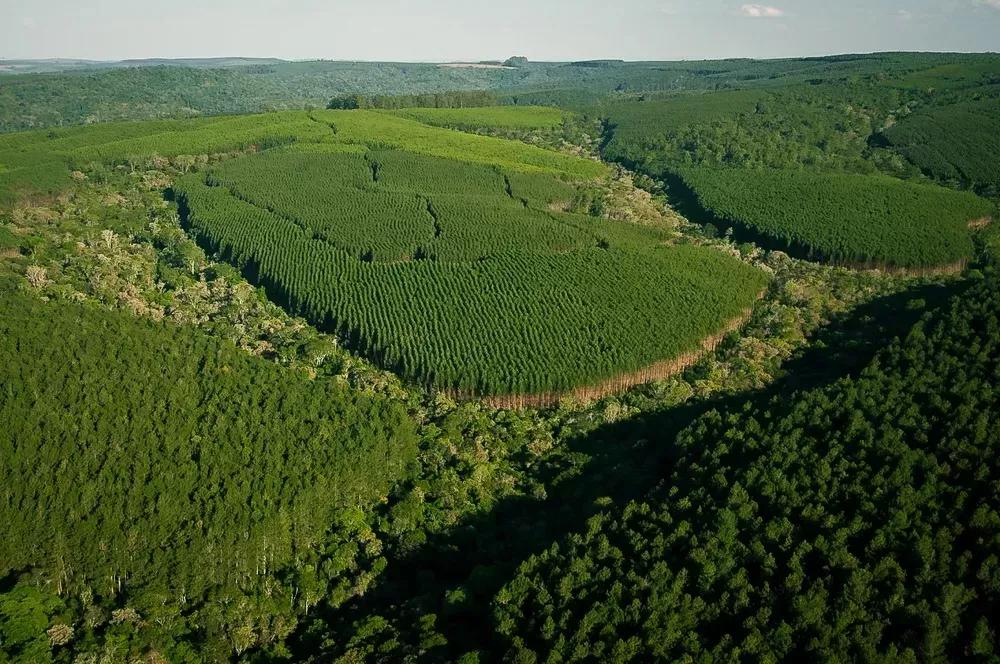
Following amendments adopted in December 2025, the European Union postponed the application of the EUDR and introduced measures intended to simplify certain administrative obligations.
According to the European Commission, the main application dates are:
December 30, 2026: Large and medium-sized operators, as well as micro and small operators already covered by the former EU Timber Regulation.
June 30, 2027: Most other micro and small operators.
These dates are important for businesses managing Charcoal Import Compliance EU.
The applicable deadline depends on the legal status, size and activities of the relevant business.
The postponement does not remove the regulation’s fundamental requirements regarding deforestation-free production and legal sourcing.
For this reason, importers should evaluate their responsibilities before the applicable date rather than assuming that all businesses have until June 2027 to prepare.
EUDR Requirements for Charcoal Importers
EUDR Requirements for Importers extend beyond conventional customs procedures.
For covered charcoal products, the regulation establishes obligations concerning due diligence, traceability and supporting documentation.
EUDR Due Diligence
EUDR Due Diligence involves collecting relevant information, assessing the risk of non-compliance and applying risk mitigation measures where necessary.
For operators responsible for due diligence, the process must establish whether the product meets EUDR requirements concerning deforestation, forest degradation and applicable legislation in the country of production.
The key cut-off date is December 31, 2020.
Products must satisfy the relevant deforestation-free criteria associated with that date, as defined by the regulation.
Following the December 2025 amendments, responsibility for submitting a due diligence statement is generally concentrated on the first operator placing a relevant product on the EU market.
Downstream operators and traders are subject to different obligations depending on their role, business size and circumstances. They are no longer automatically required to submit a separate due diligence statement for products already covered upstream.
EUDR Traceability Requirements

EUDR Traceability Requirements are designed to connect covered commodities and products to their relevant places of production.
For charcoal derived from wood, traceability may involve information about harvesting locations, raw material origin, production periods and supporting legal records.
Geolocation is a central element of the EUDR framework.
It enables operators to assess the geographical origin of relevant raw materials and evaluate whether production is associated with prohibited deforestation or forest degradation.
When raw materials are sourced from multiple production areas, traceability systems must account for the relevant locations.
Providing only the exporting country’s name or processing factory address is generally insufficient to satisfy requirements for production-site geolocation.
For importers, reliable EUDR Traceability Requirements information depends on cooperation across the supply chain, including raw material suppliers, manufacturers and exporters.
EUDR Documentation Requirements
EUDR Documentation Requirements involve collecting and maintaining information necessary to demonstrate compliance with the regulation.
Relevant information may include product descriptions, quantities, country of production, raw material origin, geolocation data and evidence supporting legal production.
Where required, an operator submits a Due Diligence Statement through the EU EUDR Information System.
The amendments introduced in 2025 and supporting measures adopted in 2026 simplified certain obligations for downstream businesses.
For example, downstream operators and traders are not generally required to submit their own due diligence statements for relevant products that have already been covered by upstream due diligence.
Nevertheless, record-keeping, information collection, registration or verification duties may continue to apply depending on the operator’s role and circumstances.
Therefore, EUDR Requirements for Importers should be determined by the business’s actual legal role rather than by a general description such as importer, wholesaler or distributor.
How EUDR May Affect the Charcoal Supply Chain
EU Charcoal Import Regulations may influence how international buyers evaluate charcoal sourcing arrangements.
Traditionally, commercial purchasing decisions often focus on product characteristics such as fixed carbon, moisture, ash content, price and delivery conditions.
Under the EUDR, buyers handling products within its scope must also consider raw material traceability and the legal origin of production.
Supply chains involving several raw material collectors, processors and trading companies may face additional challenges in connecting finished products to their original production locations.
This is particularly relevant for charcoal made from wood sourced through multiple intermediaries.
Another important distinction concerns voluntary certification.
Forest management certifications or commercial quality reports may provide supporting evidence, but they do not automatically replace the legal obligations established by EUDR Charcoal Compliance.
Importers should therefore distinguish product certification, technical testing and statutory due diligence requirements.
How Can Charcoal Importers Prepare for EUDR Compliance?
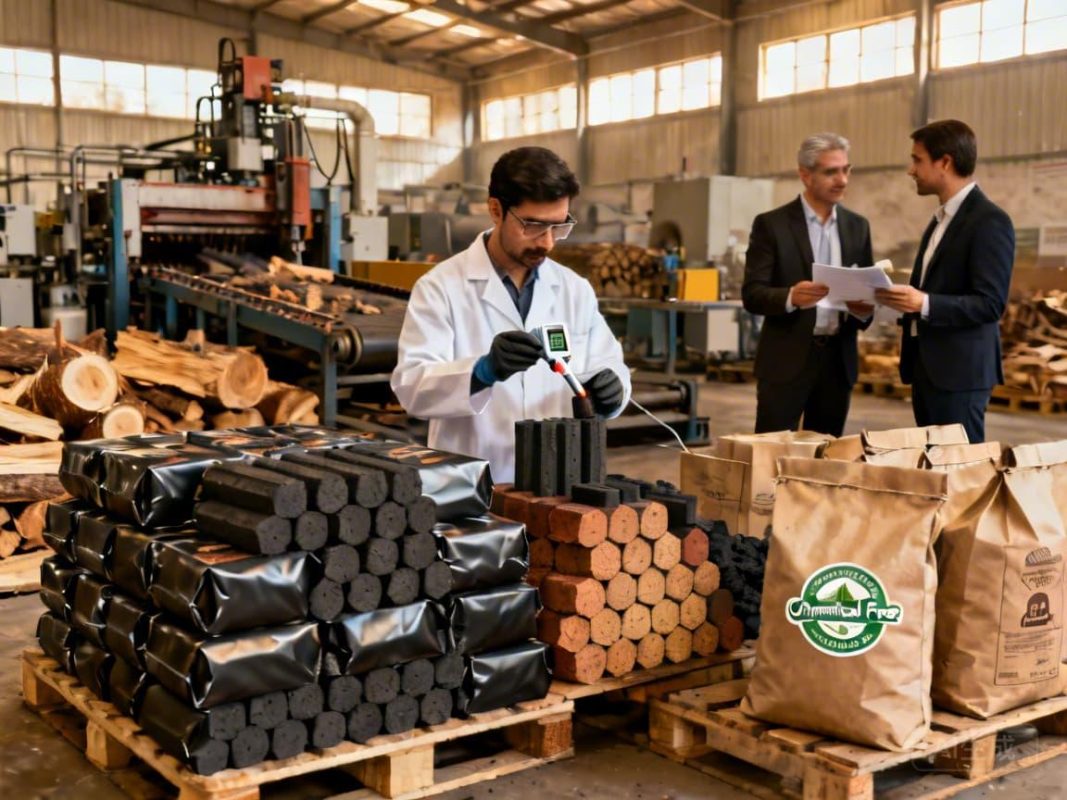
Preparing for Charcoal Import Compliance EU begins with understanding the product and the business’s position in the supply chain.
Importers should first establish whether the charcoal product is covered by the relevant EUDR classification, including EUDR Charcoal HS Code 4402.
The next consideration is raw material information. Product descriptions, sourcing records and geolocation data may be necessary to support traceability.
Businesses should also determine which legal entity is responsible for EUDR Due Diligence and whether a due diligence statement or another declaration is required.
Reviewing EUDR Documentation Requirements before entering commercial agreements may help identify information gaps in the supply chain.
For charcoal sourced from Vietnam or other non-EU countries, exporters and manufacturers may need to provide information to support their EU customers’ compliance activities.
However, the legal responsibility for EUDR compliance follows the roles established by the regulation and cannot simply be transferred through a commercial contract.
Why EUDR Compliance Matters for International Charcoal Trade
The implementation of the EU Deforestation Regulation 2026 represents a significant regulatory development for businesses involved in international charcoal trade.
Its requirements place greater emphasis on product origin, production legality and traceable sourcing.
For operators importing covered charcoal products, reliable information about raw materials becomes part of regulatory compliance rather than merely an additional commercial preference.
The regulation may also influence supplier selection, documentation practices and purchasing arrangements.
Understanding Charcoal Requirements early can help businesses identify compliance risks and make informed sourcing decisions.
Importantly, requirements should always be evaluated according to the applicable product category and the specific responsibilities of each supply chain participant.
Conclusion
Charcoal Requirements under the EU Deforestation Regulation 2026 introduce important considerations for international charcoal importers, particularly concerning source verification, due diligence and documentation.
EUDR Wood Charcoal, EUDR Traceability Requirements and EUDR Documentation Requirements must be understood in relation to the product’s classification and the operator’s legal responsibilities.
With the main application date approaching on December 30, 2026, businesses dealing with covered products should pay particular attention to the current regulatory framework.
Understanding EU Charcoal Import Regulations and applying the appropriate EUDR Due Diligence obligations can support more transparent sourcing and reduce regulatory risks in international charcoal trade.
Sources & References
VIETARGO – THE BEST CHARCOAL OF THE WORLD TO YOUR SHELF
Website : https://vietargo.com/
Facebook : Vietargo
địa chỉ : 10 Nguyen Hien Street, 91B Residential Area, Can Tho, Vietnam
☎: 0939364888