

Khaya Charcoal
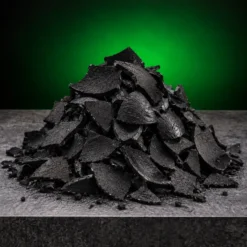
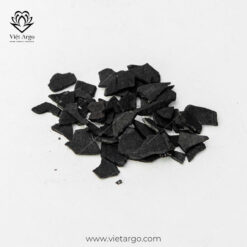
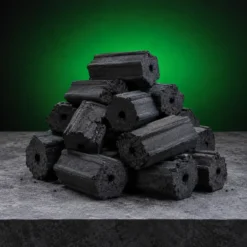
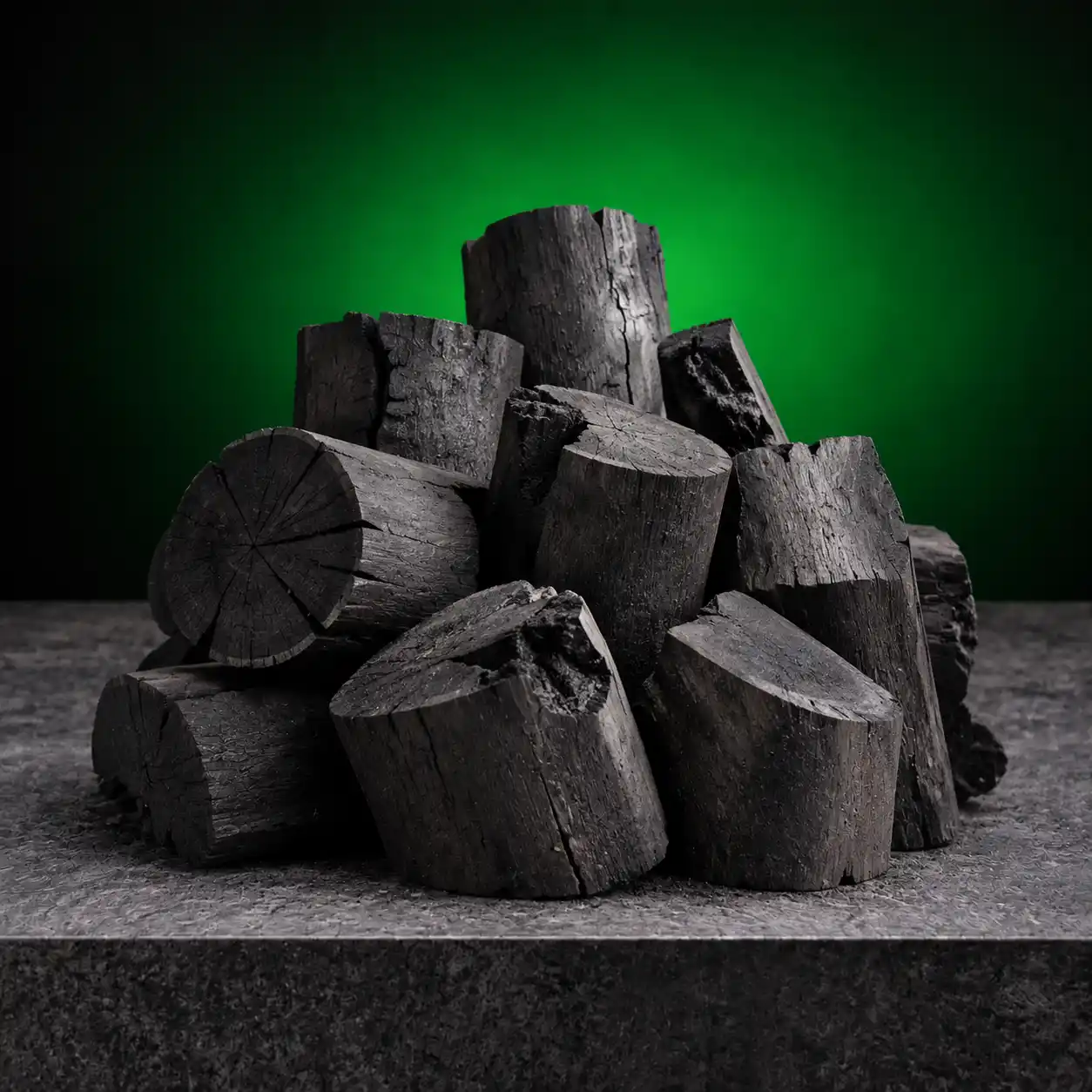
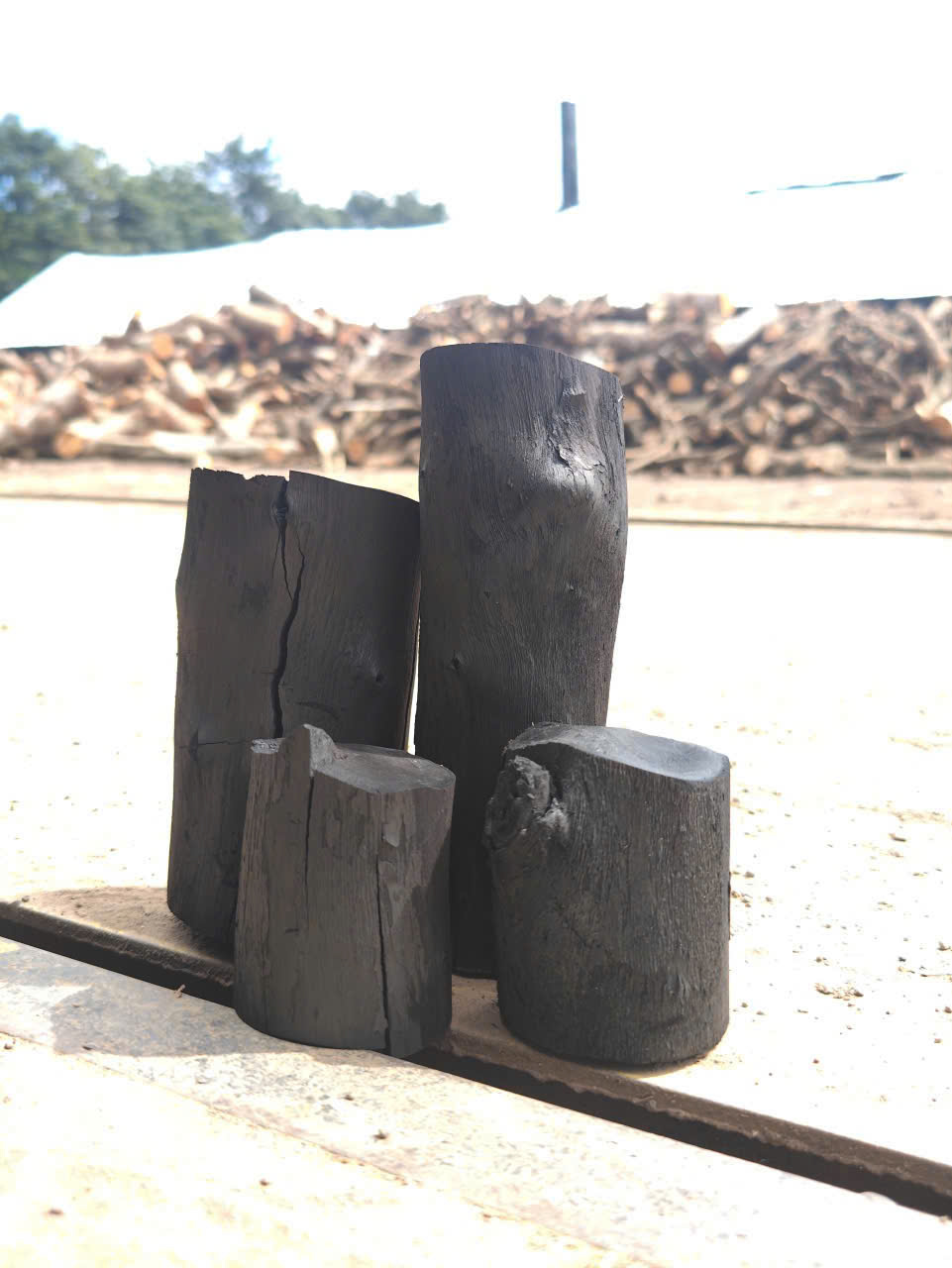
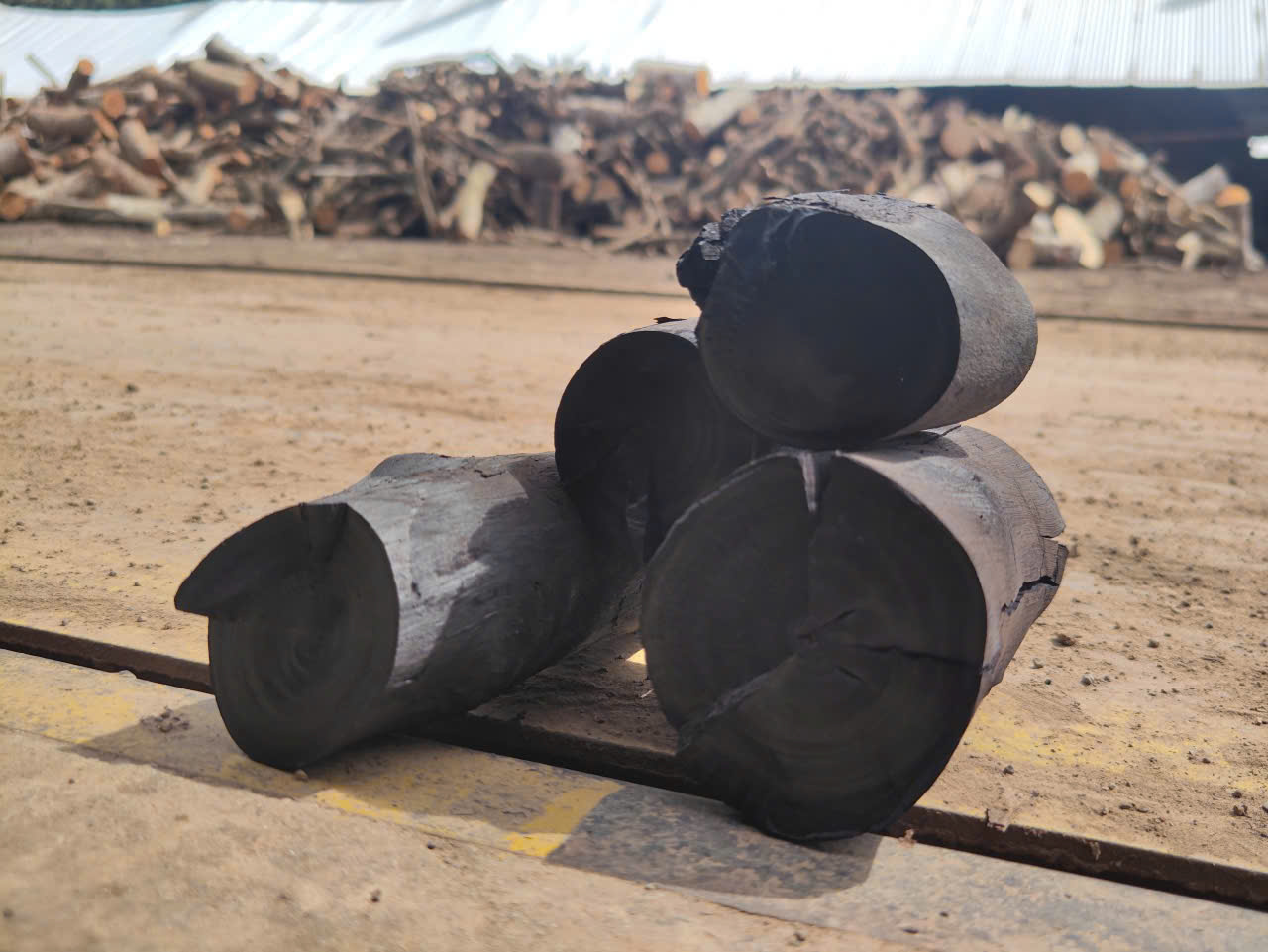
Khaya Charcoal is a type of natural wood charcoal produced from Khaya wood through a carbonization process while retaining the characteristic structure of natural wood charcoal. As a type of Khaya Wood Charcoal, the product can be classified into forms such as lump or stick depending on the specifications. Khaya Charcoal is used for BBQ, grilling, restaurants, as well as various charcoal trading and distribution applications.
Khaya Charcoal – Natural Khaya Wood Charcoal and Its Key Characteristics
Khaya Charcoal is a type of natural wood charcoal produced from Khaya wood through a carbonization process. In the international market, the product is also searched for under terms such as Khaya Wood Charcoal, Khaya Lump Charcoal, and Natural Khaya Charcoal, particularly within the charcoal fuel market for grilling and commercial applications.
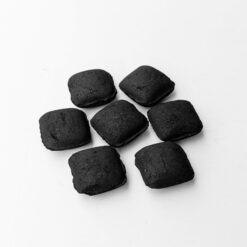
Unlike charcoal briquettes, which are shaped from processed materials, Khaya Charcoal retains the characteristics of natural wood charcoal after carbonization. Its raw material and natural structure give the product its distinctive identity within the hardwood charcoal category.
From Khaya Wood to Natural Wood Charcoal
Khaya is a genus of trees in the Meliaceae family, native to Africa and commonly known in the timber trade as African mahogany. Khaya wood has various applications, and some of the material can be used for charcoal production.
To produce Khaya Wood Charcoal, the wood undergoes carbonization under controlled-oxygen conditions. This process converts the wood material into carbon-rich charcoal that can be used as a fuel source.
In the Vietnamese charcoal market, Khaya Charcoal is generally classified as natural wood charcoal or hardwood charcoal. Specific classifications and standards may vary between manufacturers.
What Gives Khaya Charcoal Its Distinctive Characteristics?
Rather than focusing solely on the product name, Khaya Charcoal can be understood through three main factors: raw material, structure, and shape.
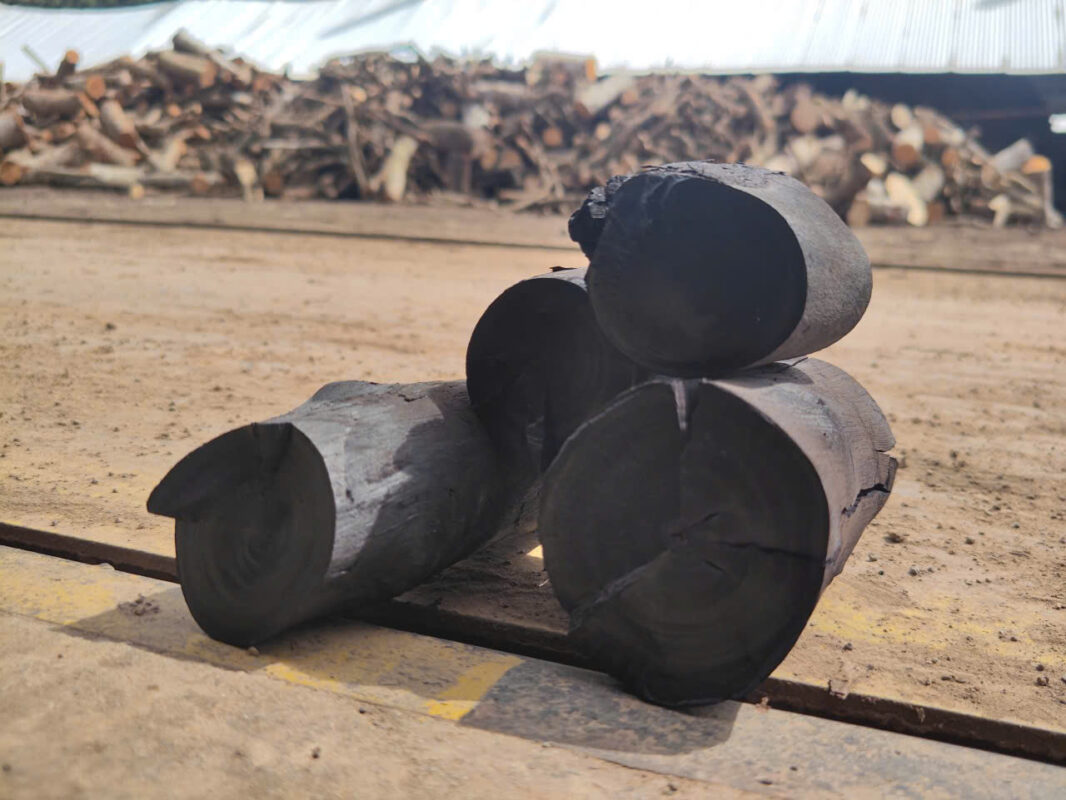
Khaya Wood as the Raw Material
The raw material distinguishes Khaya Charcoal from mangrove charcoal, eucalyptus charcoal, coffee wood charcoal, and other types of wood charcoal.
Many suppliers describe Khaya as a relatively dense wood and associate this characteristic with the formation of solid charcoal pieces after carbonization. However, actual burning performance also depends on raw material quality, the production process, and individual production batches.
Retains the Natural Wood Charcoal Structure
Natural Khaya Charcoal does not refer to charcoal that has been ground and recompressed into briquettes.
The product retains the charcoal structure formed directly from the wood during carbonization. As a result, individual pieces can naturally vary in shape.
Available in Lump or Stick Form
In commercial markets, Khaya Charcoal is often classified according to its shape and size.
Khaya Lump Charcoal emphasizes the natural lump form of the product, while some suppliers classify longer pieces as stick charcoal.
The appropriate form depends on the cooking equipment, intended application, and requirements of the target market.
Khaya Hardwood Charcoal from a User’s Perspective
When selecting charcoal for grilling, buyers often focus more on practical performance than simply on the type of wood.
Current Khaya Charcoal product information commonly refers to heat output, heat retention, smoke, odor, ash, and sparking as important factors when evaluating charcoal.
These are also relevant considerations when selecting Khaya Hardwood Charcoal.
However, these characteristics depend directly on the carbonization process and the quality of each specific product. Therefore, claims such as “4–5 hours burning time,” “7,500 kcal/kg,” or a specific fixed carbon percentage should not automatically be applied to all Khaya Charcoal products.
When Khaya Charcoal Meets the Grill
BBQ and grilling are among the common applications for Khaya Charcoal in today’s market.
Khaya BBQ Charcoal can be used with suitable charcoal grills, ranging from conventional grilling applications to professional food service operations.
For restaurants, charcoal selection may involve factors such as the ability to maintain the required heat zones, smoke, ash, charcoal piece size, and ease of handling during kitchen operations.
For outdoor cooking, Khaya Charcoal for Grilling can be arranged into different heat zones depending on the equipment and cooking method.
For this reason, “charcoal for BBQ” is more than simply an application stated on the packaging. The type of grill and cooking method should also be considered when selecting charcoal dimensions and specifications.
What Is the Difference Between Khaya Lump Charcoal and Charcoal Briquettes?
The clearest difference lies in how the products are formed.
Khaya Lump Charcoal is produced directly through the carbonization of Khaya wood and retains the natural shape of the original material.
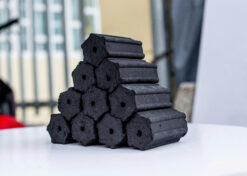
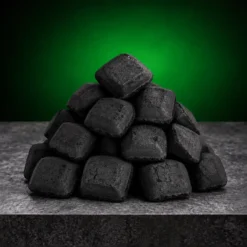
Charcoal briquettes, on the other hand, are generally produced from processed charcoal material or biomass and formed into relatively uniform pieces or bars.
As a result:
- Khaya Lump Charcoal retains a natural shape and may vary in size.
- Briquette Charcoal generally has a more uniform shape.
- Fuel arrangement in the grill may also differ between the two.
- The two charcoal categories should not be evaluated solely by their external appearance.
There is no single option suitable for every application. Buyers should consider their equipment, grilling method, and actual operating requirements when selecting charcoal.
For Bulk Buyers, the Product Name Is Only the Beginning
For importers, distributors, restaurants, and businesses involved in the charcoal trade, the term “Khaya Charcoal” only identifies the product category.
A commercial order may also require evaluation of size, shape, moisture content, ash content, fixed carbon, calorific value, burning performance, packaging, and transportation requirements.
This is also how many Khaya Charcoal product pages structure their information: an introduction to the raw material and product characteristics is often followed by specifications, packaging details, and supply information.
Specifications can vary considerably between suppliers. Buyers should therefore evaluate the specifications of the actual product or production batch rather than applying a single set of parameters to all Khaya Charcoal products.
Khaya Charcoal at Vietargo
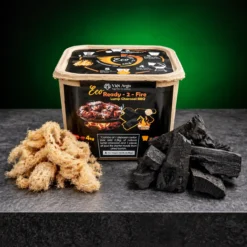
Vietargo offers Khaya Charcoal as an option within its natural wood charcoal range for customers seeking charcoal fuel and commercial supply.
The product may be suitable for BBQ, grilling, restaurant applications, as well as charcoal importing and distribution.
Specific parameters of Vietargo Khaya Charcoal—including dimensions, shape, moisture content, ash content, fixed carbon, calorific value, burning time, and packaging specifications—should be confirmed according to the actual product specifications rather than based on reference values from other products.
Frequently Asked Questions About Khaya Charcoal
What Is Khaya Charcoal?
Khaya Charcoal is charcoal produced from Khaya wood through a carbonization process and belongs to the natural wood charcoal category.
Are Khaya Wood Charcoal and Khaya Lump Charcoal the Same?
Khaya Wood Charcoal describes the charcoal based on its Khaya wood raw material. Khaya Lump Charcoal is more specific and emphasizes that the product is supplied in natural lump form.
Is Natural Khaya Charcoal a Briquette Charcoal?
No. Natural Khaya Charcoal retains the structure of the wood after carbonization, while briquette charcoal is shaped from processed materials.
Can Khaya Charcoal Be Used for BBQ?
Khaya charcoal is currently marketed by many commercial suppliers for BBQ and grilling applications. The appropriate product specifications still depend on the equipment and intended use.
What Should Be Checked Before Importing Khaya Charcoal?
In addition to the raw material, commercial buyers should check charcoal size and shape, moisture content, ash content, fixed carbon, calorific value, burning performance, packaging, and supply conditions.
Find the Right Khaya Charcoal for Your Market
A restaurant looking for charcoal that matches its grilling equipment will have different requirements from a distributor sourcing products for the retail market or an importer purchasing in bulk. If Khaya Charcoal is a product you are considering for your portfolio, discuss your target market, preferred charcoal form, and required specifications with Vietargo to identify a suitable option before placing an order.
VIETARGO – THE BEST CHARCOAL OF THE WORLD TO YOUR SHELF
🌐: Vietargo Website
📱: Vietargo – Facebook
📌: 10 Nguyen Hien Street, 91B Residential Area, Can Tho, Vietnam
☎: 093 980 22 00