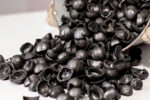
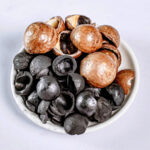
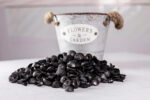
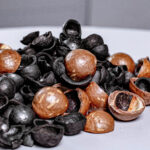
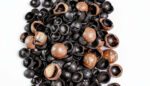
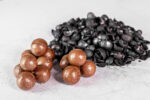
Maccadamia shell charcoal
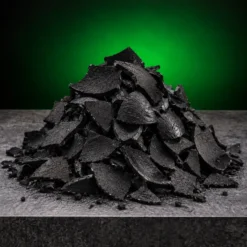
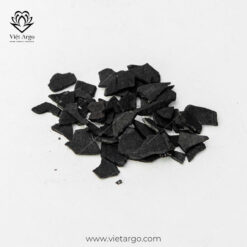
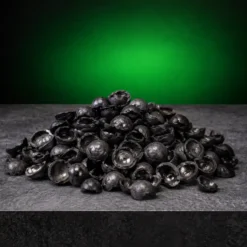
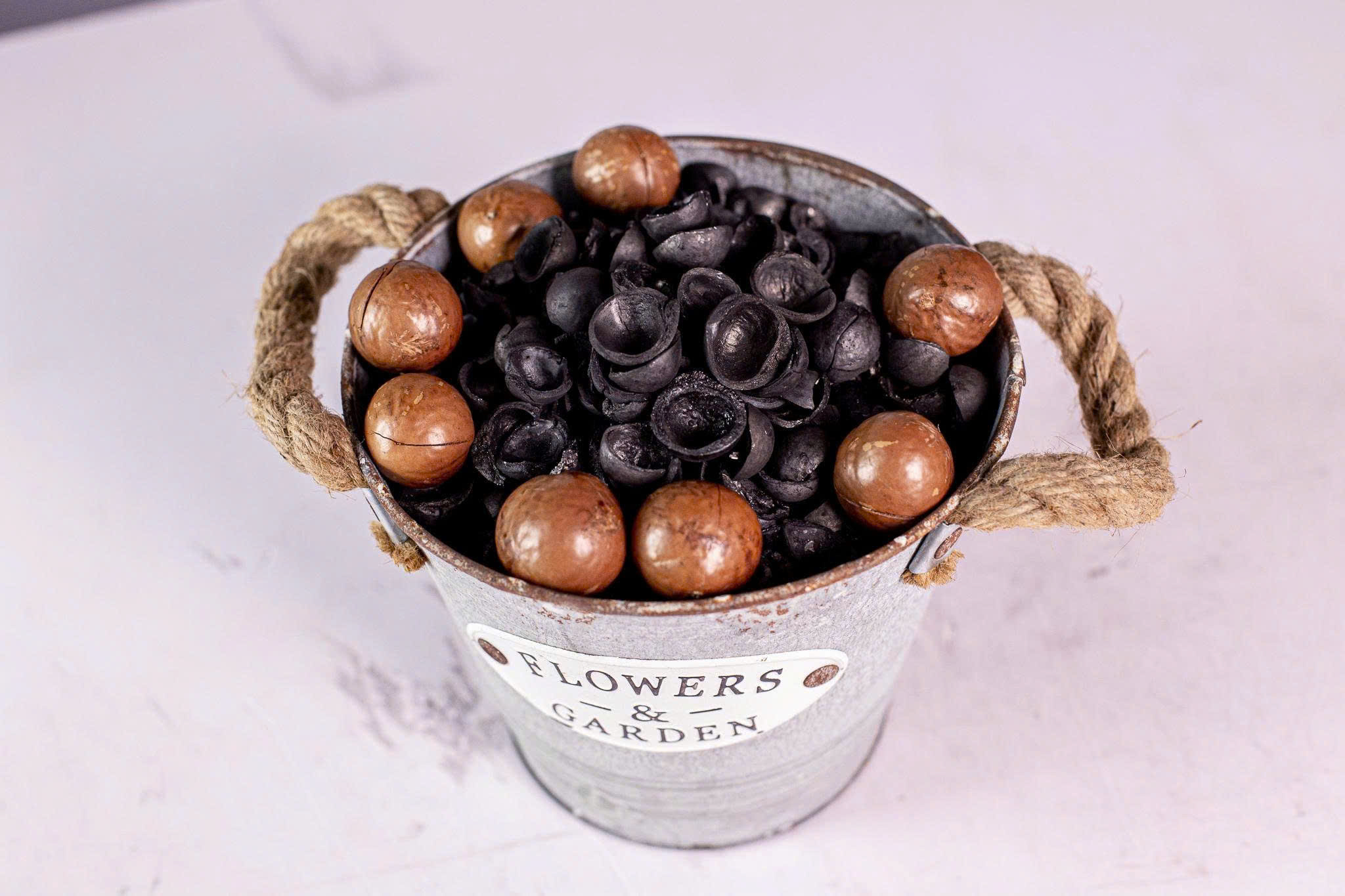
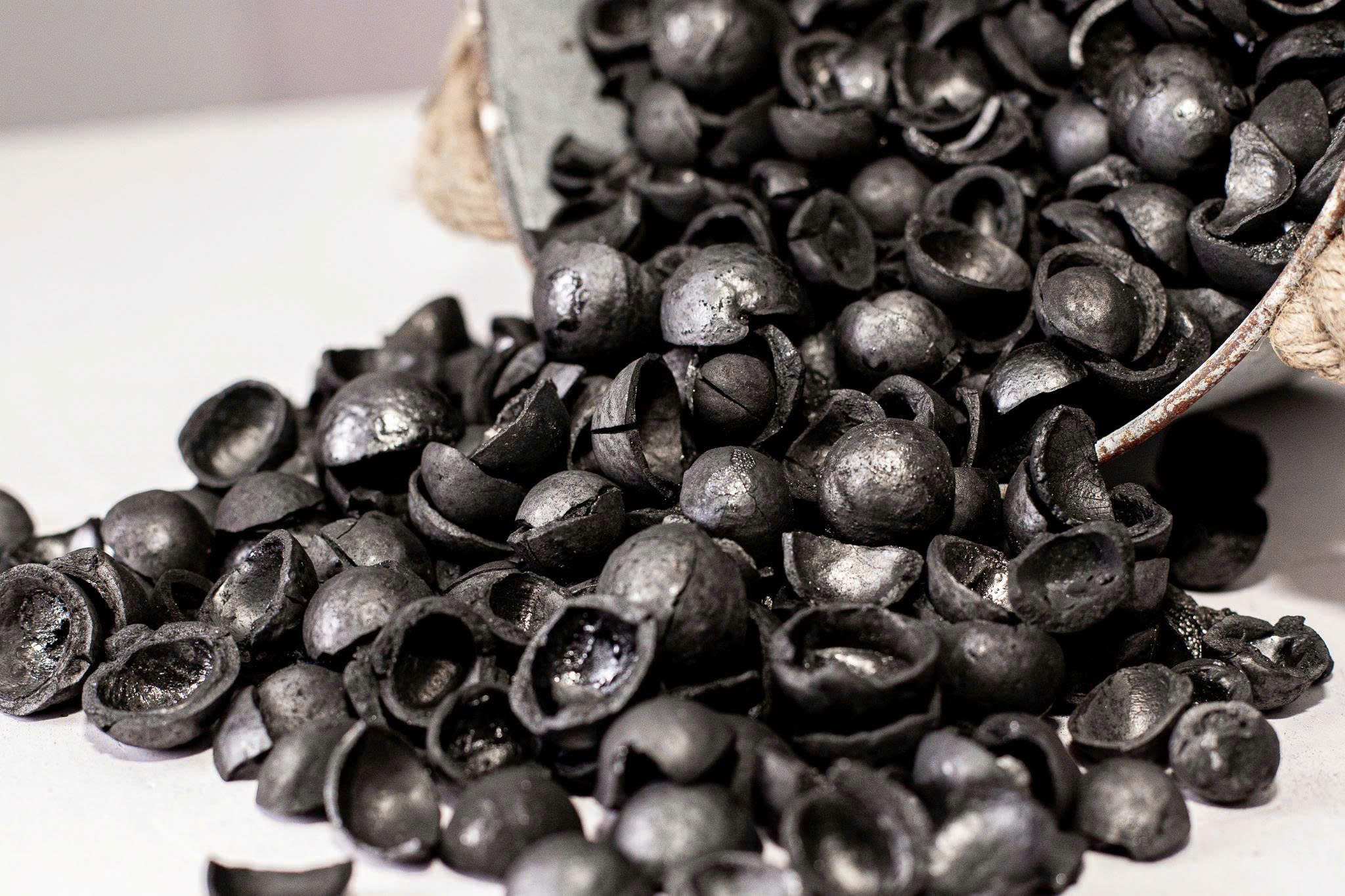
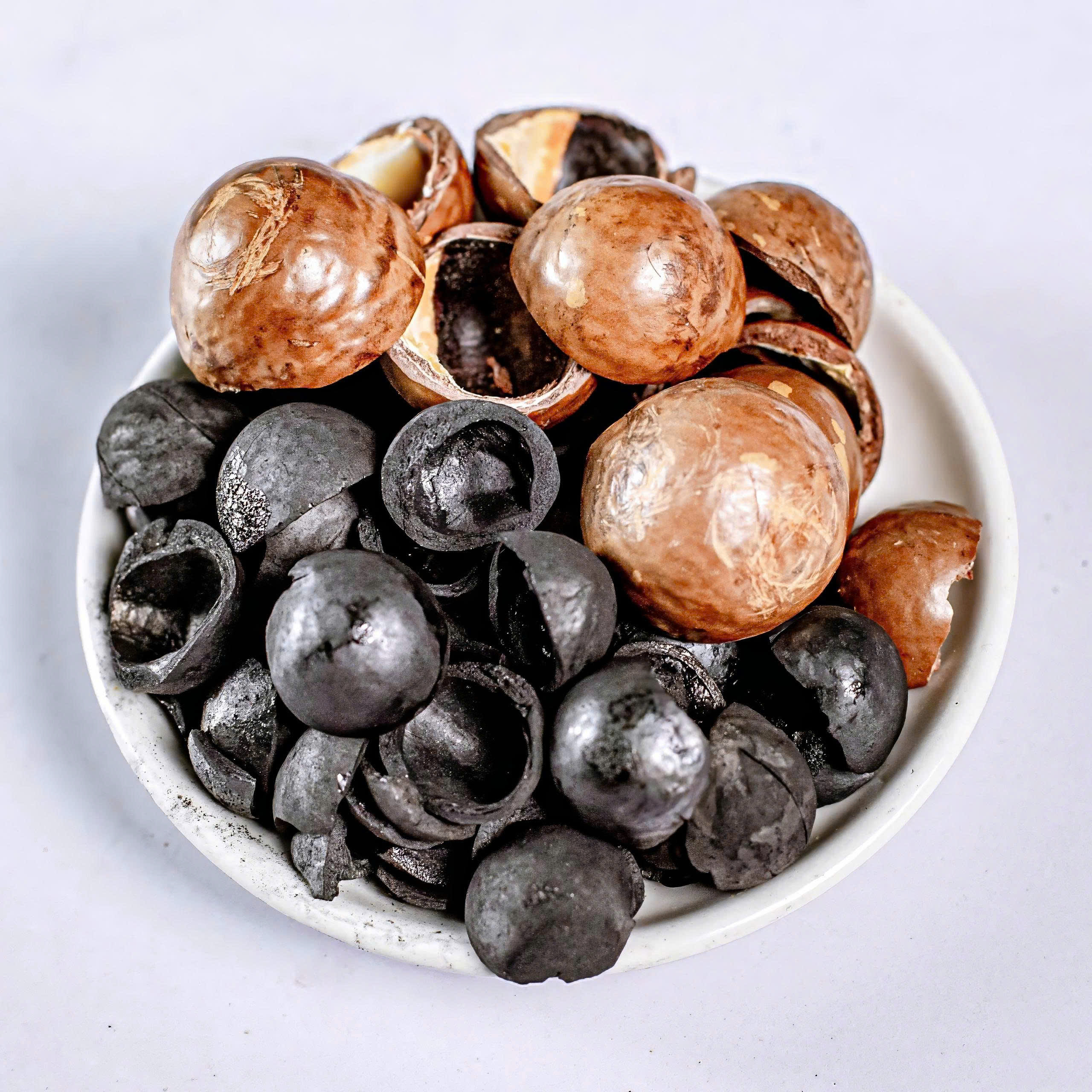
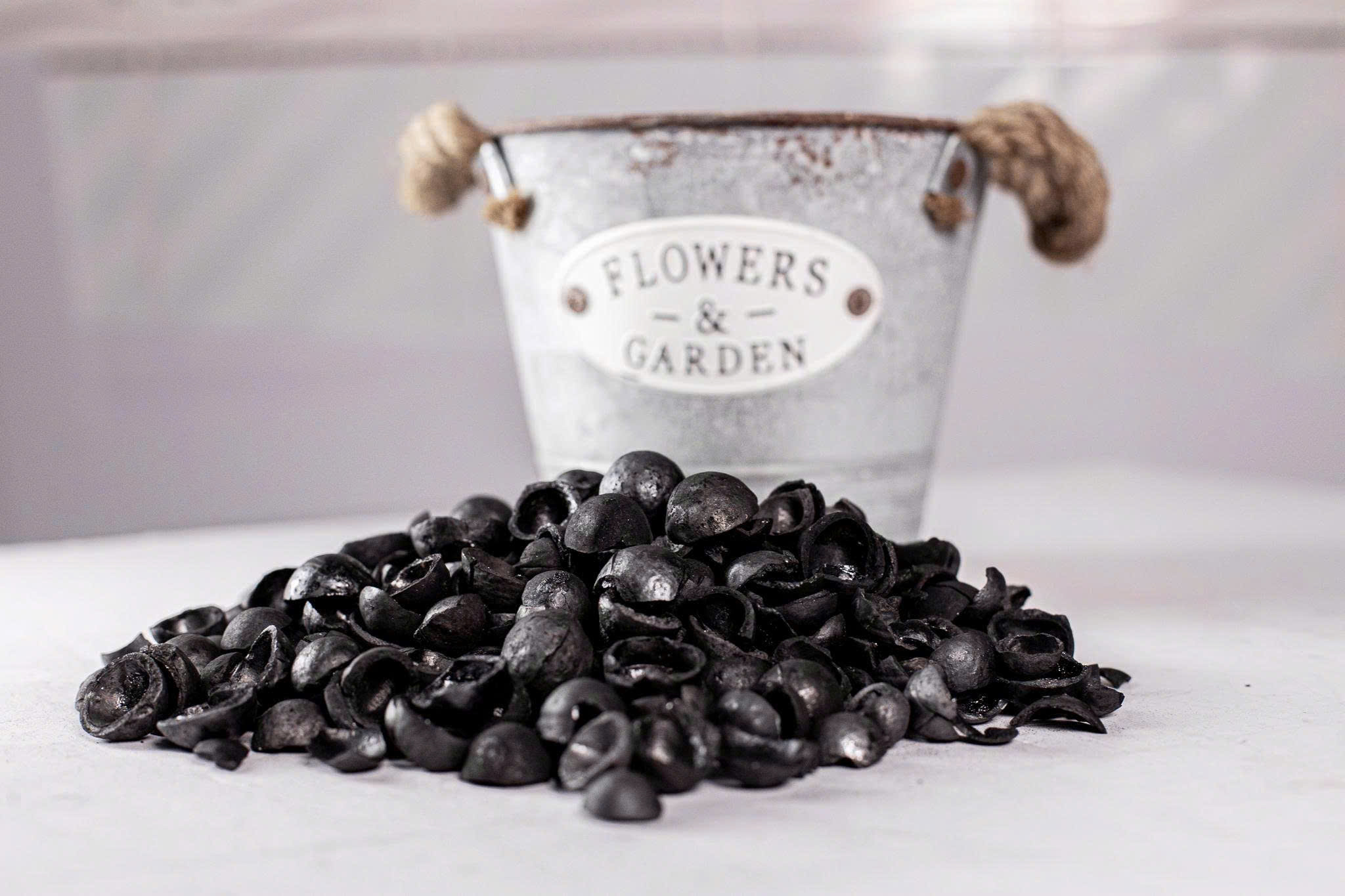
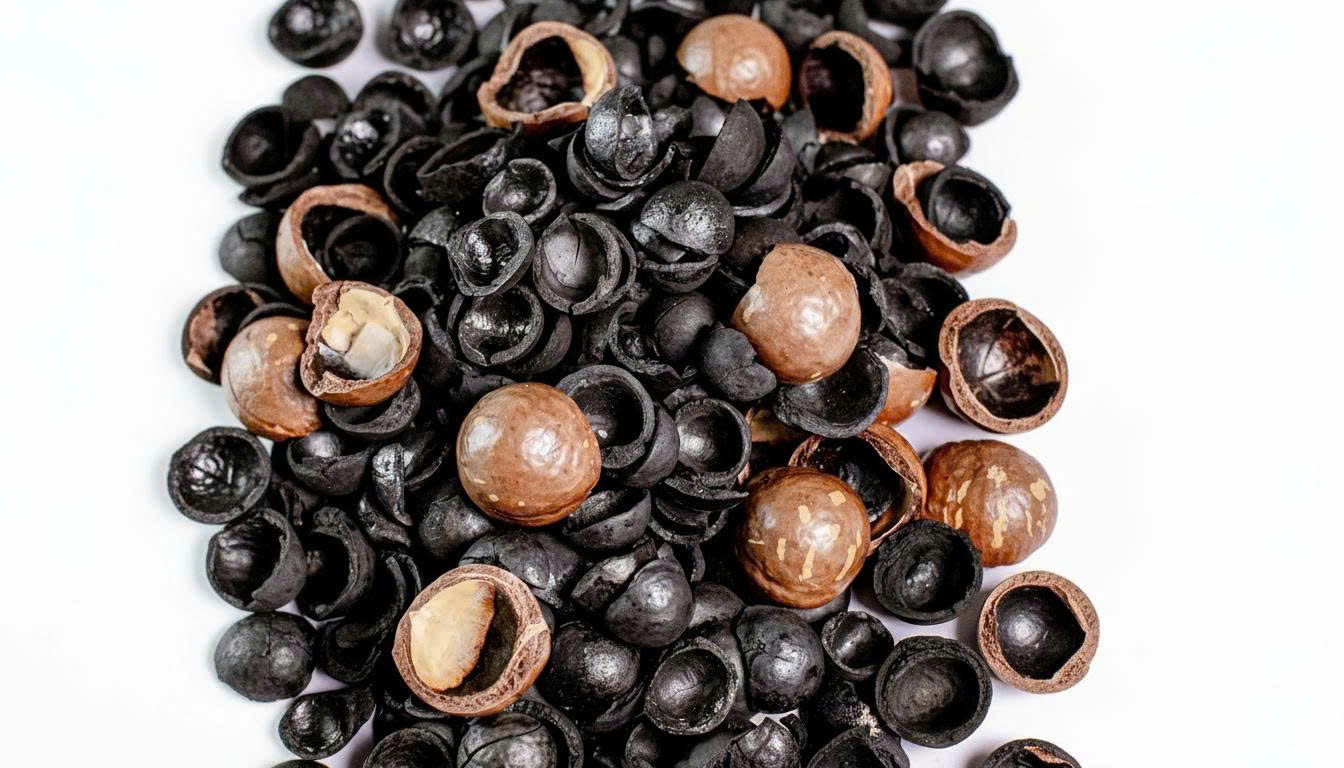
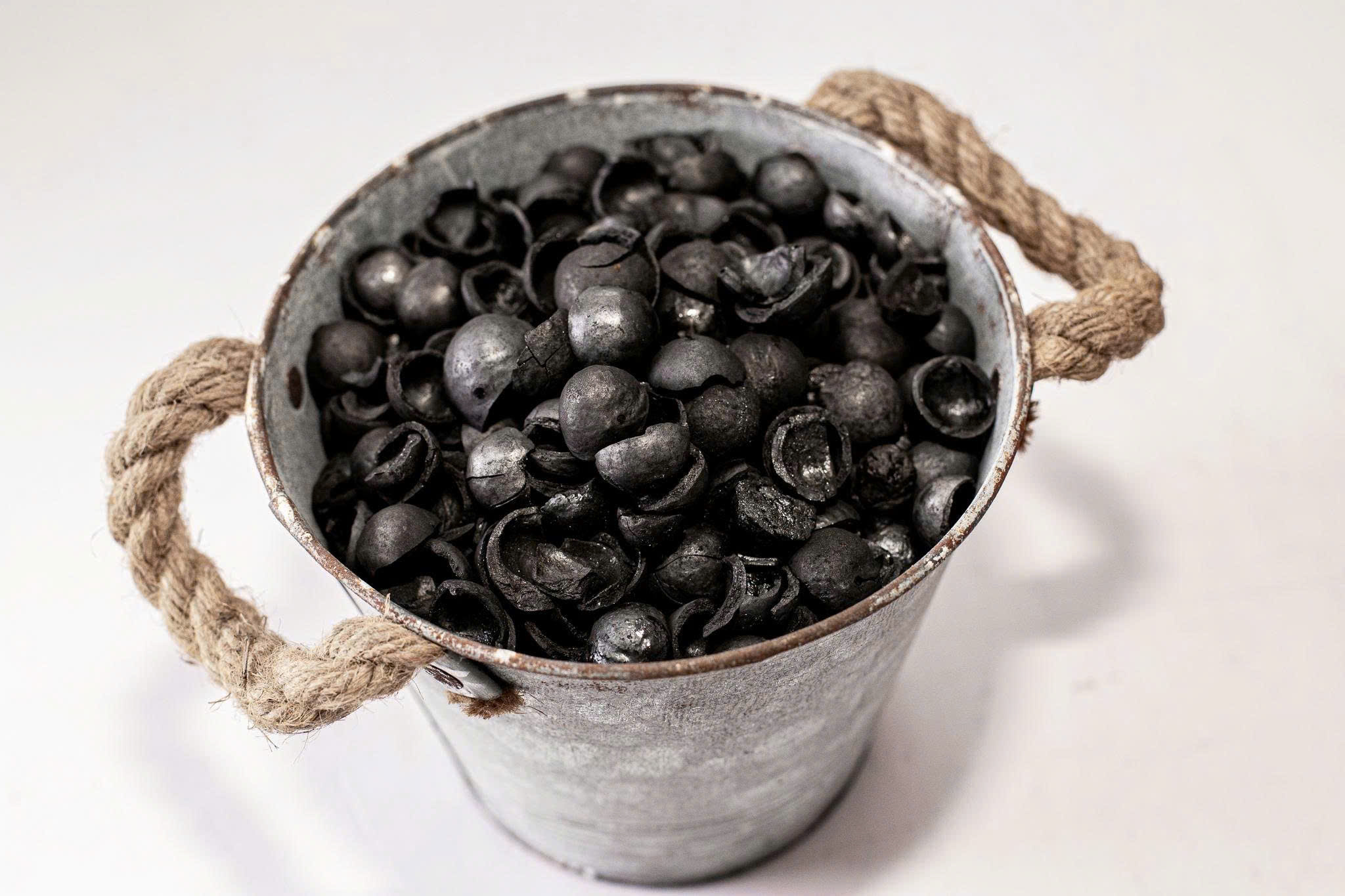
Natural Macadamia Charcoal is a type of charcoal derived from carbonized macadamia nut shells, creating additional value from the shells remaining after nut processing. Macadamia Nut Shell Charcoal can be used in its natural charcoal form or further processed as a raw material for other carbon-based applications. The product is suitable for importers, distributors, and commercial buyers exploring biomass-based charcoal and carbon feedstock supply chains.
Natural Macadamia Charcoal – From Macadamia Shells to a Valuable Carbon Feedstock
Macadamia nuts are widely known for their valuable edible kernels. But after processing, the hard outer shells can begin another journey: being carbonized into charcoal.
Natural Macadamia Charcoal is a type of charcoal derived from macadamia nut shells. Rather than treating the shells simply as a residue from agricultural processing, carbonization creates an opportunity to transform this biomass into a carbon material that can serve different value chains.
For international buyers, this is what makes Macadamia Charcoal an interesting product category: its story begins with agricultural residue but does not necessarily end with a conventional fuel product.
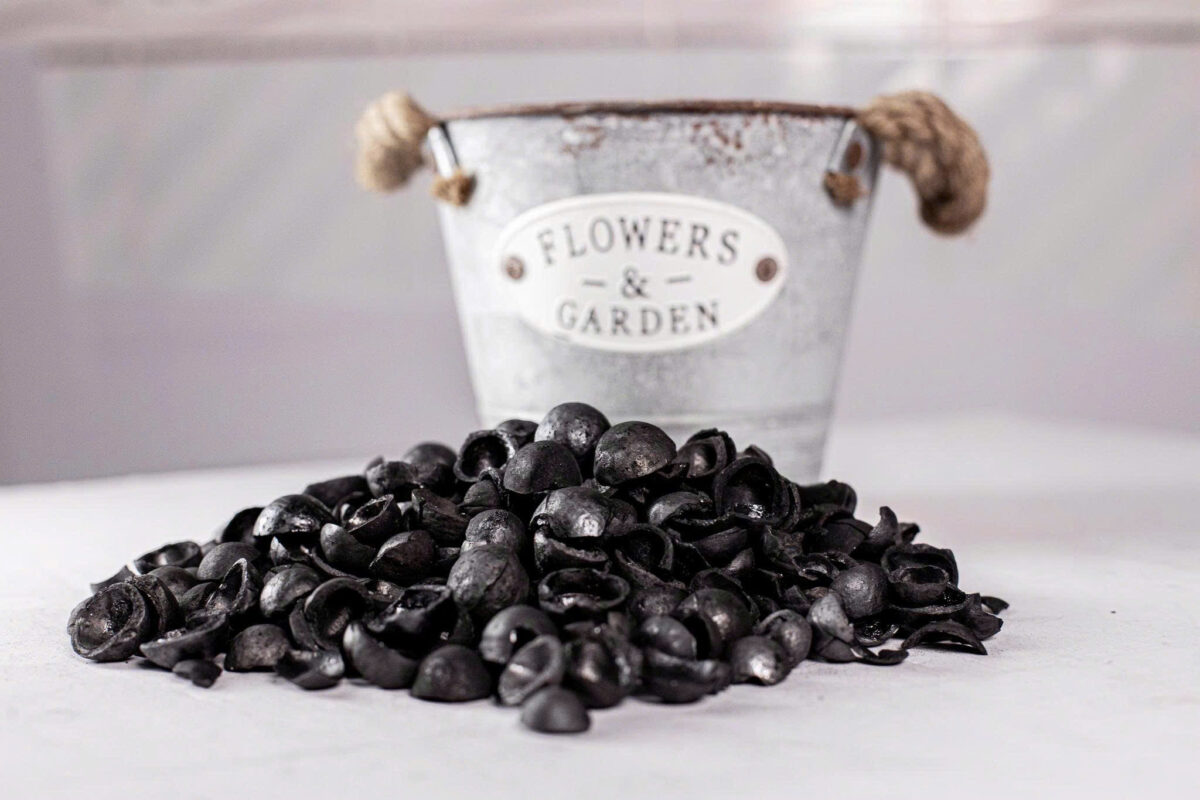
FROM NUT → SHELL → CHARCOAL
The product journey can be understood through a simple process:
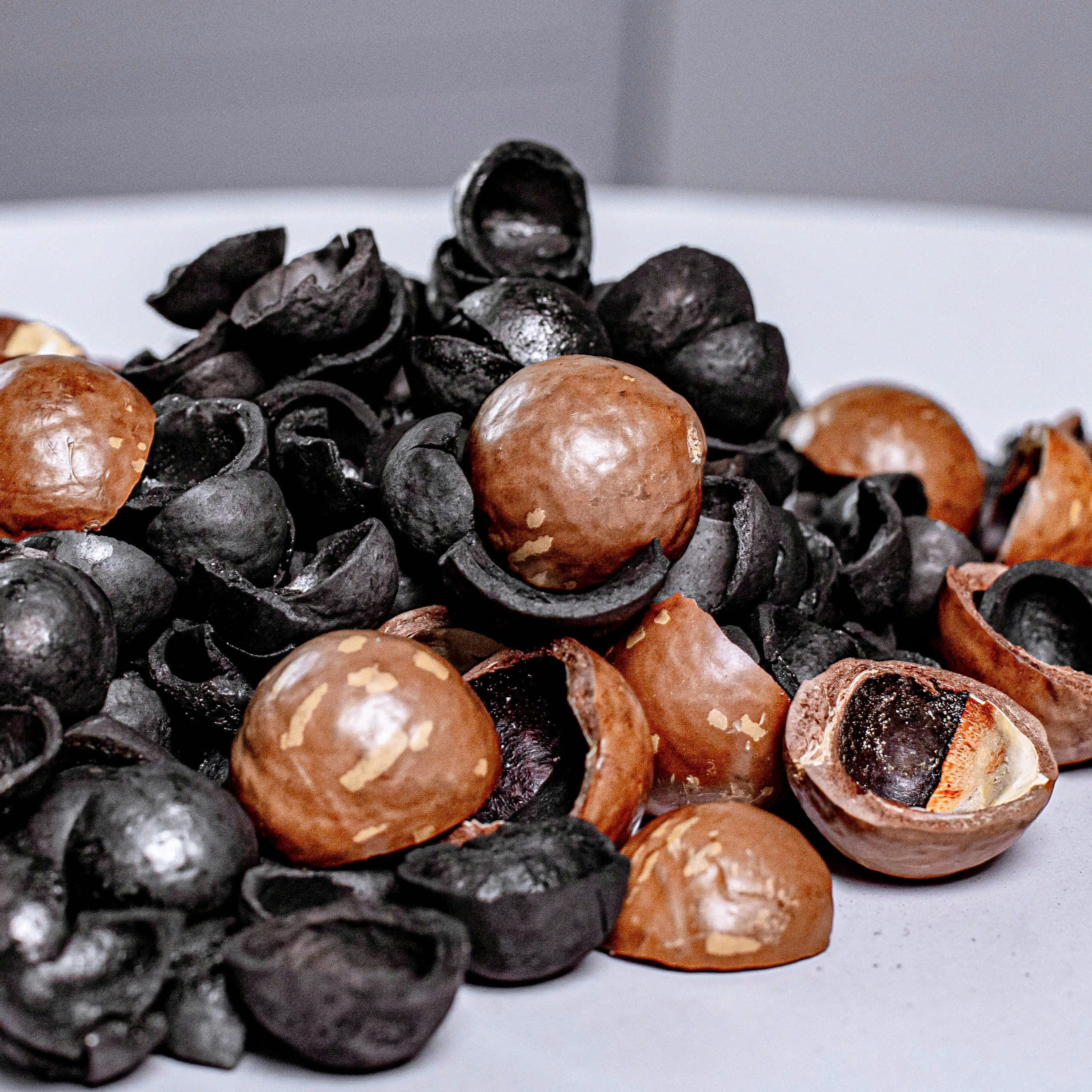
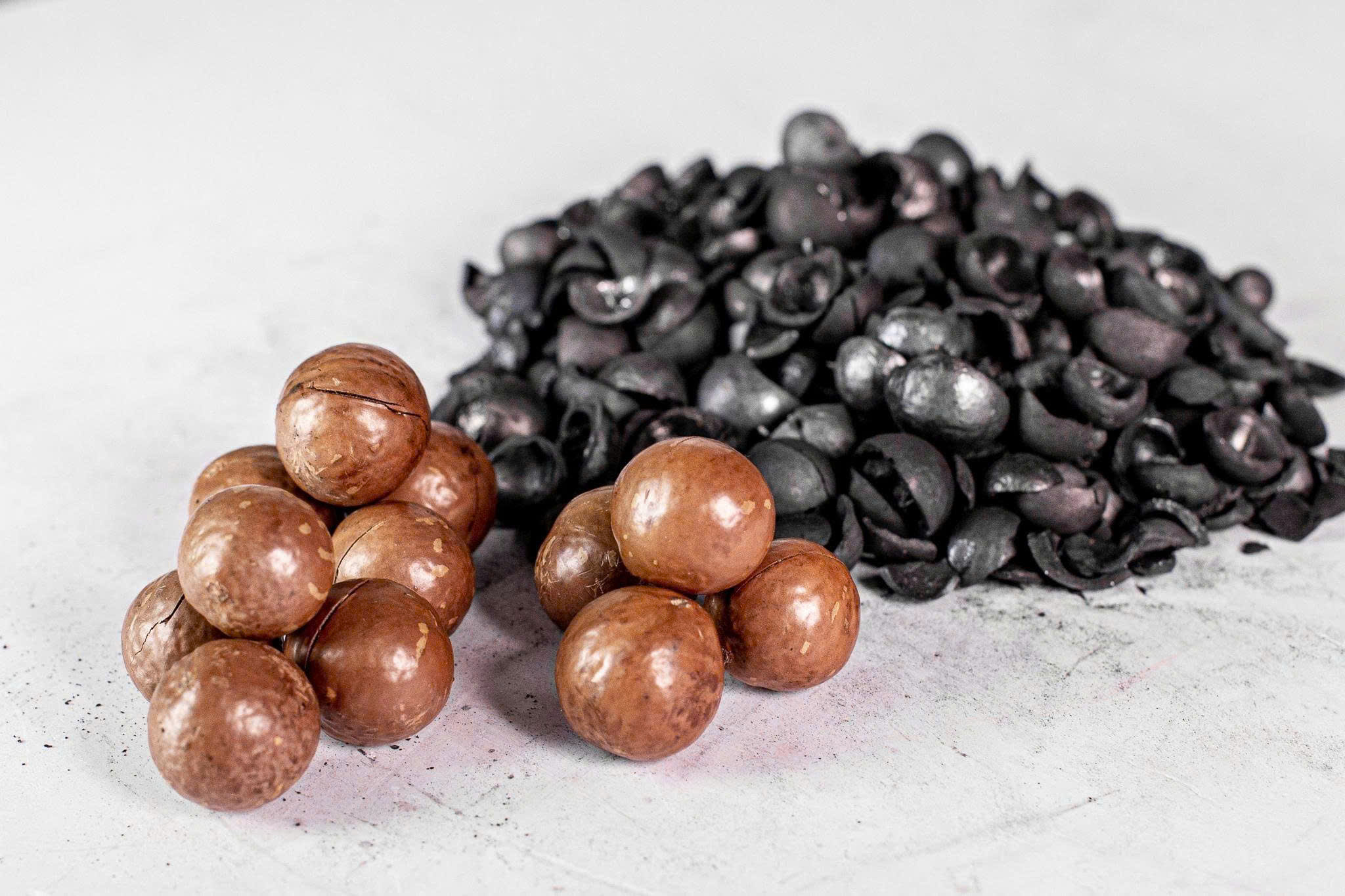
Macadamia Nut → Shell Separation → Carbonization → Macadamia Nut Shell Charcoal
After the macadamia kernel is separated from its hard shell, the shell can be used as a raw material for carbonization. Experimental studies have demonstrated the production of charcoal from macadamia shells and have also explored its potential as a feedstock for further carbon-based products.
An important distinction for buyers is that Natural Macadamia Charcoal and Macadamia Charcoal Briquettes should not be treated as the same product form.
Natural Charcoal or Briquettes?
These two terms may appear closely related in the market, but they represent different stages of processing.
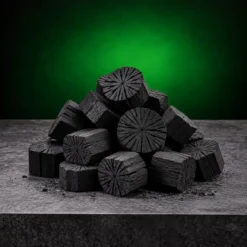
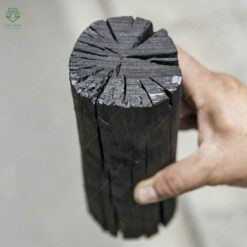
Natural Macadamia Charcoal
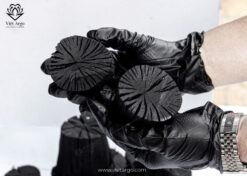
In its natural charcoal form, the structure of the carbonized raw material is retained rather than being ground and compressed into a standardized briquette shape. This is also why Macadamia Nut Shell Charcoal may be considered a feedstock that can undergo further processing depending on its intended application.
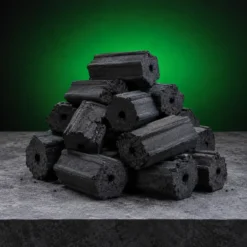
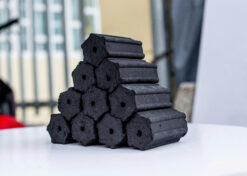
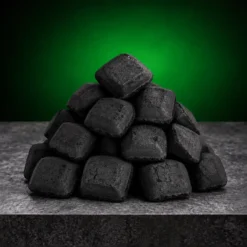
Macadamia Shell Charcoal Briquettes
Charcoal produced from macadamia shells can undergo additional processing to become briquettes. Research has explored carbonizing macadamia shells and subsequently using the resulting charcoal to manufacture charcoal briquettes.
Therefore, when sending a sourcing inquiry, buyers should clearly specify whether they require natural shell charcoal or finished charcoal briquettes. Using only the term “Macadamia Charcoal” may not provide enough information for a supplier to identify the exact product required.
What Makes Macadamia Nut Shell an Interesting Raw Material?
The first distinguishing factor is the origin of the material itself. Macadamia shells remain after nut processing, so converting these shells into charcoal creates an additional use for this biomass resource.
Research into charcoal production from macadamia shells has also identified significant lignin content in the shells and demonstrated their ability to undergo carbonization into charcoal.
From a supply-chain perspective, this creates a different raw-material story from traditional wood charcoal: the carbon source begins with nut-processing residue rather than solely with wood harvested for charcoal production.
For importers or distributors looking to expand a biomass-based charcoal portfolio, this can be a relevant factor when evaluating potential product categories.
More Than One Path After Carbonization
One interesting characteristic of Macadamia Nut Charcoal is the range of pathways the charcoal can take after production.
Natural charcoal can be graded according to the intended commercial application. Macadamia Charcoal Briquettes undergo additional processing and shaping. In another value chain, macadamia shell charcoal has also been studied as a feedstock for activated carbon production.
This makes Macadamia Charcoal noteworthy not only as a fuel product but also as a potential carbon feedstock.
For international buyers, the intended end application should therefore be identified at the beginning of the sourcing process.
Natural Macadamia Charcoal in the B2B Market
An importer sourcing material for further processing will evaluate the product differently from a distributor developing a commercial charcoal portfolio.
A buyer in the activated carbon supply chain may focus on the suitability of the charcoal as feedstock. A briquette manufacturer may evaluate it as an input material for grinding and forming. A distributor, meanwhile, needs to determine which product form best matches its customers and target market.
For this reason, product form + intended application are two essential pieces of information when discussing Natural Macadamia Charcoal.
Macadamia Charcoal in the Vietnamese Market
Macadamia shell charcoal has appeared in commercial offerings from Vietnam for bulk and industrial sourcing, particularly under terms such as Macadamia Nut Shell Charcoal or Vietnam Macadamia Shell Charcoal.
However, buyers should not use the specifications of one supplier as a benchmark for every product available in the market. Raw material preparation, carbonization, grading, and finished-product requirements can vary between sources.
In a B2B transaction, the product name is only the starting point of the sourcing process. The final selection should be based on the actual product and the requirements of the destination market.
A Buyer’s View: Identify the Right Product Before Requesting a Quotation
For Natural Macadamia Charcoal, a clear inquiry should answer three key questions.
What product form do you need?
Natural Macadamia Charcoal or Macadamia Charcoal Briquettes?
What will the product be used for?
Direct use, further processing, briquette manufacturing, or as carbon feedstock?
Which market will the product be supplied to?
The destination market can influence commercial requirements, packaging, and import criteria.
When these three points are established from the beginning, the supplier and buyer can focus on the appropriate product instead of comparing Macadamia Charcoal products with fundamentally different characteristics.
Natural Macadamia Charcoal at Vietargo
Vietargo offers Natural Macadamia Charcoal within its charcoal portfolio for commercial customers and international sourcing.
Derived from macadamia shells, the product provides another option for importers, distributors, and buyers looking for biomass-based charcoal or a carbon source for their supply chains.
When sourcing this product, it is important to clearly define the product form and intended application. This helps buyers distinguish Natural Macadamia Charcoal from Macadamia Shell Charcoal Briquettes and identify the appropriate product category for their actual requirements.
FAQ — Natural Macadamia Charcoal
What Is Natural Macadamia Charcoal?
Natural Macadamia Charcoal is charcoal derived from carbonized macadamia nut shells. Macadamia shells have been studied and practically used as a raw material for charcoal production.
Is Macadamia Nut Shell Charcoal a Briquette?
Not necessarily. Macadamia Nut Shell Charcoal can exist in its carbonized form before undergoing further grinding and shaping. Briquettes represent a product that has gone through additional processing.
Can Macadamia Charcoal Be Made into Briquettes?
Yes. Research into macadamia shell charcoal has shown that charcoal produced from macadamia shells can undergo further processing to manufacture charcoal briquettes.
Can Macadamia Nut Shell Charcoal Be Used as a Raw Material for Activated Carbon?
Yes. Research has explored the use of macadamia nut shell charcoal as a feedstock for activated carbon production through additional processing and activation.
How Should Buyers Distinguish Natural Macadamia Charcoal from Macadamia Charcoal Briquettes?
The simplest distinction is the level of processing. Natural charcoal retains the carbonized raw-material form, while briquettes are produced through additional processing and shaping stages.
From Agricultural Shell to Your Carbon Supply Chain
Natural Macadamia Charcoal tells more than the story of another type of charcoal. It demonstrates how a residue from macadamia processing can enter a new value chain as a commercial carbon material.
If Macadamia Charcoal is part of your company’s sourcing plan, share your required product form, intended application, order volume, and destination market with Vietargo. These details help ensure that the discussion focuses directly on your actual commercial requirements.
VIETARGO – THE BEST CHARCOAL OF THE WORLD TO YOUR SHELF
🌐: Vietargo Website
📱: Vietargo – Facebook
📌: 10 Nguyen Hien Street, 91B Residential Area, Can Tho, Vietnam
☎: 093 980 22 00