

Coconut Shell Charcoal
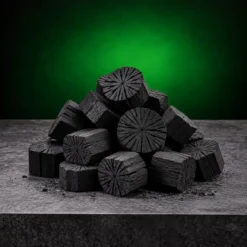
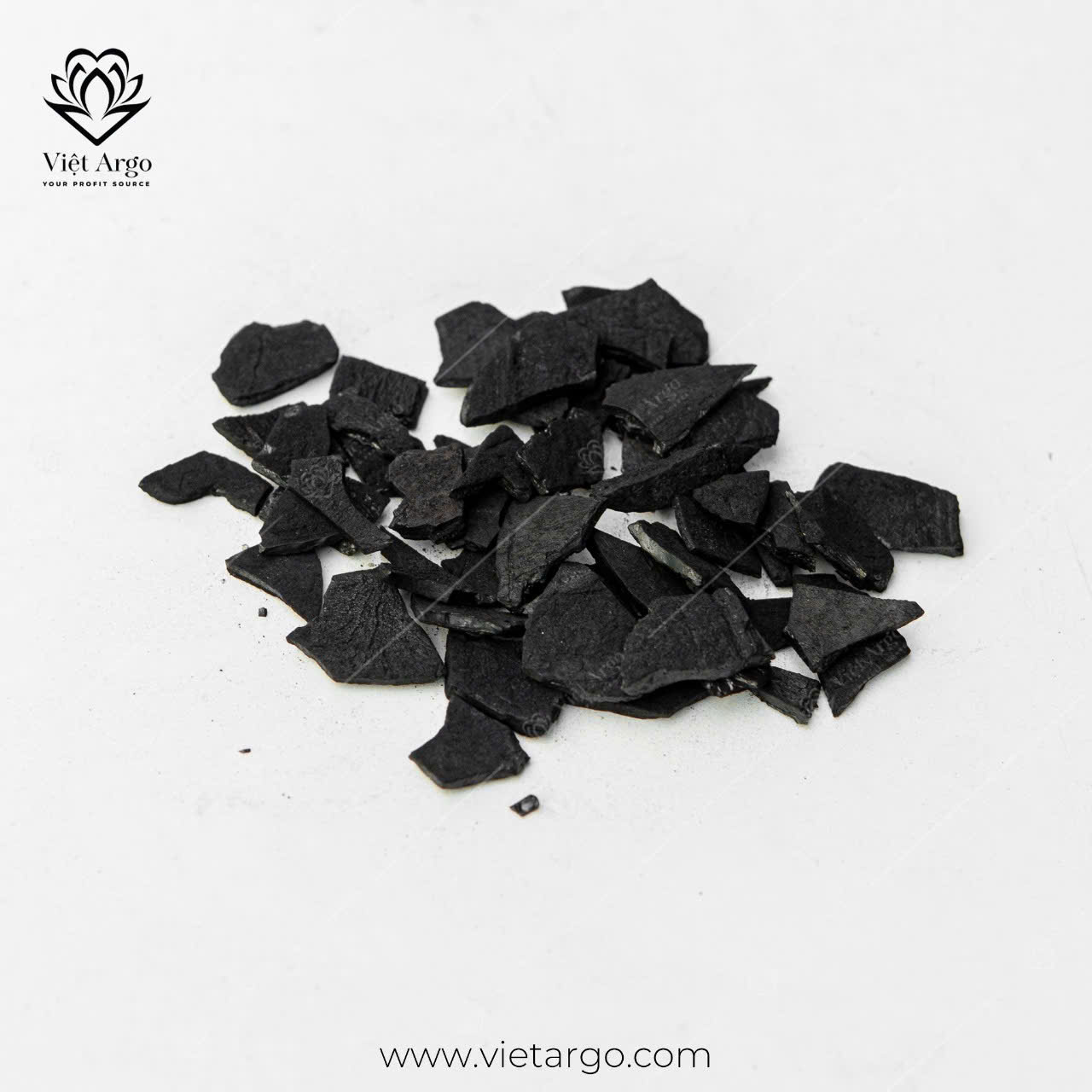
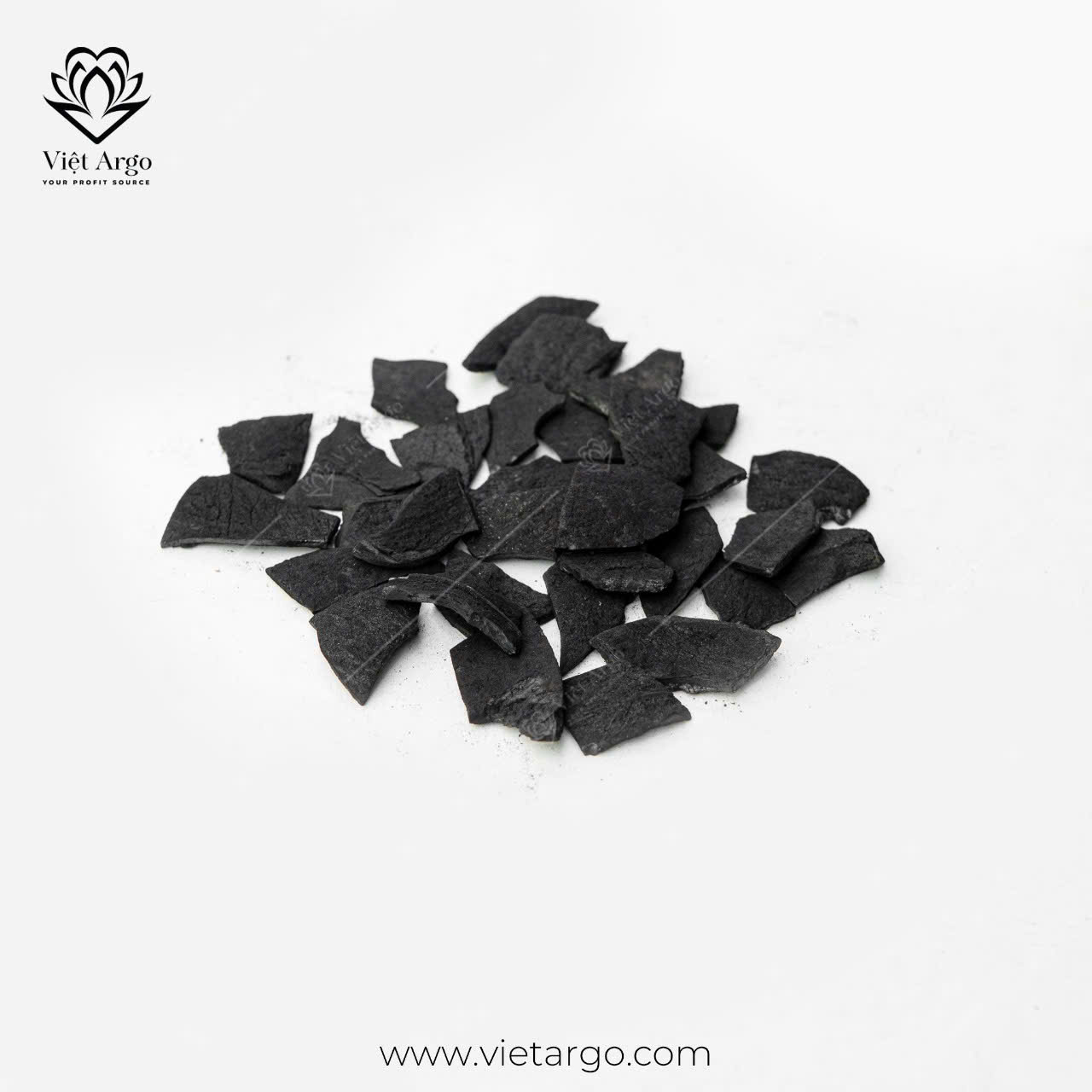
Coconut Shell Charcoal is produced by carbonizing the hard shells of coconuts under limited-oxygen conditions. The resulting charcoal can be used as a raw material or further processed into Coconut Shell Charcoal Briquettes and other carbon-based products. It is suitable for a range of applications, from fuel and further charcoal processing to raw material for specialized carbon applications.
Coconut Shell Charcoal – From Natural Coconut Shells to a Versatile Carbon Material
Coconut Shell Charcoal is a type of charcoal produced by carbonizing the hard shells of coconuts under limited-oxygen conditions. As a by-product of the coconut industry, coconut shells can be converted into a carbon-based material that may be used directly or further processed into a variety of other products.
In today’s market, Coconut Charcoal is used in a wide range of applications, from fuel and the production of Coconut Shell Charcoal Briquettes to feedstock for activated carbon. This diversity makes it important for buyers and importers to clearly understand the product type and intended application before making a purchase.
From Coconut Shells to Coconut Shell Charcoal
After coconut meat and water are extracted, the remaining hard shells can be utilized as raw material for charcoal production.
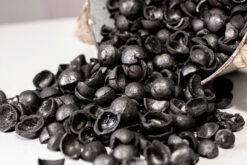
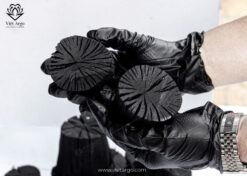
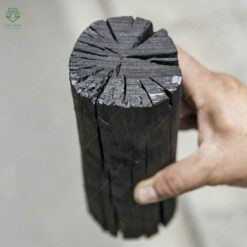
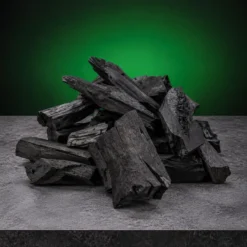
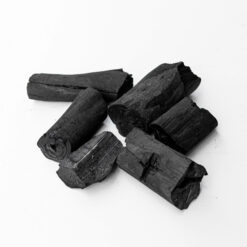
The coconut shells are carbonized in a limited-oxygen environment to produce Coconut Shell Charcoal. In its basic form, the product may retain the natural shape of carbonized shell pieces and does not necessarily undergo grinding, blending, or briquetting.
This distinction is important when sourcing the product because the term “coconut charcoal” may be used in the market for both natural carbonized coconut shell charcoal and briquette products manufactured from coconut shell charcoal.
One Raw Material, Multiple Applications
One of the interesting characteristics of coconut shell charcoal is its potential to serve as a raw material for several downstream products.
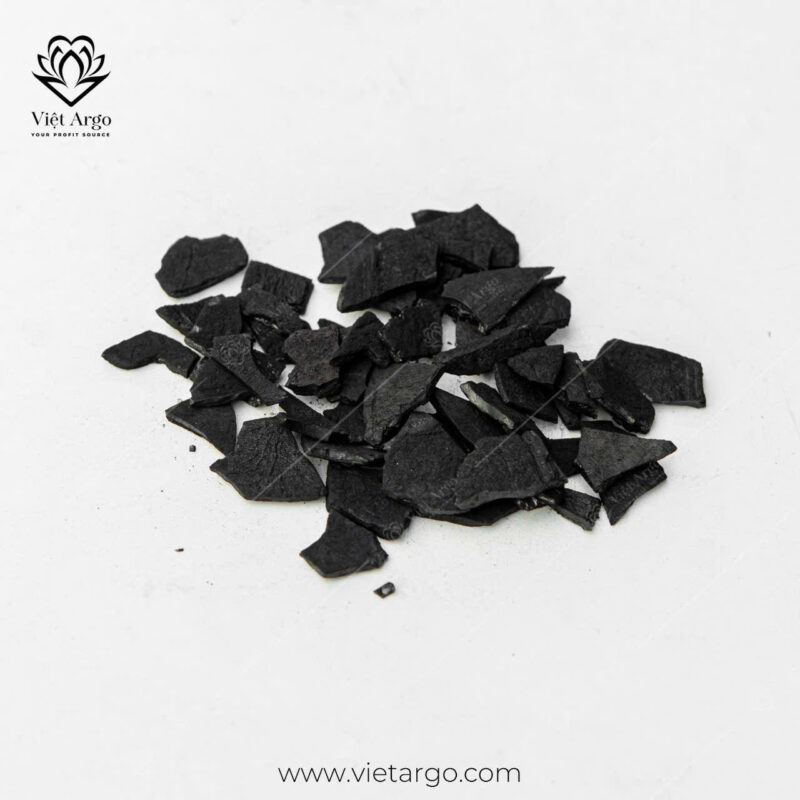
Natural Coconut Shell Charcoal
After carbonization, the charcoal can be screened and classified by size according to the intended application.
Some Vietnamese suppliers currently position this type primarily as a raw material for activated carbon, filtration, purification, or certain industrial heating applications.
Coconut Shell Charcoal Briquettes
Coconut shell charcoal can also undergo further processing to produce Coconut Shell Charcoal Briquettes.
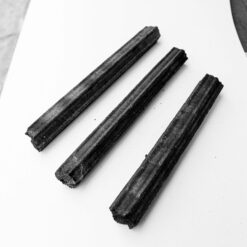
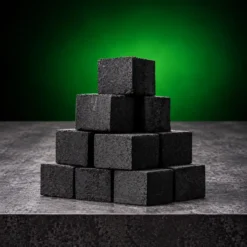
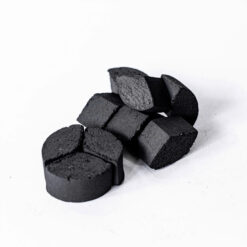
In a common production process, the charcoal is ground and then formed into relatively uniform briquettes or blocks. Depending on the manufacturer and intended application, the finished product may be available in various shapes.
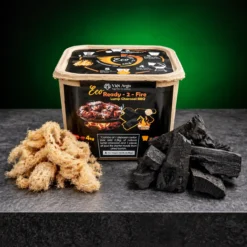
Current market offerings show that coconut charcoal briquettes are widely used for BBQ and shisha/hookah applications.
Raw Material for Activated Carbon
Another important application is activated carbon production.
Suppliers specializing in carbon materials in Vietnam currently offer carbonized coconut shell as a feedstock for activated carbon and applications related to filtration and purification.
This demonstrates that “Coconut Shell Charcoal” is not simply a name for BBQ fuel but also represents a broader category of carbon material with multiple potential applications.
Why Are Coconut Shells Important in the Charcoal Industry?
The hard and dense structure of coconut shells is one of the characteristics that makes this material suitable for charcoal production.
Products in the market are commonly evaluated based on parameters such as:
- Fixed carbon.
- Moisture content.
- Ash content.
- Calorific value.
- Size or shape.
- Burning performance for fuel products.
- Packaging specifications.
However, specifications published by individual suppliers can vary. Therefore, a set of specifications found in the market should not be treated as a default standard for all Coconut Shell Charcoal products.
Are Coconut Shell Charcoal and Coconut Shell Charcoal Briquettes the Same?
This is one of the most common points of confusion for buyers.
Coconut Shell Charcoal may refer to coconut shells that have been carbonized into charcoal while remaining in their natural fragmented form.
Coconut Shell Charcoal Briquettes, on the other hand, generally undergo additional processing and shaping to form relatively uniform briquettes or blocks.
The process can be understood simply as:
Coconut Shell → Carbonization → Coconut Shell Charcoal
The resulting charcoal can then be used according to the intended application or further processed:
Coconut Shell Charcoal → Processing & Briquetting → Coconut Shell Charcoal Briquettes
Therefore, before comparing specifications and quotations, buyers should first determine whether they require raw coconut shell charcoal or finished charcoal briquettes.
When Coconut Charcoal Is Used for BBQ
BBQ represents a major market for appropriately processed coconut shell charcoal products.
Manufacturers currently offer various forms of Coconut Shell Charcoal Briquettes for BBQ, ranging from geometric blocks to other specifications designed for restaurants and end users.
For these products, buyers commonly consider factors such as heat retention, ash, smoke, odor, dimensions, and consistency between individual briquettes.
However, these characteristics should be evaluated according to the specifications of the finished briquette product. Raw Coconut Shell Charcoal should not automatically be assumed to provide the same performance as processed BBQ briquettes.
Vietnam Coconut Shell Charcoal and Its Raw Material Source
Vietnam has a well-developed coconut production and processing industry, with the Mekong Delta serving as an important coconut-growing region.
Suppliers of Vietnam Coconut Shell Charcoal currently offer a range of products, from carbonized coconut shells and lump charcoal to BBQ and shisha briquettes. Some businesses source their raw materials from Ben Tre and other coconut-growing areas in southern Vietnam.
For international customers, origin is only one part of the purchasing decision. Product type, specifications, supply capacity, packaging, and destination-market requirements should still be confirmed for each individual order.
Finding a Coconut Shell Charcoal Supplier: What Should Buyers Ask?
When looking for a Coconut Shell Charcoal Supplier, an effective quotation request should begin by clearly identifying the required product.
Buyers can prepare information such as:
Product Type: Carbonized coconut shell, lump charcoal, or briquettes?
Application: BBQ, briquette production, activated carbon, or another application?
Specifications: Required size, moisture content, ash content, fixed carbon, and other relevant parameters.
Packaging: Preferred packaging type and weight.
Quantity: Trial quantity, recurring supply, or large-volume commercial order.
Destination: Destination country or port where relevant to export shipments.
This approach helps both parties identify the correct product from the beginning rather than discussing “Coconut Charcoal” as a broad category.
Coconut Shell Charcoal at Vietargo
Vietargo supplies Coconut Shell Charcoal for customers looking for charcoal for direct use, further processing, commercial trading, or distribution.
Depending on the intended application, customers may require different product forms, dimensions, specifications, and packaging. Therefore, specific technical information for Vietargo Coconut Shell Charcoal should be confirmed according to the actual product and order requirements.
This is particularly important for international buyers sourcing Vietnam Coconut Shell Charcoal, as the requirements for carbon raw materials, BBQ charcoal, and charcoal briquettes can differ significantly.
FAQ About Coconut Shell Charcoal
What Is Coconut Shell Charcoal?
Coconut Shell Charcoal is charcoal produced by carbonizing the hard shell of coconuts under limited-oxygen conditions.
Is Coconut Charcoal Always a Charcoal Briquette?
No. Coconut Charcoal may exist as carbonized coconut shell pieces or may undergo further processing to produce briquettes and other carbon-based products.
What Is the Difference Between Coconut Shell Charcoal and Coconut Shell Charcoal Briquettes?
Coconut Shell Charcoal may refer to carbonized coconut shell used as a charcoal raw material. Coconut Shell Charcoal Briquettes are processed products in which charcoal is formed into relatively uniform briquettes or blocks.
Can Coconut Shell Charcoal Be Used to Produce Activated Carbon?
Yes. Carbonized coconut shell is used in the market as a raw material for activated carbon production and filtration and purification applications.
How Do I Choose the Right Coconut Shell Charcoal Supplier?
Buyers should clearly provide the required product type, application, specifications, dimensions, packaging, quantity, and destination market so the supplier can identify an appropriate product.
Do You Need Raw Coconut Shell Charcoal or a Processed Product?
Although they may all fall under the term Coconut Shell Charcoal, an activated carbon manufacturer, a fuel distributor, and a buyer sourcing Coconut Shell Charcoal Briquettes may require three completely different sets of specifications. Share your intended application, required product form, specifications, and quantity with Vietargo so the team can discuss the appropriate coconut shell charcoal product with you from the start.
VIETARGO – THE BEST CHARCOAL OF THE WORLD TO YOUR SHELF
🌐: Vietargo Website
📱: Vietargo – Facebook
📌: 10 Nguyen Hien Street, 91B Residential Area, Can Tho, Vietnam
☎: 093 980 22 00